What Is a Starting Block Analyzer?
In the world of athletics, especially track and field, every second counts. One of the most crucial moments in a race is the start. To make the most out of this moment, athletes and coaches use a special tool called the Starting Block Analyzer. This tool helps runners improve their takeoff speed, body position, and reaction time by giving them detailed feedback from their starting blocks.
A Starting Block Analyzer is a modern device that tracks how an athlete pushes off the starting blocks during the beginning of a sprint race. It collects data such as force, speed, angle, and time. This data is then analyzed to find areas where the athlete can improve. It's like having a personal coach that tells you exactly what to fix.
With the help of this device, even small adjustments in foot pressure, body lean, or timing can lead to big improvements. It is especially useful in short-distance races like the 100m, 200m, and 400m dashes, where the start can make or break the entire race.
In this article, we will explain everything about the Starting Block Analyzer, how it works, and how it benefits athletes. We’ll break it down into simple, easy-to-understand sections. Whether you're a professional sprinter, a coach, or a curious beginner, this guide will give you a full understanding of the Starting Block Analyzer.
How Starting Block Analyzer Works
The Starting Block Analyzer is a smart device that sits under the starting blocks. It has sensors that collect data every time a runner starts a sprint. These sensors can measure how much force is applied by each foot, how fast the athlete pushes off, and even the direction of the force.
Once the athlete performs a start, the analyzer sends the collected data to a computer or mobile device. Coaches and athletes can then look at this data in the form of graphs, numbers, or charts. This makes it easy to spot problems like uneven foot pressure or slow reaction time.
Most analyzers come with wireless features and real-time tracking. That means you can instantly see the results right after a sprint. Some high-end versions also come with video syncing, where you can watch your sprint and match it with the data.
This smart tool is used by athletes at all levels — from high school runners to Olympic champions. The main aim is to give the athlete a technical advantage by improving the quality of their starts.
One of the best parts is that it's very accurate. It records information in milliseconds, so even the tiniest delay or mistake can be caught and fixed. This is especially helpful in training where repetition and correction matter the most.
By using a Starting Block Analyzer, runners don’t just rely on how they feel during the start. They use real data to train smarter and perform better.
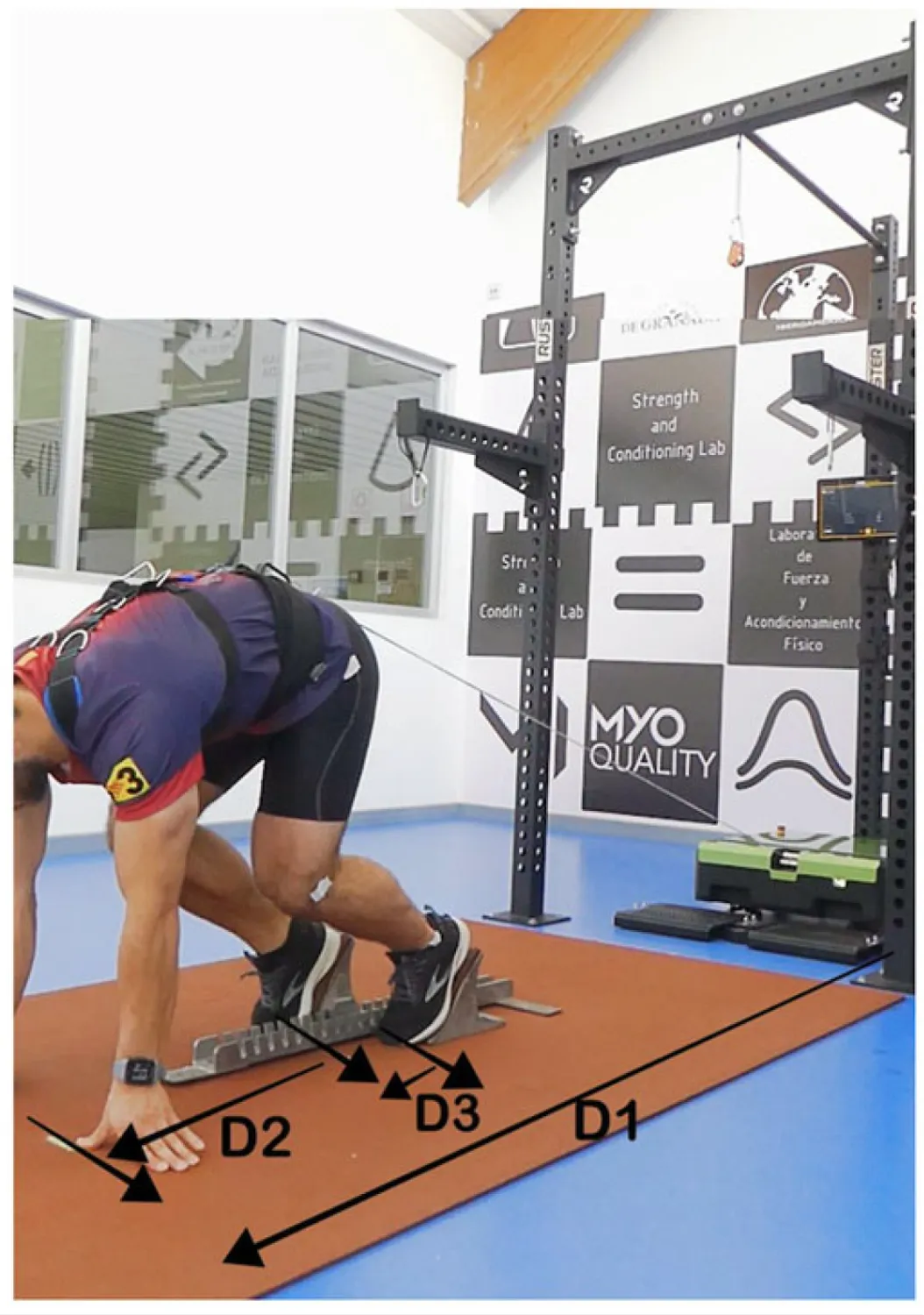
Key Benefits for Track Athletes
Using a Starting Block Analyzer offers many benefits, especially for sprinters. It gives athletes and coaches clear and useful information to improve performance. Here are some major benefits:
1. Improved Reaction Time:
The analyzer can tell how fast the athlete reacts to the starting gun. If there's a delay, it will show in the data. This allows the athlete to work specifically on reacting faster, which is critical in short-distance races.
2. Balanced Foot Pressure:
Often, athletes push harder with one foot than the other. The analyzer can detect this and suggest changes. Balanced pressure means a stronger, faster, and more stable start.
3. Correct Body Positioning:
Body angle and lean at the moment of the push-off play a big role in momentum. The analyzer helps in identifying poor angles and suggests better techniques.
4. Performance Tracking Over Time:
With each use, data can be saved. This helps in comparing past performances and seeing whether improvements are being made.
5. Injury Prevention:
Incorrect technique can cause injuries over time. A Starting Block Analyzer highlights these issues early, allowing corrections before injuries happen.
6. Motivation and Confidence Boost:
When athletes see real improvements through data, it boosts their confidence. It shows their hard work is paying off.
7. Coaching Made Easier:
Coaches don’t need to guess what went wrong. The data provides facts that help create personalized training plans.
So, using a Starting Block Analyzer doesn’t just make training smarter—it makes the athlete faster, stronger, and safer.
Components of the Analyzer System
The Starting Block Analyzer is made up of different parts that work together. Each component plays a special role in collecting and analyzing sprint data. Let’s understand what these parts are:
1. Sensor-Embedded Starting Blocks:
These look like regular starting blocks but are fitted with high-tech pressure sensors. They measure how much force each foot applies when pushing off.
2. Data Logger or Transmitter:
This device collects the data from the sensors and sends it to the computer or mobile app. In wireless systems, this is done through Bluetooth or Wi-Fi.
3. Software Dashboard or Mobile App:
The data is displayed through a user-friendly software program. Here, athletes and coaches can see force graphs, timing charts, and performance summaries. Some apps also allow you to set goals and track progress.
4. Video Integration (Optional):
Advanced systems offer a camera setup that records the sprint. The video can be synced with data for better visual feedback.
5. Battery and Charging System:
Most modern analyzers run on rechargeable batteries. They usually last several hours and can be charged using USB or charging docks.
6. Carrying Case:
To make it portable, the full kit comes in a strong case. This is helpful for athletes and coaches who travel for training or competitions.
All these parts work together to give you a full picture of your start. The Starting Block Analyzer is easy to set up and use. You don’t need to be a tech expert. Most systems offer simple step-by-step guides.
Thanks to these components, the analyzer becomes a powerful tool that helps runners perfect their starts and perform better in races.
Using Analyzer in Training Routines
Including the Starting Block Analyzer in daily training is one of the smartest moves for sprinters. Here’s how to do it:
1. Warm-up First:
Start with your regular warm-up routine. Don’t jump into analyzing until your muscles are ready and flexible.
2. Set Up the Analyzer:
Place the sensor blocks at the starting line. Make sure they’re connected to the device (usually a laptop, tablet, or smartphone).
3. Take a Trial Start:
Perform a sprint start like you normally would. Try to do it the same way every time to get accurate data.
4. Review Data After Each Start:
Check your data after every sprint. Focus on areas such as left vs. right foot pressure, push-off speed, and reaction time.
5. Make Small Adjustments:
Based on the results, change your foot angle, body lean, or arm motion. Then test again. This is where you learn the most.
6. Repeat and Track Progress:
Use the analyzer every few days to track your improvements. Keep a log of your best starts and aim to beat them.
7. Combine With Video Feedback:
If available, record your starts. Watching yourself while checking the data makes it easier to fix problems.
Using the Starting Block Analyzer regularly builds better habits. Over time, these habits become second nature. Athletes who use this method often find themselves ahead of their competition.
It turns training into a science-backed journey where every second is improved with purpose.
Best Practices for Maximum Results
To get the most out of a Starting Block Analyzer, athletes and coaches should follow a few best practices. These simple tips can make a big difference in how effective the analyzer becomes:
1. Use It Consistently:
The more you use the analyzer, the better your results. Don’t just use it once a month—include it in weekly training routines.
2. Compare Multiple Starts:
Don’t rely on just one sprint for analysis. Try at least 5 starts in each session and compare them to find patterns.
3. Focus on One Metric at a Time:
If you try to fix everything at once, it gets confusing. Work on one issue first, like reaction time. Once that improves, move to the next.
4. Pair It With Professional Coaching:
The device gives data, but a good coach helps interpret it. Together, they create a powerful team for improvement.
5. Stay Patient and Disciplined:
Progress takes time. Use the analyzer as a tool, not a shortcut. Trust the process and you’ll see results.
6. Keep Records:
Store your performance records in a notebook or digital folder. This helps you stay motivated and track long-term growth.
7. Train Under Real Conditions:
Use the analyzer at actual race locations and times. This prepares you for real competition and avoids surprises.
These best practices make sure you use the Starting Block Analyzer the right way. It’s not just about having the tool—it’s about using it smartly.
Choosing the Right Analyzer Tool
There are many types of Starting Block Analyzers on the market. Picking the right one depends on your needs, goals, and budget. Here are some things to look for:
1. Accuracy of Data:
Make sure the tool gives highly accurate results. Look for sensors that measure in milliseconds and detect detailed pressure points.
2. Wireless vs. Wired:
Wireless options are easier to use and carry around. If you train outdoors often, a wireless system is more practical.
3. User-Friendly Software:
The software or app should be simple to understand. You should be able to view results in graphs, charts, or simple dashboards.
4. Portability and Durability:
Choose an analyzer that comes with a strong case and lasts in all weather conditions. Training isn’t always indoors.
5. Battery Life:
A long battery life is helpful for longer training sessions. Some analyzers even offer fast charging.
6. Price and Value:
Expensive doesn’t always mean better. Compare features and check reviews. Pick the one that gives good value for the money.
7. Customer Support and Warranty:
Choose a brand that offers technical help and a solid warranty. You don’t want your device to stop working without support.
By choosing the right Starting Block Analyzer, you make sure your training gets better without wasting money or time.
Conclusion: Why Every Sprinter Needs It
The Starting Block Analyzer is not just a tool—it’s a game-changer in the world of sprint training. It gives athletes real-time data, tracks their performance, and helps them improve with scientific accuracy. Whether you're an amateur runner or a professional athlete, this device brings major improvements to your start.
With regular use, sprinters can expect faster reaction times, better technique, and more confidence. Coaches also get the advantage of accurate information to guide their athletes.
In short, investing in a Starting Block Analyzer means investing in better performance, reduced injury, and a greater chance of winning races.
Frequently Asked Questions (FAQs)
Q1: What is a Starting Block Analyzer used for?
A: It’s used to measure and analyze a sprinter’s start to improve performance and technique.
Q2: Who can use the Starting Block Analyzer?
A: It’s useful for athletes of all levels, from beginners to professionals.