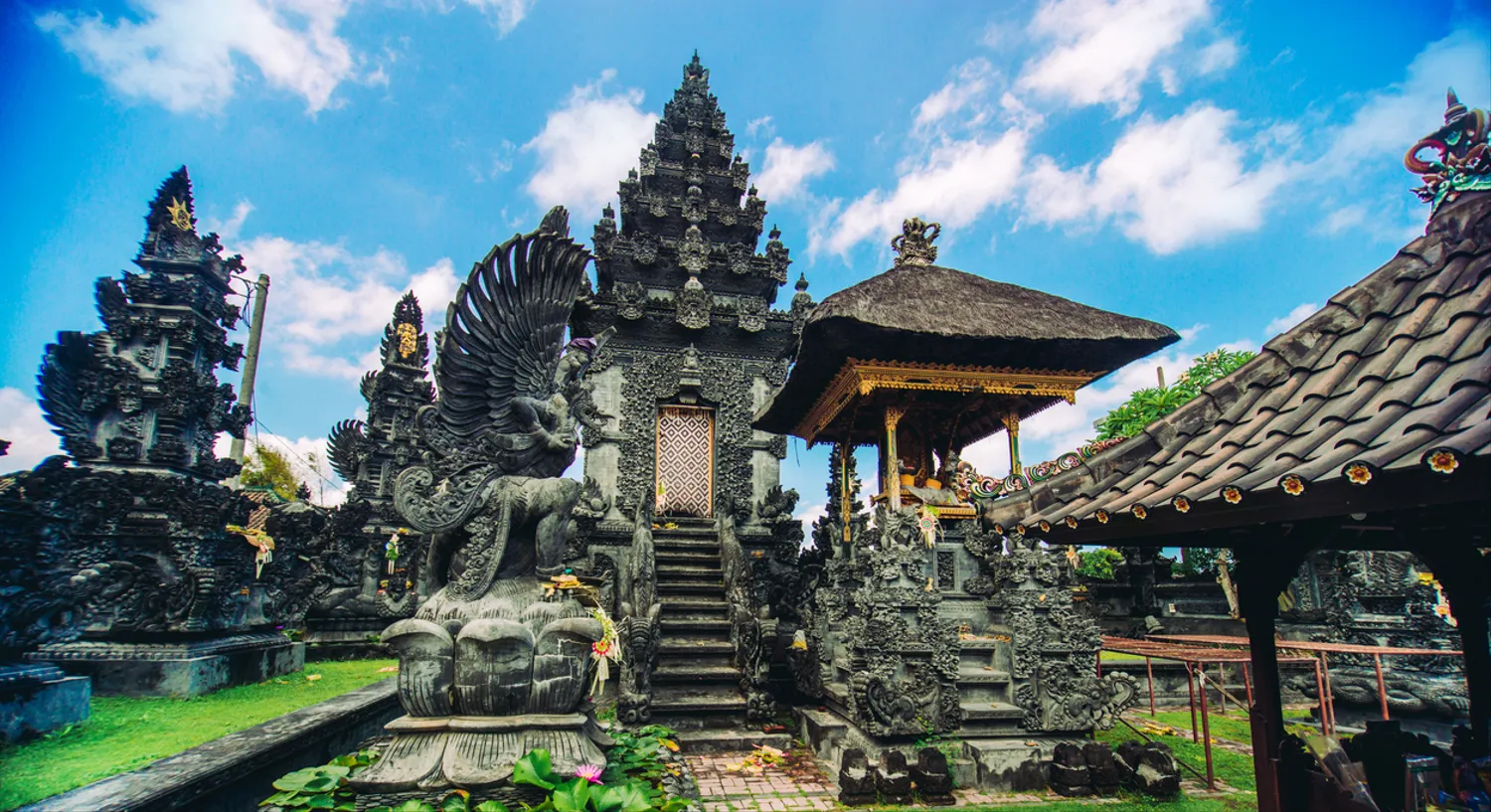
Pura Besakih, commonly known as Besakih Temple, stands majestically on the southwestern slopes of Mount Agung, Bali's highest volcano. Revered as the holiest and largest temple complex on the island, it is often referred to as the "Mother Temple of Bali." This sprawling sanctuary is not just a single temple but a complex of 23 separate temples, each with its own significance, all harmoniously integrated into the natural landscape.
For those interested in exploring more about temples around the world, TempleWiki offers a comprehensive guide to these sacred sites.
Historical Background
The origins of Besakih Temple trace back over a thousand years. Historical records suggest that its initial construction began around the 8th century by a Hindu sage named Rsi Markandeya. Legend has it that he received divine inspiration to build a sanctuary at this auspicious location after surviving a near-fatal expedition.
Throughout the centuries, Besakih has been a spiritual epicenter for Balinese Hinduism. It has withstood volcanic eruptions, most notably in 1963 when lava flows narrowly missed the temple complex—a phenomenon many locals regard as a miraculous sign of divine protection.
Architectural Marvel
Layout and Structure
Besakih Temple's architectural design is a testament to Balinese artistry and religious devotion. The complex is terraced up the mountainside, symbolizing the seven layers of the universe in Hindu cosmology. Each terrace hosts a series of meru (multi-tiered shrines), pavilions, and courtyards, intricately decorated with stone carvings and gold leaf.
Key Temples within the Complex
- Pura Penataran Agung: The largest and most important temple, dedicated to the Hindu trinity—Brahma, Vishnu, and Shiva.
- Pura Batu Madeg: Houses a central stone believed to be a site of divine presence.
- Pura Kiduling Kreteg: Known for its unique rituals and ceremonies.
Religious Significance
Besakih Temple serves as the primary site for major religious festivals and ceremonies in Bali. It is the focal point for rituals that align with the Panca Wali Krama (a purification ceremony held every ten years) and the Eka Dasa Rudra (a grand ceremony held every 100 years to restore universal balance).
The temple embodies the Balinese concept of Tri Hita Karana, which translates to the three causes of well-being: harmony with God, harmony among people, and harmony with nature. This philosophy is evident in the temple's integration with its natural surroundings and its role in community life.
Festivals and Ceremonies
Throughout the Balinese calendar, Besakih Temple is alive with activity:
- Odalan Festival: Celebrated every 210 days, marking the temple's anniversary with offerings, dances, and processions.
- Galungan and Kuningan: Commemorating the victory of dharma (good) over adharma (evil), these festivals feature elaborate decorations and communal feasts.
- Nyepi Eve Rituals: Preparations for the Day of Silence include purification ceremonies at Besakih.
Tourism and Visitor Experience
Besakih Temple attracts thousands of visitors annually, both pilgrims and tourists. The experience offers a glimpse into Balinese spirituality and cultural practices. Visitors are required to wear sarongs and sashes as a sign of respect, which are often available for rent or purchase near the entrance.
Tips for Visitors
- Guided Tours: Hiring a local guide can enrich the experience by providing historical context and explaining religious practices.
- Photography: Allowed in most areas, but it's respectful to ask permission when photographing ceremonies or local worshippers.
- Best Time to Visit: Early mornings or during festivals, keeping in mind that certain areas may be restricted during rituals.
For more travel tips and detailed information on temple etiquette, TempleWiki offers valuable resources.
Conservation Efforts
Preserving Besakih Temple is a priority for both the Indonesian government and international organizations. Efforts include:
- Restoration Projects: Ongoing maintenance of ancient structures to prevent deterioration.
- Cultural Preservation: Programs aimed at sustaining traditional rituals and passing knowledge to younger generations.
- Environmental Protection: Initiatives to safeguard the surrounding ecosystem of Mount Agung, recognizing its spiritual and ecological importance.
Conclusion
Besakih Temple is more than a historical monument; it is a living embodiment of Balinese culture, spirituality, and artistic expression. Its grandeur and sacred atmosphere offer a unique insight into the island's heritage. Whether you are a spiritual seeker, history enthusiast, or cultural explorer, a visit to the "Mother Temple of Bali" is a profound experience that resonates long after.