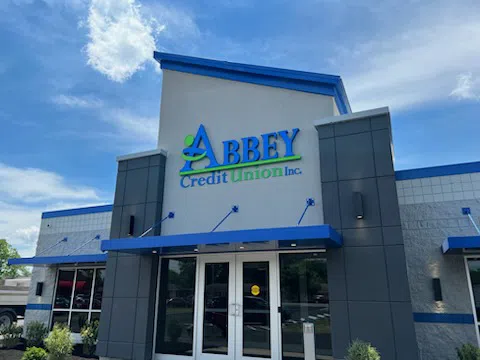
For businesses operating along busy roads and commercial corridors, visibility is essential for attracting potential customers. A well-designed outdoor sign can help drivers identify a business, understand its services, and locate its entrance before passing the property. However, even an attractive sign may struggle to deliver results if its height, position, or viewing angle is poorly planned.
Investing in Outdoor Signs in Columbus allows businesses to strengthen their roadside presence and improve brand recognition. Whether a company operates a retail store, restaurant, automotive service center, healthcare facility, or commercial office, choosing the right signage placement can significantly influence how easily customers find its location.
Business owners must consider traffic speed, viewing distance, surrounding buildings, landscaping, lighting, and local signage regulations before installation. Working with an experienced signage provider can help organizations make informed decisions about these factors.
This article explores how businesses can select suitable sign heights and placement strategies to maximize roadside visibility throughout Columbus and nearby communities.
Why Sign Height and Placement Matter for Roadside Advertising
Outdoor signage serves as a visual connection between businesses and potential customers. Unlike digital advertisements that require users to interact with a screen, roadside signs communicate messages to people traveling through commercial areas.
However, the effectiveness of a sign depends heavily on its physical location.
Improving Visibility From Different Distances
Drivers need enough time to notice, read, and respond to roadside signage. Signs positioned too low may become hidden behind parked vehicles, landscaping, or nearby structures.
Similarly, signs installed excessively high may be difficult to read from certain viewing angles.
Appropriate sign height helps businesses achieve a balance between visibility and readability.
Supporting Business Recognition
Consistent roadside visibility helps customers recognize a company and remember its location. Businesses with prominent signage can establish a stronger physical presence within competitive commercial districts.
For example, retail stores along major Columbus roads may benefit from elevated signage that remains visible beyond surrounding storefronts.
Helping Customers Locate Entrances
Sign placement should also help visitors identify parking areas, driveways, and building entrances.
Clear signage reduces confusion and makes commercial properties easier to navigate, particularly for first-time customers.
Understanding the Different Types of Roadside Signs
Selecting the appropriate signage structure is an important step before determining installation height.
Different sign types offer unique visibility advantages depending on property size, building location, and surrounding traffic conditions.
Monument Signs for Ground-Level Visibility
Monument signs are freestanding structures typically installed near property entrances or along road frontages.
Their lower-profile design makes them suitable for professional offices, medical facilities, business parks, and retail developments.
These signs are particularly effective when buildings sit close to the road and surrounding landscaping does not obstruct visibility.
Pylon Signs for Greater Viewing Distances
Pylon signs are elevated structures designed to provide visibility from greater distances.
They are commonly used by shopping centers, automotive dealerships, hotels, and businesses located near high-traffic roads.
Their height can help signage remain visible above parked vehicles and other roadside obstacles, where local regulations permit.
Building-Mounted Signs for Storefront Identification
Building-mounted signs attach directly to commercial properties and help customers identify individual businesses.
Common options include dimensional letters, illuminated channel letters, and cabinet signs.
These signs work particularly well when businesses have direct road frontage or occupy prominent positions within shopping centers.
Directional Signs for Property Navigation
Directional signage helps visitors identify entrances, parking areas, loading zones, and service departments.
Although these signs may be smaller than primary identification signs, their placement remains important for improving the customer experience.
How to Choose the Right Sign Height for Your Business
Determining an appropriate sign height requires evaluating the property, nearby surroundings, and expected viewing conditions.
There is no universal height that works for every commercial location.
Consider Traffic Speed and Viewing Distance
Roadside signs must communicate information quickly, especially where drivers travel at higher speeds.
Businesses along major routes such as West Broad Street, Hilliard Rome Road, and other busy Columbus corridors should evaluate how far away their signage becomes visible.
Higher-speed traffic generally requires longer viewing distances and larger, simpler lettering.
A sign positioned at an appropriate height can help drivers identify a business before reaching its entrance.
Evaluate Surrounding Buildings and Obstacles
Nearby buildings, utility infrastructure, trees, and existing commercial signs can obstruct visibility.
Before installation, business owners should examine their property from several directions.
Important considerations include:
Whether parked vehicles block the proposed sign location.
Whether landscaping may obstruct visibility as plants grow.
Whether neighboring buildings interfere with viewing angles.
Whether the sign remains visible from both travel directions.
Whether existing structures create visual competition.
Evaluating these conditions helps businesses identify suitable installation positions.
Match Sign Height With Property Layout
A commercial property with a large parking lot may require a different signage approach than a storefront located directly beside a sidewalk.
For example, a freestanding sign positioned near the road may provide better visibility for a business located deep within a shopping center.
Conversely, a building-mounted sign may be sufficient for a storefront facing passing traffic.
The objective is to choose a height that supports clear identification without overwhelming the surrounding environment.
Best Placement Strategies for Outdoor Signs in Columbus
Choosing the correct installation position is just as important as selecting the sign itself.
Businesses should evaluate how customers approach their property and identify locations that provide consistent visibility.
Position Signs Near Primary Road Frontage
Signs placed along the main road frontage can help businesses capture attention from passing vehicles.
However, positioning should account for property boundaries, setbacks, utility easements, and applicable regulations.
A professional site assessment can help determine where signage will provide strong visibility without interfering with pedestrian or vehicle movement.
Consider Driver Viewing Angles
A sign may appear clearly visible when viewed directly from the front but become difficult to read when approached from another direction.
Businesses should evaluate visibility from both sides of the road whenever possible.
For properties located near intersections, angled or double-sided signs may offer better exposure than a single-sided design.
Avoid Visual Clutter
Installing too many signs in one location can reduce the effectiveness of the overall message.
Instead of displaying excessive information, businesses should prioritize essential details such as their company name, logo, and primary service category.
A clean layout with strong contrast and readable typography can improve recognition.
Maintain Clear Sightlines
Sign placement should never obstruct important traffic views, pedestrian crossings, or driveway visibility.
Businesses should carefully evaluate intersections, parking lot exits, and access points before installation.
Proper positioning supports both effective advertising and safer property navigation.
How Sign Size and Lettering Affect Roadside Visibility
Even a correctly positioned sign may perform poorly if its lettering is too small or its design is difficult to understand.
Choose Readable Letter Sizes
Letter height should correspond with the expected viewing distance and traffic conditions.
Signs intended for motorists traveling at higher speeds generally require larger lettering than signs designed for pedestrian environments.
Business owners should avoid squeezing excessive information into limited signage space.
Use High-Contrast Color Combinations
Strong contrast between the background and lettering can improve readability.
Dark lettering on a light background or light lettering on a dark background often provides effective visibility.
Brand colors should remain consistent, but readability must be a priority.
Keep Messaging Simple
Roadside signs typically have only a short window to communicate their message.
A business name, recognizable logo, and concise description are often more effective than lengthy promotional statements.
Simple designs allow customers to process information more quickly.
The Importance of Illumination for Evening Visibility
Businesses operating during evening hours should consider how lighting affects signage performance.
Illuminated signage can help commercial properties maintain visibility after sunset and during low-light conditions.
LED Illuminated Signs
LED lighting provides consistent illumination and is commonly used in modern commercial signage.
It can support readable business identification while offering energy-efficient operation compared with many older lighting systems.
Backlit Channel Letters
Backlit channel letters create a distinctive illuminated appearance that can enhance commercial building facades.
These signs are often used by offices, restaurants, and retail businesses seeking a professional nighttime presentation.
External Sign Lighting
Monument signs and other freestanding structures may benefit from properly positioned external lighting.
Lighting should be directed carefully to reduce glare and avoid distracting motorists or affecting nearby properties.
Local Sign Regulations and Installation Requirements
Before installing commercial signage, businesses should review applicable local zoning and sign regulations.
The City of Columbus regulates various aspects of sign installation, which may include sign height, area, placement, illumination, and permit requirements.
However, requirements can vary depending on zoning classifications, property conditions, and sign types.
Businesses operating in Hilliard, Dublin, Grove City, Upper Arlington, or other surrounding communities may also be subject to different municipal requirements.
Working with a knowledgeable Sign Company in Columbus can help businesses evaluate proposed designs and identify applicable approval procedures.
Property owners should also confirm landlord restrictions, shopping center requirements, and any relevant utility clearances before proceeding.
Common Mistakes Businesses Should Avoid
Several planning mistakes can reduce the effectiveness of commercial signage.
Installing Signs Too Low
Low-positioned signs may become hidden behind vehicles, landscaping, or roadside structures.
Businesses should assess potential obstructions before selecting an installation height.
Ignoring Future Landscaping Growth
Trees and shrubs may appear harmless during installation but eventually obstruct important viewing angles.
Planning for future vegetation growth helps preserve long-term visibility.
Choosing Excessively Complicated Designs
Signs with too much text, multiple fonts, or weak color contrast may become difficult to read from moving vehicles.
Clear branding and concise messaging generally provide better roadside communication.
Overlooking Nighttime Conditions
A sign that looks attractive during daylight may become difficult to identify after dark.
Businesses should assess evening visibility when selecting materials and lighting options.
Skipping Professional Site Evaluation
Without evaluating viewing distances, property conditions, and installation requirements, businesses risk selecting signage that does not meet their practical needs.
Professional planning can reduce costly revisions and installation challenges.
How Professional Sign Companies Help Businesses Make Better Decisions
Developing effective commercial signage involves more than choosing attractive colors and materials.
Experienced signage professionals can evaluate property layouts, identify potential visibility challenges, and recommend appropriate sign structures.
A professional Sign Company in Columbus can assist with site surveys, design development, material selection, fabrication, and installation planning.
For example, SpeedPro Columbus West works with businesses seeking customized visual communication solutions that support their branding and commercial environments.
Businesses should discuss their goals, target audience, property characteristics, and budget before finalizing a signage project.
An organized planning process helps ensure the finished sign complements the building while meeting practical visibility requirements.
Long-Term Benefits of Properly Positioned Outdoor Signage
Investing in effective Outdoor Signs can provide ongoing marketing value for commercial properties.
Unlike temporary advertising campaigns, durable exterior signage can communicate a company's identity throughout its usable lifespan.
Stronger Local Brand Awareness
Consistent visibility helps customers become familiar with a business and recognize its location.
Improved Customer Navigation
Clearly positioned signs make it easier for customers to identify entrances and locate businesses within larger commercial developments.
Better Use of Marketing Budgets
Properly designed and maintained signs can support long-term advertising objectives without requiring recurring media placement fees.
Professional Business Appearance
Well-maintained signage contributes to a cohesive commercial environment and helps businesses communicate professionalism.
For organizations planning new facilities, renovations, or storefront improvements, thoughtful signage placement should be part of the overall property design strategy.
Conclusion
Choosing the right sign height and placement is essential for improving roadside visibility and helping customers locate commercial properties.
Businesses throughout Columbus should evaluate traffic patterns, viewing distances, surrounding obstacles, building layouts, and local regulations before selecting exterior signage.
From monument signs and pylon structures to illuminated building signs, each option offers advantages depending on the property and business objectives.
Effective Outdoor Signs combine appropriate positioning, readable designs, durable materials, and thoughtful lighting to create a recognizable commercial presence.
Businesses planning signage upgrades can consult SpeedPro Columbus West to explore customized solutions that align with their branding and visibility goals.
With proper planning and professional guidance, commercial signage can become a valuable long-term investment in local brand recognition and customer accessibility.
Frequently Asked Questions (FAQs)
1. What is the ideal height for roadside business signs in Columbus?
The ideal height depends on the sign type, road conditions, viewing distance, property layout, and applicable zoning regulations. Businesses should evaluate visibility from approaching traffic and confirm local requirements before installation.
2. Which outdoor sign type works best for businesses along busy roads?
Pylon signs can be effective for businesses requiring visibility from longer distances, while monument signs often work well near property entrances. Building-mounted signs are suitable for storefronts with direct road exposure.
3. How does sign placement affect customer traffic?
Proper placement makes a business easier to identify and helps customers locate entrances. Although signage alone does not guarantee increased customer traffic, improved visibility can support awareness and accessibility.
4. Do businesses need permits to install exterior signs in Columbus?
Many exterior sign installations require permits or other approvals, depending on the sign type and location. Businesses should verify current requirements with the relevant municipal authority before beginning installation.
5. How can businesses improve the nighttime visibility of roadside signs?
Businesses can consider LED illumination, backlit lettering, external lighting, and high-contrast designs. Proper lighting placement helps maintain readability while minimizing glare.