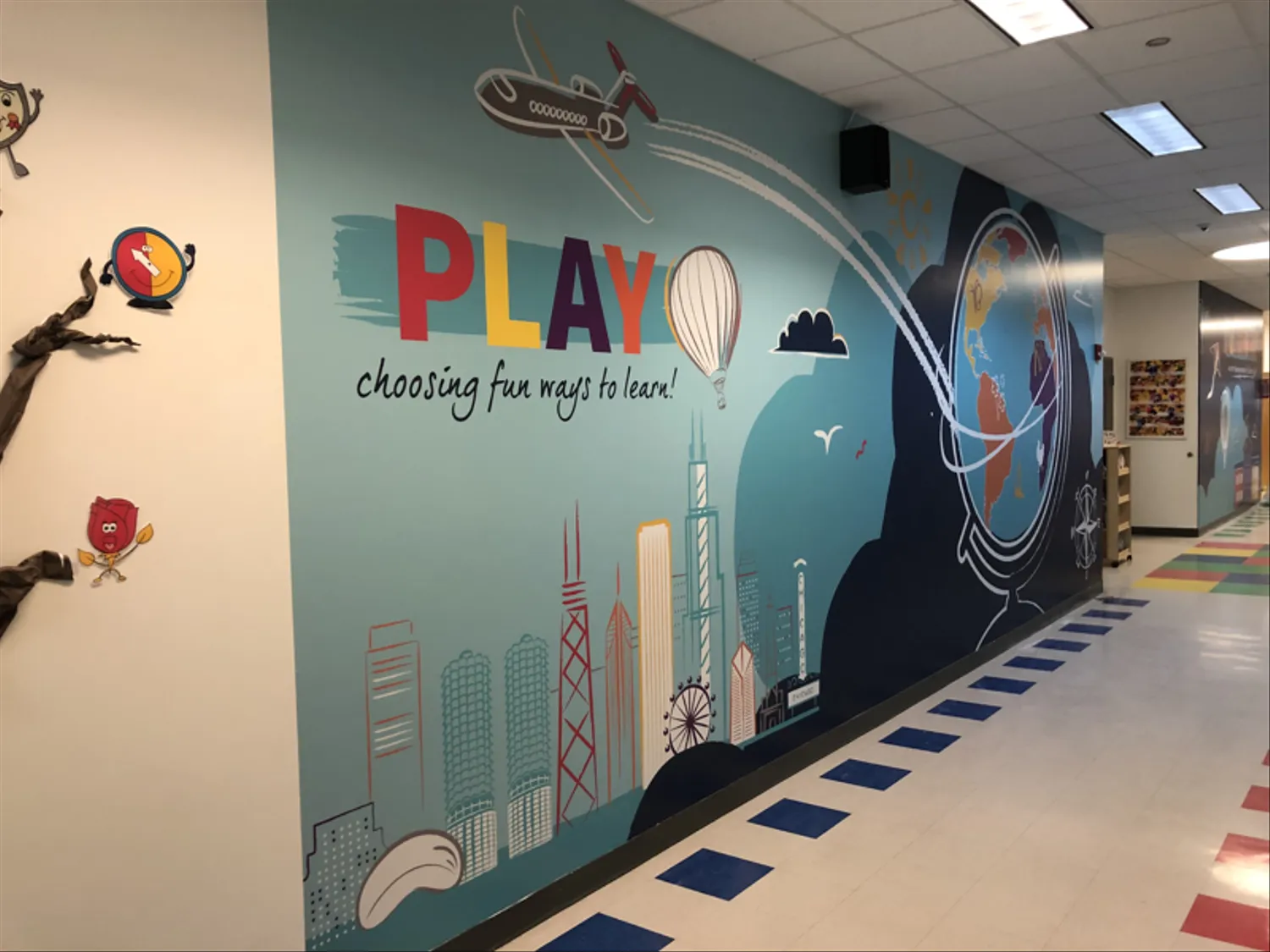
In today’s competitive business landscape, companies are constantly searching for ways to differentiate themselves. First impressions matter, and interior spaces — from lobbies and offices to retail floors and meeting rooms — play a pivotal role in shaping how customers, partners, and employees perceive a brand. One of the most powerful, yet often underestimated tools in commercial design is Wall Graphics Columbus businesses are using to reinvent their interiors with creativity, purpose, and measurable impact.
Whether it’s a sleek corporate office in Downtown Columbus, a boutique storefront in the Short North Arts District, or a bustling coworking space in Polaris, wall graphics hold transformative potential. They help businesses tell their stories, influence customer behavior, reinforce brand identity, and cultivate inspiring environments that support productivity and culture.
In this comprehensive article, we’ll explore how Columbus companies are leveraging wall graphics — what these visuals can do, strategic use cases, design best practices, implementation considerations, and the measurable benefits they offer. Along the way, we’ll share insights geared specifically to B2B services businesses and touch on design trends, durability, ROI, and community examples.
The Visual Revolution of Interior Spaces
Interior design has evolved far beyond paint colors and furniture arrangement — it’s now an immersive experience. Businesses are transforming their environments into visual narratives that speak directly to their audience. Wall graphics play an essential role in this transformation.
Long gone are the days when walls were static separators. Today, they’re interactive canvases that convey meaning, influence mood, and connect brand to visitor. Visual elements contribute to an emotional experience, and in commercial settings, this can directly influence consumer perceptions and employee engagement.
What Are Wall Graphics?
Wall graphics are custom-designed visual elements printed on various substrates — vinyl, adhesive films, perforated materials, and textured surfaces — that adhere to walls, partitions, glass, and even ceilings. These graphics range from simple logos and typographic quotes to large-scale scenic murals.
In Columbus and nearby areas like Hilliard, Dublin, Westerville, and Grove City, businesses employ wall graphics for different purposes: brand identity reinforcement, wayfinding, corporate storytelling, and creating themed spaces that enhance customer experience.
Why Columbus Businesses Are Turning to Wall Graphics
Columbus is a dynamic city with diverse industries — from technology and finance to healthcare and education. Each sector has its own visual language and storytelling needs, yet all share a common design challenge: creating memorable spaces that resonate with people.
Here’s why wall graphics have become a go-to solution for Columbus companies:
1. Brand Integration in Physical Spaces
Brands are no longer just logos on business cards or websites — they live in every physical interaction customers have. Interior wall graphics enable companies to embed their visual identity into the environment. Bold graphics, colors, and mission-driven statements make brand values unmistakable.
For example, a consultancy firm’s open office in Polaris might showcase an oversized wall mural of their core values, reinforcing identity to every client and employee who walks through the door.
2. Cost-Effective Redesign and Marketing
Compared to traditional renovations like structural changes or carpentry, wall graphics are cost-effective and high impact. They offer an efficient way to refresh spaces without major expense.
In Columbus’s retail districts, many storefronts revitalize their interiors seasonally or for special promotions using wall graphics, maximizing appeal while managing budgets.
3. Enhancing Customer Experience
Retail stores, restaurants, fitness studios, medical offices, and service providers are continually refining their customer experience. Wall graphics guide wayfinding, communicate promotions, define zones (e.g., self-service, lounge area), and create environments that physically reflect brand personality.
Imagine walking into a downtown boutique hotel and seeing a wall mural that visually narrates the city’s history — it immediately sparks connection and enhances the guest experience.
4. Boosting Employee Morale and Productivity
Office environments that feel inspiring and visually engaging have been linked to higher job satisfaction. Many companies now embrace wall graphics not just for branding, but for culture.
Quotes that inspire, visual representations of company milestones, or creative graphics that celebrate community impact help build pride and engagement among employees — particularly in collaborative environments like coworking spaces in Grandview Heights or German Village.
Common Applications of Wall Graphics in Columbus
Wall graphics are versatile tools that businesses across sectors use in creative ways. Below are the core applications most commonly seen in Columbus commercial spaces:
1) Brand Storytelling Through Murals
Large-format murals are an opportunity to turn walls into brand narratives. They can depict a company’s history, mission, geographic presence, or industry innovation themes.
A downtown finance firm might design a mural illustrating growth — from local beginnings to national reach — directly on their conference room wall. Visitors don’t just see a logo; they experience a story.
2) Wayfinding and Navigation Graphics
In buildings with multiple tenants, complex layouts, or high-traffic zones, clear navigation is essential. Wall graphics help guide visitors through lobbies, hallways, and parking areas with branded signage and directional cues.
Hospitals, educational institutions like Ohio State University buildings, and corporate campuses rely on wayfinding graphics to streamline movement and reduce confusion.
3) Motivational and Culture-Driven Graphics
Quotes, mission statements, and values rendered as wall graphics inspire teams daily. These graphics become part of organizational culture, making abstract concepts tangible.
For B2B services firms — consulting, legal, financial planning — such visuals remind teams and clients of the company’s purpose and commitment.
4) Thematic Spaces and Zones
Companies use wall graphics to define areas within open environments: collaborative spaces, break zones, tech hubs, and focus areas can be visually distinguished with design elements that align with functionality.
An advertising agency in Clintonville might create a vibrant creative zone with energetic graphics and colors, while keeping client meeting spaces sleek and minimal.
5) Retail and Promotion Displays
Retail stores in Easton Town Center and Polaris Fashion Place use wall graphics to spotlight promotions, brand partnerships, seasonal events, and product launches. Graphics can be swapped or updated without major renovation.
This flexibility is especially valuable in B2B settings like pop-up showrooms or event spaces where visual themes change frequently.
Design Principles That Make Wall Graphics Effective
Creating wall graphics that deliver maximum impact requires strategic design thinking. Listed below are key design principles Columbus businesses rely on:
1. Alignment With Brand Identity
Graphics should reflect brand colors, typography, and voice. When graphics feel consistent with other brand touchpoints — website, print materials, packaging — the experience feels seamless and professional.
2. Visibility and Proportion
Large spaces need large, bold visuals. Off-the-shelf decals or small posters are ineffective in high ceilings or long hallways. Skilled designers ensure graphics are scaled correctly for viewing distance and line of sight.
3. Simplicity and Clarity
Effective wall graphics communicate quickly. Too much detail can overwhelm viewers. The best designs use clear messaging, purposeful imagery, and strong contrast.
4. Material and Durability
Commercial wall graphics should withstand environmental conditions — humidity, foot traffic, and cleaning. This requires choosing suitable media like matte vinyl, lamination for UV protection, and easy-to-replace panels.
5. Accessibility and Compliance
Wayfinding graphics should follow accessibility standards (like ADA guidelines) with appropriate height positioning, color contrast, and tactile elements when required.
FAQs About Wall Graphics for Columbus Businesses
1. What’s the difference between wall decals and wall graphics?
Wall decals are typically smaller, standalone pieces, while wall graphics refer to large-format designs that cover significant wall areas, custom printed and designed for brand storytelling.
2. Can wall graphics be installed on any surface?
Most smooth, clean surfaces — painted drywall, glass, metal panels — are suitable. Uneven textures like brick may require specialized materials or installation techniques.
3. How long do wall graphics last?
With high-quality materials and proper installation, commercial wall graphics can last several years. Durability depends on environment, sunlight exposure, and maintenance.
4. Are wall graphics removable?
Yes — many are designed for clean removal without surface damage, especially vinyl films used in leased spaces or temporary promotions.
5. Do wall graphics fit every budget?
They are one of the most cost-effective design solutions available. Businesses can scale designs and materials to meet budget constraints while still achieving impactful results.