Lithium battery recycling is crucial to protect the environment, conserve resources, and support new technology growth. By understanding the process and taking action, individuals and businesses can make a significant, positive impact.
Picture this: you open your junk drawer and stumble across a forgotten lithium-ion battery. Maybe it powered an old phone, or perhaps it was part of a cordless drill you don’t use anymore. What do you do with it? Tossing batteries in the trash feels easy, but it’s a shortcut that creates a massive environmental problem. Lithium Battery Recycling is not just a technical challenge; it’s a necessity for anyone invested in sustainability, safety, and resource conservation.
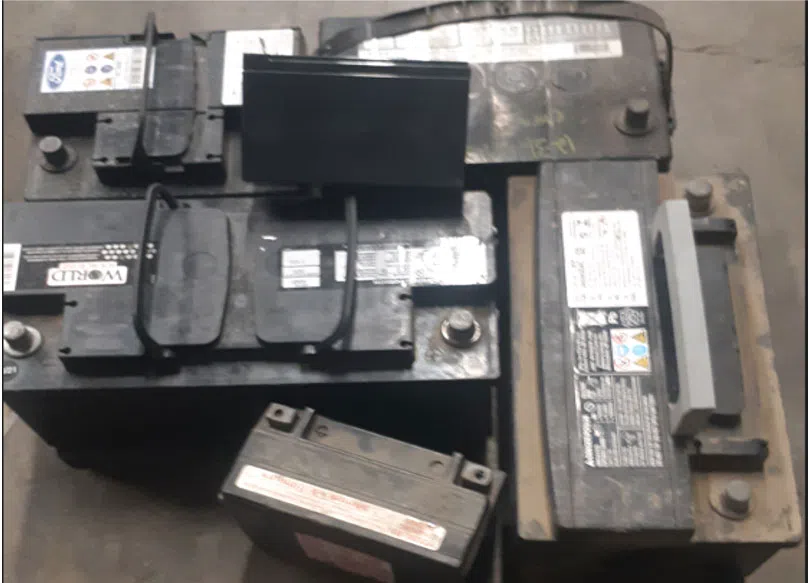
Why Is Lithium Battery Recycling So Urgent?
Let’s start with the facts. Global demand for lithium-ion batteries has surged in recent years. From electric vehicles to smartphones and power tools, these batteries are everywhere. According to the International Energy Agency, annual demand for lithium is expected to increase 40-fold by 2040, driven largely by battery production.
But here’s the catch: only about 5% of lithium-ion batteries are currently recycled worldwide. That means millions of tons of hazardous material head to landfills each year, leaching toxic chemicals into soil and water. The environmental impact is immense, and so is the wasted economic value. Lithium ion battery recycling aims to fix this broken loop.
What Happens When You Don’t Recycle Lithium Batteries?
Not recycling lithium batteries can have serious repercussions:
Soil and Water Pollution: When batteries break down in landfills, heavy metals like cobalt, nickel, and manganese can seep into groundwater.
Fire Hazards: Lithium batteries can spark fires if punctured or compressed, even after disposal.
Resource Scarcity: Lithium is a finite resource. Without recycling, mining demand skyrockets, causing ecological disruption.
Every improperly discarded lithium battery represents a missed chance to recover precious materials and protect the planet. That’s why lithium battery recycling is a topic that affects everyone, from homeowners to industry leaders.
The Lithium Battery Recycling Process: Step by Step
So how does recycling actually work?
1. Collection: Used batteries are gathered from homes, businesses, and drop-off points.
2. Sorting: Batteries are sorted by chemistry (lithium-ion, nickel-cadmium, etc.) to ensure efficient processing.
3. Disassembly: Large batteries are dismantled to access internal cells safely.
4. Shredding: Batteries are shredded under controlled conditions, separating metal foils, plastics, and black mass (powder containing valuable metals).
5. Chemical Extraction: Advanced techniques, such as hydrometallurgy or pyrometallurgy, isolate lithium, nickel, cobalt, and other elements.
6. Refinement: Extracted materials are purified and reintroduced into the battery supply chain.
Real-World Impact: From Cars to Smartphones
Consider the electric vehicle revolution. By 2030, over 200 million electric vehicles could be on global roads. Each car uses a massive lithium-ion battery pack. Without effective lithium ion battery recycling, the world could face a tsunami of waste and a shortage of critical materials. Call Now (+1 587–917–7050) to discuss lithium ion battery recycling options and responsible battery management solutions.
Meanwhile, the average person replaces their smartphone every two to three years. Multiply that by billions and you have a tidal wave of unused batteries. Imagine the power of capturing just a fraction of these devices and recycling their components. The environmental savings would be enormous. Contact Us today to learn more about battery recycling solutions and available services.
Economic and Environmental Benefits
Lithium battery recycling is a win-win proposition:
Reduces Mining Impact: Recycling one ton of lithium batteries can recover enough raw materials to build several new batteries, reducing the need for mining.
Cuts Emissions: Recycling processes emit less carbon than mining and refining new metals.
Job Creation: The recycling industry supports thousands of skilled jobs, from collection to high-tech processing.
A 2022 study estimated that global lithium battery recycling could cut resource extraction by up to 25% by 2040, providing both economic and ecological resilience.
Barriers to Widespread Recycling
If the benefits are so clear, why isn’t everyone recycling? There are some real barriers:
Lack of Access: Not every community has convenient drop-off points or collection programs.
Complex Battery Design: Some batteries are hard to disassemble or contain mixed chemistries.
Awareness Gaps: Many consumers don’t know lithium batteries shouldn’t go in household trash.
Solving these issues will require better infrastructure, smart regulations, and ongoing public education.
How Can You Make a Difference?
It’s easier than you think:
Use Designated Drop-Off Points: Many electronics stores and recycling centers accept lithium-ion batteries.
Separate Batteries from Devices: Remove batteries from old gadgets before recycling.
Spread the Word: Remind friends and colleagues that proper disposal matters.
Stay Informed: Keep an eye on local recycling guidelines, which can change as new technology emerges.
Small, conscious choices can help drive change on a global scale.
Frequently Asked Questions
1. Why is lithium battery recycling important for the environment?
Recycling prevents toxic metals from contaminating soil and water, and it reduces the demand for new mining, which can damage ecosystems.
2. How much lithium can be recovered from recycling?
Depending on the process, between 50% and 80% of lithium can be recovered from used batteries, along with even higher percentages of other metals.
3. Are all types of lithium-ion batteries recyclable?
Most are, though the ease of recycling varies based on battery design and size. Larger EV and industrial batteries are often prioritized, but household batteries can also be recycled.
4. What should I do with a damaged lithium-ion battery?
Place it in a nonflammable container and take it to a hazardous waste facility or a designated collection site. Never put damaged batteries in the trash.
5. Is it safe to recycle lithium-ion batteries at home?
No, home recycling is unsafe. Always use certified recycling programs or facilities, as improper handling can cause fires or chemical exposure.