Introduction
Harnessing the power of the sun for clean energy is a rapidly growing trend. Solar panels, the workhorses of solar energy systems, capture sunlight and convert it into electricity for your home or business. But just like any other machine, solar panels benefit greatly from regular maintenance to ensure they perform at their peak potential.
This blog will explore why regular solar maintenance (O&M) is crucial and delve into the key practices that will keep your solar system running smoothly for years to come.
Why Regular Solar Maintenance Matters
Think of your solar panels as hardworking sun catchers. Over time, dirt, dust, leaves, and even bird droppings can accumulate on the panels, blocking sunlight and hindering their ability to generate electricity. Regular cleaning and maintenance prevent these potential issues and ensure optimal performance.
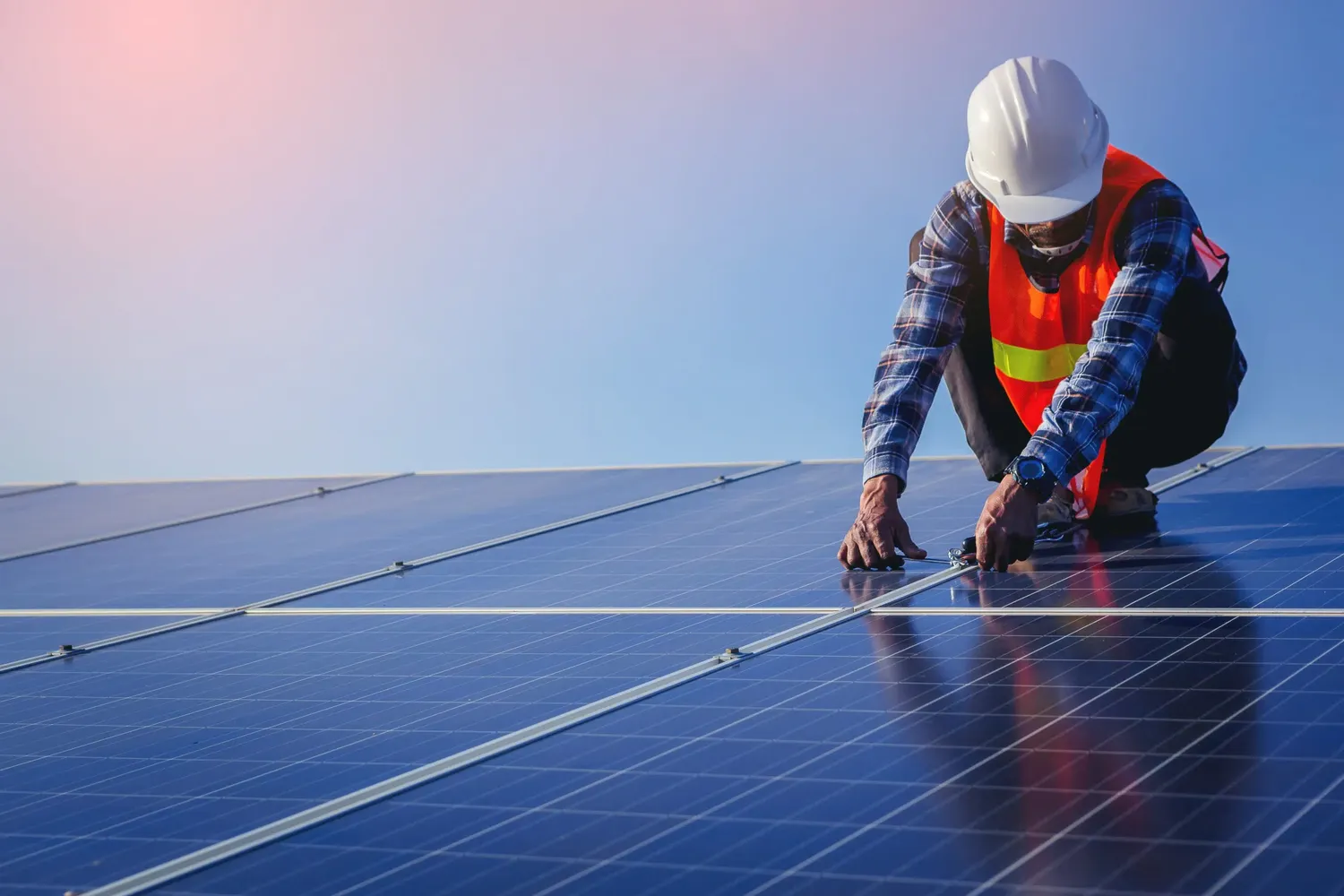
Furthermore, harsh weather conditions like snow buildup or extreme heat can also affect efficiency. Regular maintenance helps identify and address these issues before they significantly impact your energy production.
The financial benefits of maintaining your solar system are undeniable. Clean panels and well-maintained components translate to increased energy production, which means you'll get the most out of your solar investment. Additionally, proactive maintenance can prevent costly repairs or replacements down the line.
Key Components of Solar Maintenance
There are three main pillars of solar maintenance:
- Cleaning and Inspection: Regularly cleaning your solar panels removes dirt and debris, maximizing sunlight absorption. Use soft brushes and gentle cleaning solutions to avoid damaging the panels. While cleaning, conduct a visual inspection for any cracks, discoloration, or other signs of potential damage.
- Monitoring Energy Production: Keeping an eye on your system's performance is vital. Monitoring tools and software allow you to track energy production in real-time and identify any deviations from expected output. This early detection can help diagnose and address issues before they significantly impact your electricity generation.
- Checking and Maintaining Components: Your solar system has several crucial components, including wiring, inverters, and mounting systems. Schedule regular inspections of these components to check for signs of wear and tear. For complex maintenance tasks involving electrical work, consider seeking professional assistance from qualified solar technicians.
Benefits of Regular Solar Maintenance
By prioritizing regular maintenance, you'll reap several benefits:
- Increased Energy Efficiency: Clean panels and well-maintained components lead to optimal system performance, maximizing the amount of electricity your solar system generates.
- Extended System Longevity: Regular maintenance catches problems early on, preventing them from escalating into bigger issues that could shorten the lifespan of your solar system. Think of it as preventative care for your solar investment.
- Cost Savings: By maximizing energy production and preventing costly repairs, regular maintenance translates to significant financial savings in the long run.
Best Practices for Solar Maintenance
Establishing a Maintenance Schedule:
- Consult your solar panel manufacturer's recommendations for a customized maintenance schedule.
- Generally, cleaning is recommended a few times a year, depending on your location and environmental factors.
- Schedule regular inspections to coincide with cleaning sessions.
- Professional maintenance for complex tasks might be needed every few years.
DIY vs. Professional Maintenance:
For basic cleaning and inspections, a DIY approach can be suitable. However, if you're uncomfortable working on your roof or dealing with electrical components, don't hesitate to seek professional help from residential or commercial solar service providers These professionals have the expertise and equipment to handle more complex maintenance tasks safely and efficiently.
Conclusion
Regular solar maintenance is an investment that pays off. By following a consistent maintenance routine, you'll ensure your solar system operates at peak efficiency, maximizes energy production, and delivers long-term cost savings. Remember, proactive maintenance is key to optimizing your solar investment and promoting sustainable energy use.