Industrial manufacturing is entering a new era where automation, precision, and flexibility are essential for maintaining competitive production standards. Businesses are adopting advanced robotic technologies to improve material handling, reduce repetitive manual tasks, and maintain consistent product quality. One of the important developments in this area is soft robotic gripping technology, which offers flexible solutions for handling products with different shapes, sizes, and surface characteristics.
Selecting the Best Soft Gripper Manufacturer is an important consideration for companies looking to introduce modern automation systems. A reliable Soft Robotics Solutions Supplier can help businesses understand their requirements and identify suitable gripping equipment for different industrial applications.
What Makes Soft Robotic Grippers Different?
A Soft Robot Gripper is designed to hold and manipulate objects using flexible gripping structures. Unlike traditional rigid mechanisms, a Soft Robotics Gripper can adjust to the shape of the object during the gripping process.
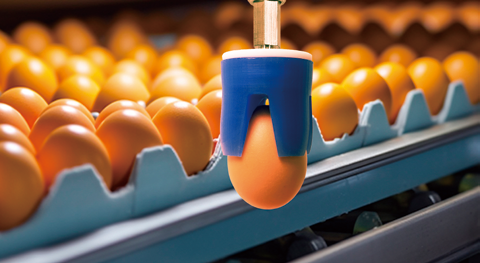
A Robot Soft Gripper is particularly useful in applications where conventional gripping equipment may require specialized adjustments. Its flexible construction supports the handling of delicate products, irregular components, and lightweight materials.
The Best Soft Robot Gripper should provide an effective combination of gripping strength, flexibility, durability, and consistent performance. The Srt Soft Robot Gripper represents the growing interest in advanced gripping technologies designed for modern automation environments.
The Importance of Soft Robotic Finger Design
A Soft Robotic Finger is an important component of flexible gripping systems. It is designed to bend and adapt around products, helping maintain contact during automated handling.
This design can be useful in applications where product shapes vary or where excessive gripping pressure must be avoided.
A Pneumatic Gripper uses compressed air to generate movement within the gripping mechanism. A Soft Pneumatic Gripper combines pneumatic actuation with flexible materials, allowing controlled movement and adaptable gripping performance.
A Soft Robotics Suction Cup offers another gripping approach through vacuum technology. It can help automated systems pick up and transfer products with compatible surfaces in packaging and manufacturing environments.
Advantages of Using Modern Soft Gripping Systems
When evaluating Robot Gripper Manufacturers, businesses should consider product quality, engineering capabilities, material selection, technical support, and application compatibility.
A Soft Gripper Robot can provide greater flexibility when handling different products on the same production line. This adaptability may reduce the requirement for frequent tooling changes.
A Soft Robotic Gripper can also support careful handling through compliant contact surfaces. The principle of Soft gripping focuses on maintaining a stable hold while applying appropriate pressure to the object.
A Strong Soft Robotic Gripper should deliver sufficient holding force for its intended application without compromising the flexibility required for delicate handling.
These advantages make soft robotic technology valuable for businesses seeking adaptable and efficient automation solutions.
Industrial Applications of Soft Finger Robotics
Soft Finger Robotics offers opportunities across multiple manufacturing sectors.
In food processing, flexible fingers can assist with handling fruits, vegetables, bakery products, and other sensitive materials. In pharmaceutical manufacturing, soft gripping systems can support the movement of suitable containers and packaging components.
Electronics manufacturers may also use flexible gripping mechanisms for handling sensitive parts that require controlled pressure and accurate positioning.
A Robot Vacuum Gripper is another useful option for automated picking and material transfer. It uses vacuum pressure to lift products with suitable surfaces and move them between production stages.
For specialized applications, a Pneumatic Magnetic Gripper may combine pneumatic movement with magnetic holding functionality for compatible metallic workpieces.
A Robot Suction Gripper can also support automated product picking, placement, sorting, and packaging operations where vacuum-based gripping is appropriate.
How to Select the Right Industrial Gripping Equipment
Selecting suitable robotic gripping equipment requires a detailed understanding of the production environment. Businesses should evaluate the product's dimensions, weight, shape, surface characteristics, and material composition.
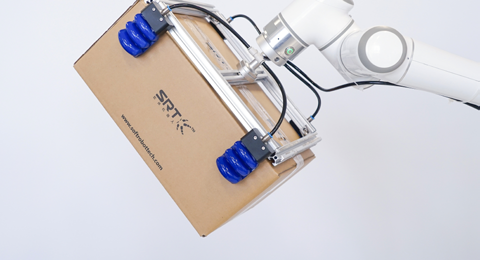
The gripping mechanism should provide sufficient holding force without damaging the handled object. Material durability is equally important because the equipment must operate reliably under its intended working conditions.
Other considerations include operating speed, cycle requirements, maintenance needs, environmental conditions, and compatibility with robotic arms and automation controllers.
Conducting practical testing before implementation can help manufacturers identify the most suitable gripping configuration and improve overall system performance.
Future Opportunities in Soft Robotic Automation
Soft robotics is becoming an important part of industrial innovation because it offers adaptable solutions for increasingly complex handling requirements. Improvements in flexible materials, pneumatic technology, vacuum systems, and robotic controls are expanding the possibilities of automated gripping.
SRT Soft Gripper focuses on soft gripping technology for modern industrial applications. Businesses exploring these solutions can evaluate suitable gripping configurations according to their operational needs and product-handling requirements.
As manufacturing industries continue adopting intelligent automation, flexible robotic gripping systems will play an important role in improving production adaptability. Investing in appropriate equipment can help businesses achieve consistent handling, support product quality, and develop efficient manufacturing processes.