The demand for advanced automation is increasing as industries look for reliable ways to handle products of different shapes, sizes, and materials. From food production to electronics manufacturing, businesses need equipment that can perform repetitive tasks without compromising product quality. Traditional robotic gripping systems are useful for many applications, but rigid structures may not always be suitable for fragile or irregular objects. Flexible robotic gripping technology offers an innovative solution by combining adaptability, precision, and controlled movement.
What Is a Soft Gripper?
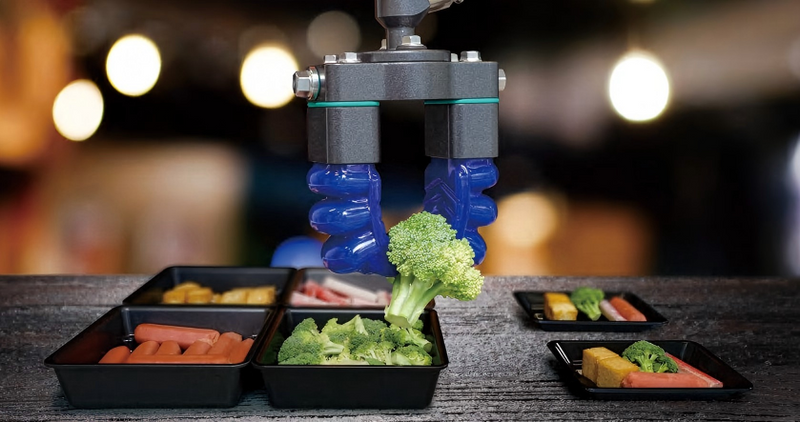
A Soft Gripper is a robotic end-effector developed with flexible materials that allow it to adjust around an object during handling. Instead of relying entirely on rigid mechanical components, it uses adaptable structures to create contact with different surfaces. This makes it suitable for picking and transferring delicate products that require careful handling.
Modern Soft Grippers are designed for applications across agriculture, food processing, packaging, healthcare, electronics, and manufacturing. Depending on the operating requirements, they may use pneumatic pressure, vacuum systems, or flexible mechanical fingers. Their ability to accommodate variations in object geometry makes them valuable for automation environments involving diverse products.
The Evolution of Soft Robotics
The growing interest in Soft Robotics Inc and the broader soft robotics industry highlights the importance of flexible engineering in modern automation. Soft robotics combines advanced materials, mechanical structures, and intelligent control systems to create machines that interact with objects in adaptable ways.
A Soft Robot Gripper uses these principles to grasp, hold, and move products. Its flexible design can help accommodate different object dimensions and reduce excessive contact pressure. This makes it particularly useful when handling items that are difficult to manage with traditional rigid grippers.
A well-designed Soft Robotics Gripper can be customized for specific industrial tasks. Engineers consider material flexibility, gripping force, actuation mechanisms, and operating conditions to develop equipment that meets individual production requirements.
Choosing the Right Robotic Gripping Solution
Selecting a Robot Soft Gripper involves evaluating the characteristics of the products being handled. Weight, dimensions, surface texture, shape, and fragility all influence the required gripping design. Businesses should also examine operating speed, repeatability, maintenance, and compatibility with their robotic equipment.
Companies searching for the Best Soft Robot Gripper should compare technical specifications and practical performance rather than focusing only on initial purchase cost. A suitable system should provide reliable handling while supporting the productivity goals of the application.
The Srt Soft Gripper concept reflects the growing importance of adaptable gripping solutions in industrial environments. A careful assessment of production requirements helps businesses choose equipment that offers an appropriate balance between flexibility, strength, and efficiency.
Flexible Fingers for Precise Object Handling
A Soft Robotic Finger is an important component in many flexible gripping systems. It can bend around an object to create contact while distributing pressure across its surface. Multiple fingers may operate together to hold products securely during automated movement.
These components can be useful in agricultural harvesting, food packaging, laboratory operations, and manufacturing processes involving delicate objects. Their flexible construction allows them to accommodate different shapes without depending on fixed gripping dimensions.
A Soft Robotic Gripper can incorporate different finger designs according to the required application. Finger geometry, material selection, movement, and actuation should be considered during system development.
Understanding Pneumatic Gripping Systems
A Pneumatic Gripper uses compressed air to generate the movement required for gripping. Pneumatic technology is widely used in industrial automation because it can provide controlled actuation and support repeated production cycles.
A Soft Pneumatic Gripper combines this technology with flexible materials. When compressed air enters its internal chambers, the gripping structure changes shape and moves around the target object. This creates an adaptable gripping action that can be useful for products with irregular geometries.
Before selecting a pneumatic system, businesses should examine pressure requirements, air consumption, gripping capacity, response time, and maintenance needs. Proper configuration helps ensure compatibility with existing production equipment.
Suction-Based Soft Robotics
Vacuum technology provides another approach to automated material handling. A Soft Robotics Suction Cup uses vacuum pressure to hold suitable objects during lifting and transfer operations. Flexible suction components can adapt to certain surface variations and support applications involving packaging, warehousing, and electronics.
The performance of a suction-based system depends on product weight, surface texture, vacuum strength, and contact area. Testing with actual products is important to confirm that the selected equipment provides stable and consistent handling.
Selecting Experienced Manufacturing Partners
When evaluating Robot Gripper Manufacturers, businesses should examine engineering capabilities, manufacturing quality, product durability, customization options, and technical support. A reliable manufacturer should understand the application and provide suitable product information.
Working with a knowledgeable Soft Robotics Solutions Supplier can help businesses compare gripping technologies and identify equipment compatible with their robotic systems.
Organizations searching for the Best Soft Gripper Manufacturer should consider performance testing, material standards, maintenance requirements, and after-sales assistance. SRT Soft Gripper highlights the importance of practical gripping technology for businesses seeking adaptable automation solutions.
Expanding the Future of Soft Gripping
A Soft Gripper Robot can support automated processes where product variations make conventional gripping challenging. Flexible mechanisms can help improve handling consistency and reduce unnecessary pressure on delicate items.
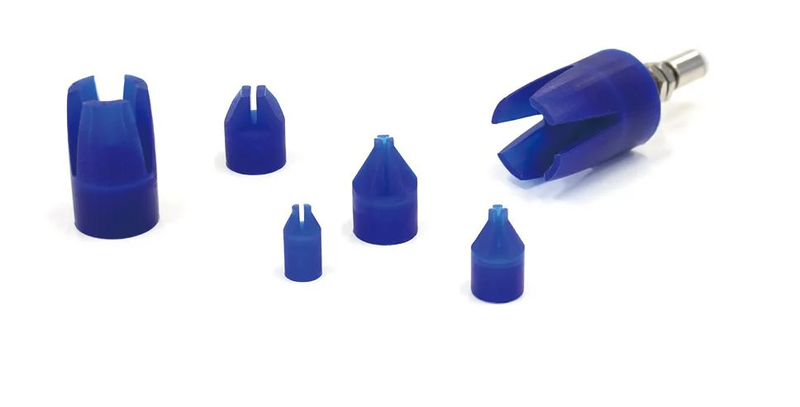
Advancements in Soft Robotic Finger designs and other flexible components continue to expand the applications of Soft gripping. These technologies can support more adaptable production lines and create opportunities for automation in specialized industries.
Conclusion
Soft gripping technology is becoming an important part of modern industrial automation. Pneumatic systems, suction mechanisms, and flexible robotic fingers offer different approaches to handling products with precision and care. Selecting an appropriate Soft Gripper requires attention to application requirements, material properties, gripping performance, and equipment compatibility. With careful planning and suitable technology, businesses can develop more efficient, adaptable, and reliable automated operations.