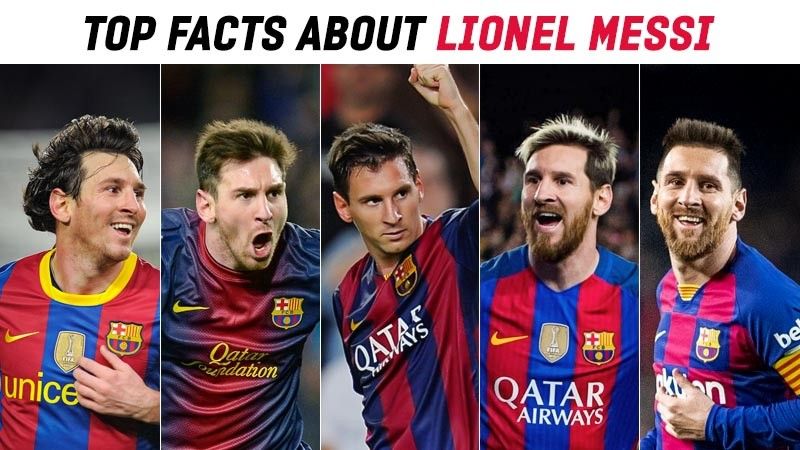
Lionel Messi has won the Ballon d’Or, plays for both Barcelona and the Argentinian national team, and is considered by some to be the greatest living football player in the world.
During the last year, Lionel Messi secured his sixth Ballon d'Or award after yet another brilliant season for the Argentine.
The 32-year-old saw off competition from the likes of Juventus forward Cristiano Ronaldo and Liverpool defender Virgil van Dijk to win the prestigious award.
The following are some amazing facts about Messi to prove that he is definitely one of the best in the world!
Messi’s name and nicknames
Lionel Andrés Messi Cuccittini was born in Argentina in 1987. His father, Jorge Horacio, was a blue-collar steelworker. He also coached the local youth football club for his sons.
Lionel is a diminutive of Leon, which in Latin means “lion.” But, Leo or Lio? The story behind the legend’s name is among the interesting facts everybody is interested to know about the best footballer in the world.
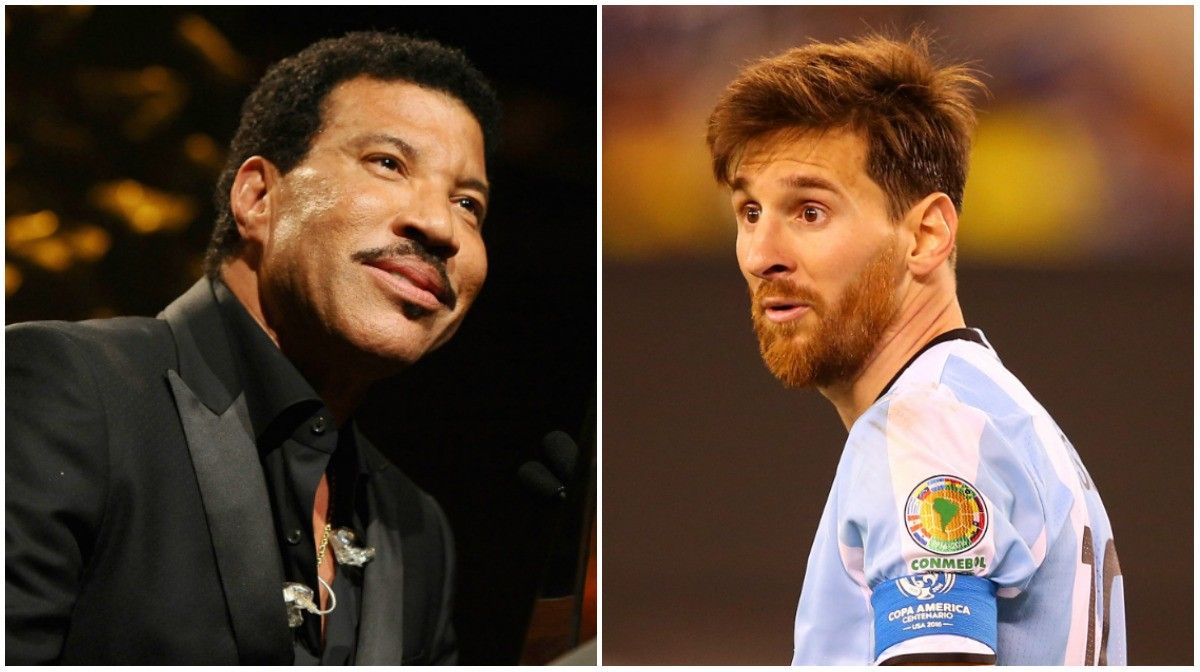
There are no doubts for Messi's parents. Jorge and Celia baptized him as Lionel, not by some Argentine soccer player, but by his father's iconic singer, Lionel Richie.
In 1987, the year that Lionel was born, the most popular songs in Argentina were the romantic ballads of the American composer, Lionel Richie. Although as a music legend, Richie never thought that his name would also be immortalized in the world's most popular sport.
Some of his nicknames include the Flea, La Pulga, and the Goat.
First contract on a paper napkin
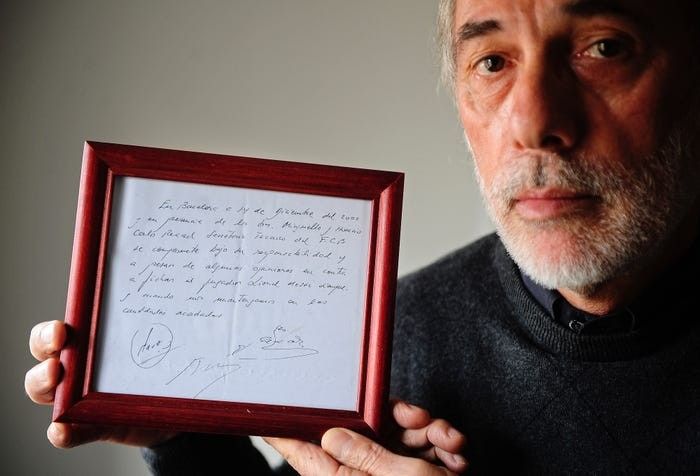
Another top fact about Messi is that the man who helped Barcelona discover Messi admitted that he signed him on a paper napkin (preserved in a frame) when he was just 12 years old because he was too talented to let go.
Messi and his father, Jorge, were close to deciding against Barcelona in favor of Real Madrid when the executive Carles Rexach took matters into his own hands.
"His father felt that things were not all too clear and told me they would leave," he said. "I decided to sign him on a paper napkin that a waiter gave me because I couldn't let him get away."
Growth hormone deficiency
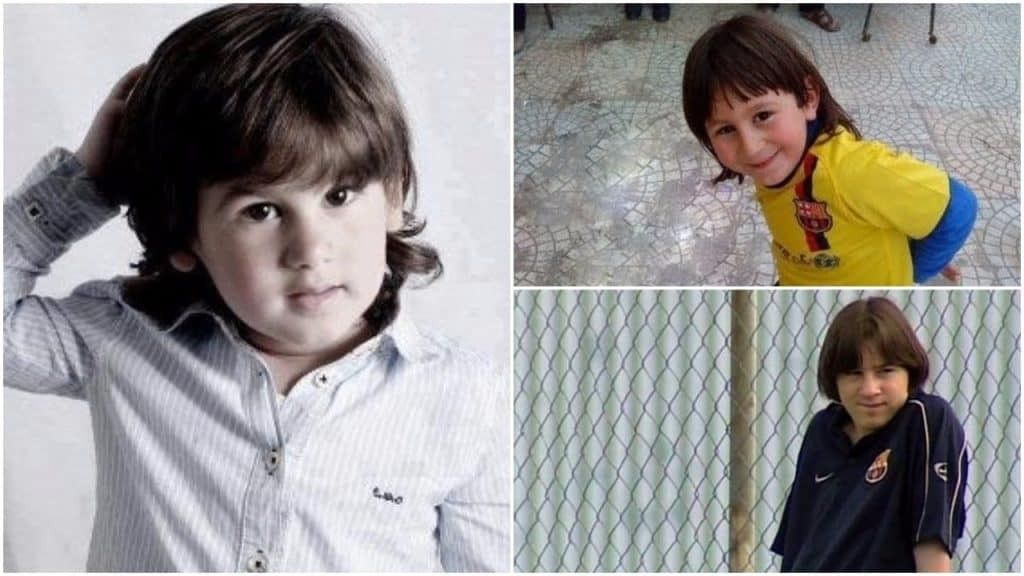
In fact, Messi’s first contract, signed on a napkin, was to pay for his medical treatments.
Messi has been diagnosed with a growth hormone disorder or GHD. It is often called idiopathic short stature, but there are problems that go beyond being shorter than average. The treatments were expensive, a $900 monthly expense that his modest family could not afford.
River Plate and Newell's Old Boys, storied Argentinian clubs, passed on that expense despite the promise of a very young Messi.
The treatments were injections of human growth hormone. For someone with GHD, this is a life-changer, allowing them to not only develop greater height, but also help deal with a variety of internal issues, such as pituitary function, skin and teeth problems, poor vision, and lower immunity.
Although the use of HGH is banned in almost all sports, amateur and professional, there are two exceptions that need to be clarified.
First, Messi's use was likely discontinued after he reached adulthood. Messi could also apply for a therapeutic use exemption.
A therapeutic use exemption is granted for a player's use of a banned substance when that substance is considered medically necessary. Messi did not use HGH as a performance enhancer but he was using a prescribed treatment.
It was not till Carles Rexach, a Spanish Catalan footballer and the sporting director of FC Barcelona, came to the rescue that Messi’s career was secured. The man was aware of the young boy’s talents and thus offered help.
A controversial fact about Messi is that he is rumored to be on the autistic spectrum. There are unconfirmed reports that Messi was diagnosed with Asperger’s Syndrome (a pervasive developmental disorder on the autistic spectrum) at the age of 9.
This could disclose to some extent his exceptional sporting talent, and his unwavering focus on football, as those with Aspergers have been observed to interact differently with the world than others. Common traits include social difficulties, repetitive behavior, and on occasion extreme skill in specific areas, which could account for Messi’s remarkable ability on the pitch.