Snapmaker has gained a reputation for delivering versatile and user-friendly 3D printers that cater to a wide range of printing needs. One crucial component of these printers is the 3D printer's two extruders, which play a vital role in filament feeding and deposition. In this article, we will delve into the types of extruders available in Snapmaker 3D printers, focusing on their features, benefits, and applications.
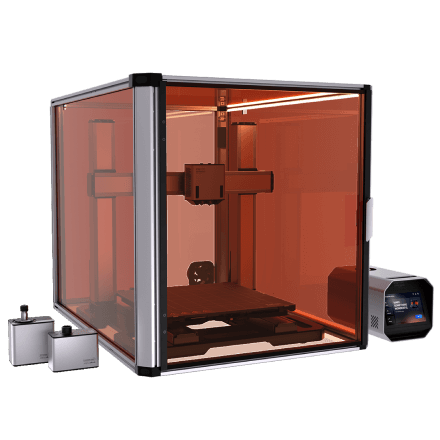
· Direct Drive Extruders
One of the commonly used 3D printer two extruder types in Snapmaker 3D printers is the direct drive extruder. As the name suggests, this extruder directly attaches to the print head assembly, allowing for a compact and streamlined design. Direct drive extruders are known for their precise filament control, as they eliminate the need for long Bowden tubes, reducing the potential for filament jamming and other related issues. This makes them ideal for printing with flexible filaments like TPU or TPE, as they ensure consistent extrusion without filament slippage.
Direct-drive extruders are also advantageous when it comes to printing small and intricate models. The direct proximity of the extruder to the hot end enables faster filament retractions, resulting in reduced stringing and improved overall print quality. Additionally, the close proximity of the extruder and hot end allows for easy material changes during multi-color or multi-material prints.
· Bowden Extruders
Another extruder type frequently found in Snapmaker 3D printers is the Bowden extruder. In this setup, the extruder motor is located remotely from the print head, and the filament is guided through a Bowden tube to reach the hot end. Bowden extruders offer their own set of advantages, particularly for larger prints and high-speed printing.
The lightweight design of the Bowden extruder reduces the moving mass on the print head, minimizing vibrations and artifacts that can affect print quality. This makes them suitable for printing larger models where precision and stability are critical. Furthermore, the absence of a heavy motor on the print head allows for faster accelerations and decelerations, resulting in quicker print speeds.
The Bowden extruder setup also provides a significant advantage in terms of filament compatibility. By separating the extruder from the hot end, it becomes easier to print with more demanding materials that require higher temperatures. The Bowden tube acts as an insulator, preventing heat transfer to the extruder, which is particularly useful when working with materials like ABS or nylon.
Snapmaker 3D printers offer users the choice between direct drive and Bowden extruders, each with its own unique benefits and applications. The direct drive extruders excel in precision, allowing for excellent control over filament feeding, and are ideal for small, intricate prints and flexible materials. On the other hand, Bowden extruders provide stability, higher print speeds, and extended filament compatibility, making them a favorable option for larger prints and demanding materials.
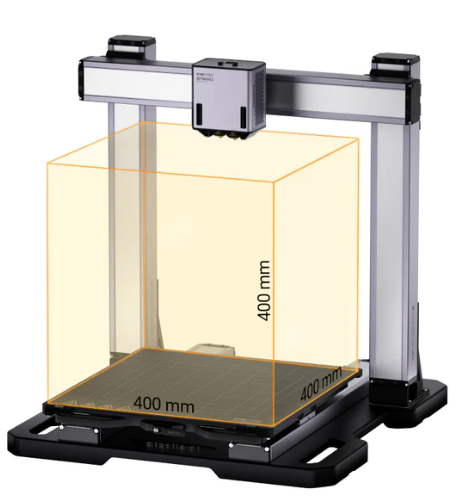
By understanding the capabilities and characteristics of these extruder types, Snapmaker users can tailor their printing experience to match their specific needs and preferences. Whether it's producing intricate models or printing large-scale prototypes, Snapmaker's range of 3D printer two extruders ensures that users can achieve their desired results with optimal efficiency and reliability. Visit eu.snapmaker.com for an amazing artisan 3 in 1 3D printer.
Visit here: https://www.youtube.com/watch?v=9XJ5m6flx_E&t=3s