Tooth discolouration is a concern many individuals notice over time, often during routine dental visits or when comparing older photographs. Patients visiting dental clinics in St John’s Wood frequently ask about changes in tooth colour and what may contribute to them. Tooth shade can be influenced by a range of everyday factors, personal habits, and natural changes within the tooth structure itself.
At Smile Cliniq, discussions around tooth discolouration usually focus on identifying possible causes and understanding suitable dental care options, including professional assessments and cosmetic dentistry procedures such as teeth whitening .
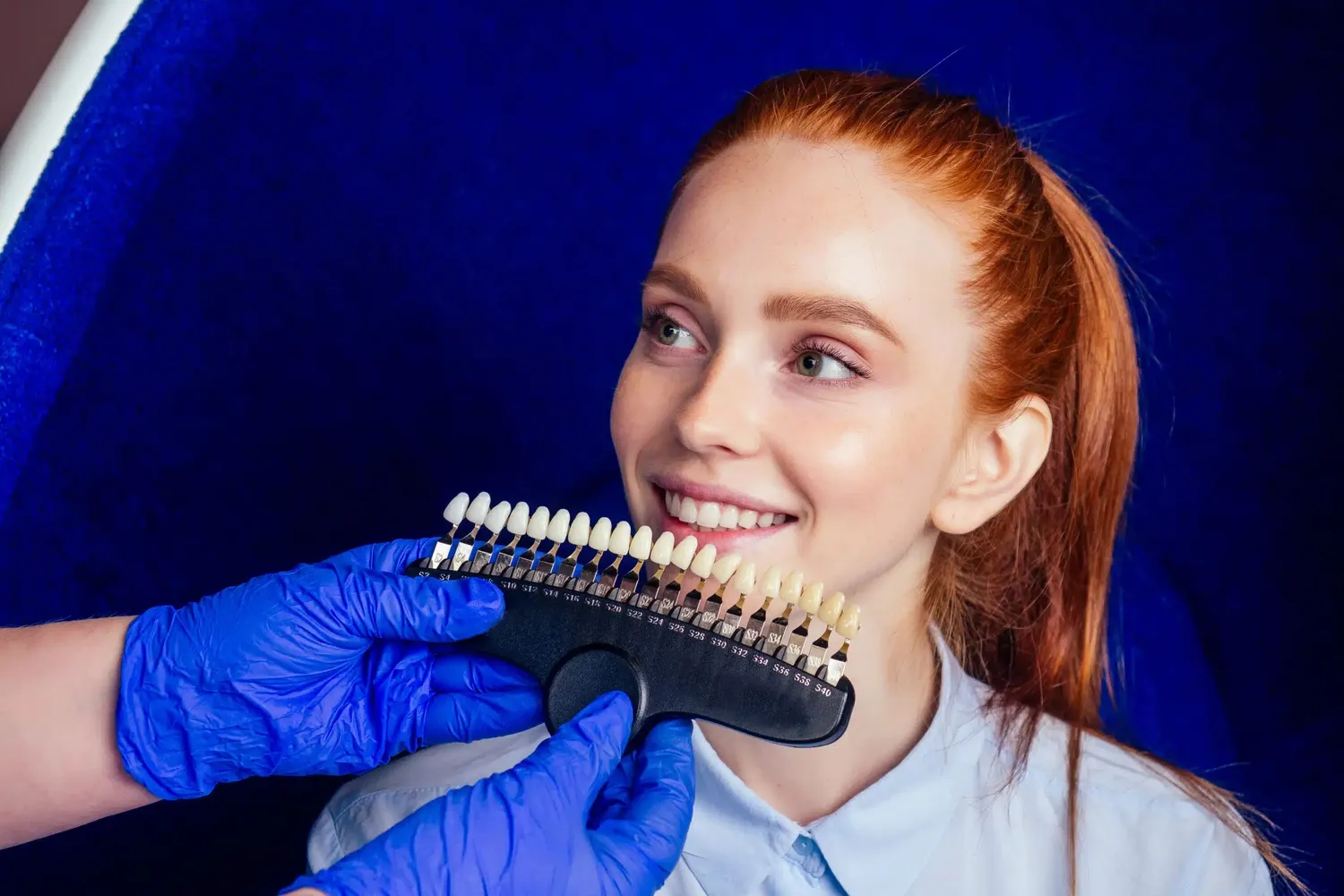
This article outlines some of the most commonly observed causes of tooth discolouration, helping patients better understand why changes may occur.
Understanding Tooth Discolouration
Tooth discolouration generally falls into two categories:
- Extrinsic discolouration – staining that affects the outer enamel surface
- Intrinsic discolouration – colour changes within the internal structure of the tooth
Identifying the type of discolouration helps dental professionals determine appropriate management options, which may vary from routine hygiene care to cosmetic dental treatments.
1. Dietary Habits and Common Beverages
One of the most frequently discussed factors related to tooth discolouration is diet. Many foods and drinks consumed regularly contain pigments that may adhere to enamel over time.
Common examples include:
- Tea and coffee
- Red wine
- Dark-coloured fruit juices
- Certain sauces such as soy or balsamic vinegar
In St John’s Wood, where café culture and social dining are common, these beverages are often part of daily routines. Over time, their pigments may contribute to surface staining, particularly if oral hygiene routines are inconsistent.
2. Tobacco Use
Smoking or using other tobacco products is widely associated with tooth staining. Tobacco contains substances such as nicotine and tar, which can adhere to enamel and contribute to yellow or brown surface stains.
Patients seeking smile dental care often notice these changes gradually rather than suddenly. Tobacco-related staining may become more noticeable during dental examinations or professional cleanings.
3. Oral Hygiene Practices
Brushing and flossing habits play a significant role in how stains develop and persist. When plaque accumulates on the tooth surface, it can attract staining compounds from food and drink.
If plaque is not regularly removed, it may harden into tartar, which tends to trap stains more easily and cannot be removed through home brushing alone. This is one reason routine dental hygiene appointments are commonly recommended as part of ongoing oral care.
4. Natural Age-Related Changes
As people age, it is common for teeth to appear darker or more yellow. This change often occurs due to:
- Gradual thinning of enamel
- Increased visibility of the underlying dentin, which naturally has a darker tone
Age-related colour changes are considered a normal part of dental ageing and are frequently discussed during consultations at dental clinics such as Smile Cliniq.
5. Dental Trauma or Injury
In some cases, tooth discolouration may be linked to past trauma. An injury to a tooth can affect the internal pulp, leading to colour changes over time. This type of discolouration may appear grey, brown, or darker than surrounding teeth.
Trauma-related discolouration does not always present immediately and may become noticeable months or even years after the initial incident.
6. Medications and Early Tooth Development
Certain medications can influence tooth colour, particularly when taken during childhood while teeth are still developing. In other situations, medical conditions or prolonged medication use may contribute to changes in tooth shade later in life.
These causes are typically classified as intrinsic and may not respond in the same way as surface stains. Dental professionals usually take medical and dental history into account when discussing cosmetic concerns.
7. Enamel Erosion and Dental Conditions
Enamel erosion can occur due to frequent exposure to acidic foods, beverages, or certain health conditions. When enamel becomes thinner, the darker dentin layer beneath may show through more clearly.
Additionally, untreated dental decay or older restorations may alter the appearance of tooth colour in specific areas.
Approaches to Managing Tooth Discolouration
Management options for tooth discolouration vary depending on the underlying cause. During consultations for teeth whitening in St John’s Wood, dental professionals typically assess:
- Type of staining (extrinsic vs intrinsic)
- Overall oral health
- Existing dental work
- Patient preferences and expectations
At Smile Cliniq, discussions around teeth whitening and other cosmetic procedures are part of a broader dental assessment, allowing patients to understand available options without assumptions about outcomes.
Preventive Considerations
While not all causes of discolouration can be avoided, some general practices are often discussed during dental visits, such as:
- Maintaining consistent oral hygiene routines
- Attending regular dental check-ups
- Being mindful of dietary habits
- Addressing dental concerns early
These measures may help limit the progression of surface staining over time.
Final Thoughts
Tooth discolouration is influenced by a combination of lifestyle, natural ageing, oral health, and individual dental history. For patients in St John’s Wood, understanding these contributing factors can support informed discussions with dental professionals.
Whether exploring routine care, cosmetic dentistry, or smile dental services such as professional assessments for tooth colour concerns, clinics like Smile Cliniq focus on providing information that helps patients make decisions suited to their individual circumstances.