A routine dental check-up plays an important role in maintaining oral health at every stage of life. Whether you are visiting a dental professional regularly or returning after a gap, understanding what happens during an appointment can help you feel more confident and prepared. For patients booking a dental check up in London, these visits focus on early identification, monitoring, and preventive care rather than treatment alone.
At a local dental clinic like Smile Cliniq, routine check-ups are designed to assess overall oral health while taking into account individual needs, lifestyle factors, and dental history.
Reviewing Your Dental and Medical History
A routine check-up usually begins with a brief review of your dental and medical background. This may include updates on any changes in medication, general health, or dental concerns since your last visit. Even small changes can influence oral health, so this step helps the dentist understand the wider context before beginning an examination.
Patients may also be asked about habits such as diet, oral hygiene routines, or symptoms like sensitivity or discomfort. These discussions support a more personalised approach to care.
Visual Examination of Teeth and Gums
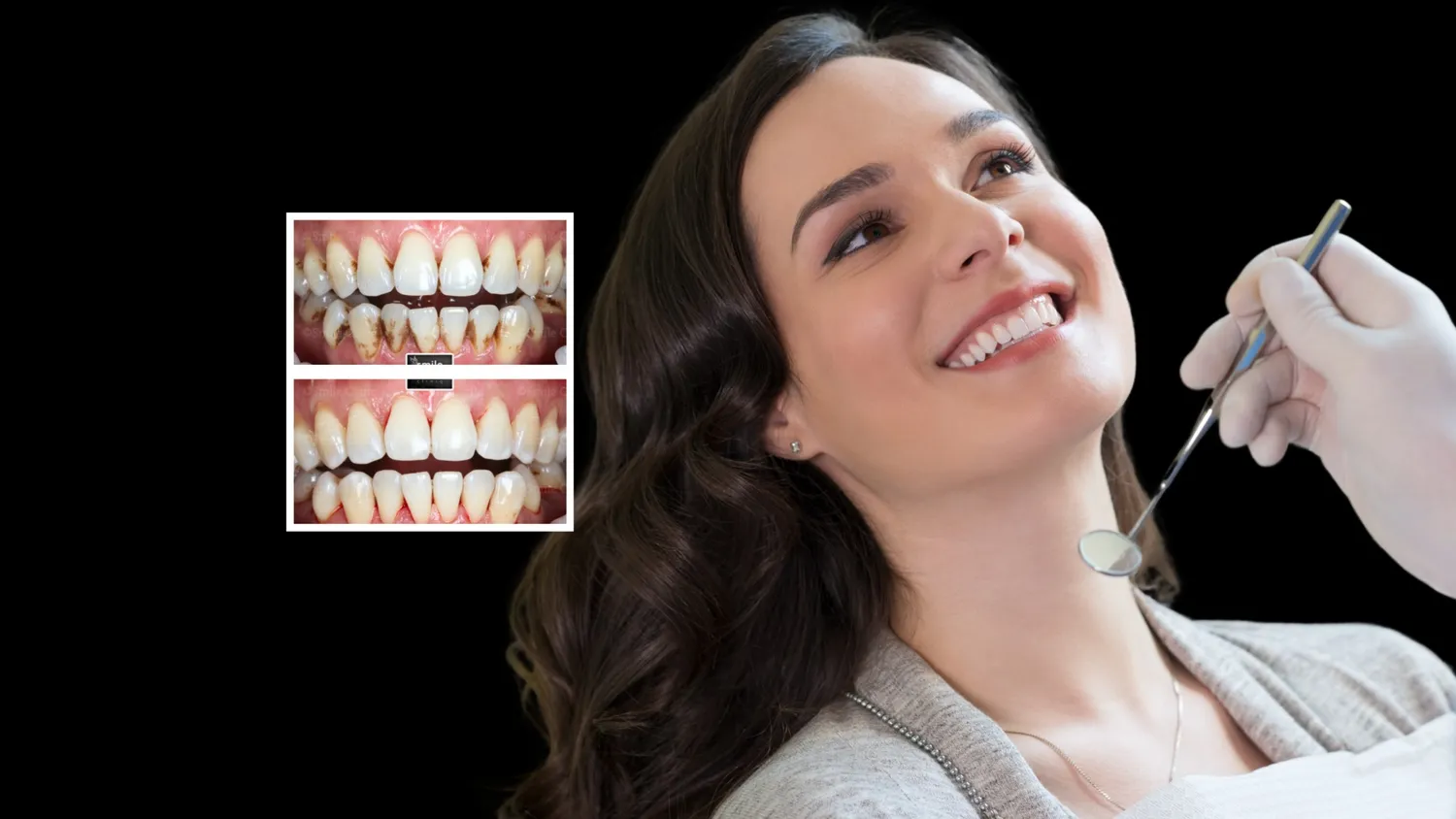
The main part of a dental check-up involves a detailed visual examination of the teeth, gums, and surrounding tissues. The dentist carefully checks for signs of tooth decay, wear, cracks, or changes in tooth structure. Gums are assessed for inflammation, recession, or bleeding, which may indicate early gum issues.
This examination also includes looking at the soft tissues of the mouth, such as the tongue, cheeks, and palate. Identifying changes early allows potential concerns to be monitored or addressed before they develop further.
Checking Existing Dental Work
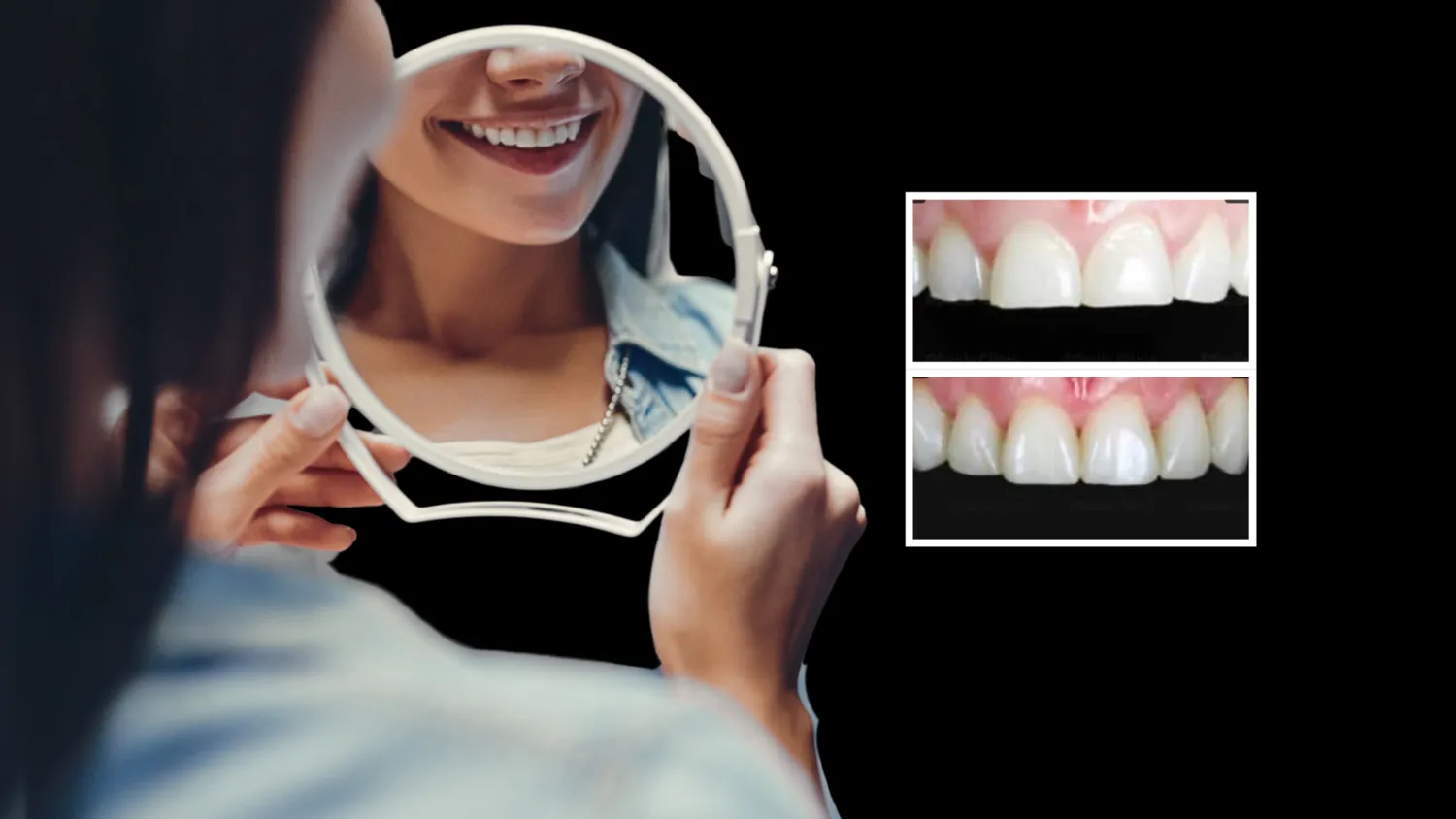
If you have fillings, crowns, veneers, or other dental restorations, these are checked during the appointment. The dentist ensures they remain intact and functional and that there are no signs of wear or breakdown around them. Monitoring existing dental work is an important part of long-term oral care, particularly for patients who have had previous treatments.
Bite and Jaw Assessment
A routine dental check-up may also include evaluating how your teeth come together when you bite. Uneven contact or changes in bite alignment can contribute to tooth wear or jaw discomfort over time. The dentist may ask about symptoms such as jaw tension, headaches, or teeth grinding, especially for patients experiencing stress or lifestyle-related strain.
Dental X-Rays (When Needed)
Dental X-rays are not taken at every appointment, but they may be recommended periodically depending on your oral health history and risk factors. X-rays allow dentists to see areas that are not visible during a visual examination, such as between teeth or beneath existing restorations.
When required, X-rays help detect early signs of decay, bone changes, or other issues that may not yet be causing symptoms. Any recommendation for imaging is made carefully and explained clearly.
Professional Advice and Preventive Guidance
After the examination, the dentist discusses the findings and provides guidance tailored to your oral health. This may include advice on brushing techniques, flossing, or managing sensitivity. For patients attending a dental check up in London, lifestyle factors such as busy schedules, diet, and stress are often considered when offering practical recommendations.
If further care is needed, this may be discussed as an option rather than an immediate requirement. Routine check-ups are about planning and prevention, not just treatment.
Role of Routine Check-Ups in Long-Term Oral Health
Regular dental check-ups help maintain consistency in care and allow dentists to track changes over time. Small concerns identified early are often easier to manage than issues left unmonitored. For many patients, routine visits provide reassurance that their oral health is stable and being reviewed professionally.
At Smile Cliniq, routine check-ups are part of a broader approach to oral health that values clarity, patient understanding, and ongoing monitoring.
Why Local Dental Check-Ups Matter
Choosing a local dental clinic for regular check-ups offers continuity of care and familiarity with your dental history. For patients living or working nearby, attending routine appointments becomes more manageable, supporting consistency over time.
A dental check up in London is not only about addressing problems but also about maintaining awareness of oral health as part of everyday wellbeing.
Conclusion
A routine dental check-up involves more than a quick look at your teeth. From reviewing your dental history to examining teeth, gums, bite, and existing dental work, each step plays a role in preventive care. Understanding what happens during these visits can help patients feel more comfortable and proactive about their oral health.
By attending regular check-ups at a trusted dental clinic like Smile Cliniq, patients can stay informed, supported, and confident in their long-term oral care decisions.