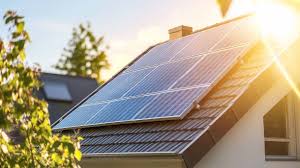
The right smart solar structure installation can squeeze way more juice from the same panels. It's not just about slapping them up there. It's about thinking ahead.
I've spent time poring over real installs, efficiency reports, and chats with folks who've done it right. No hype. Just what actually moves the needle on your savings.
Quick reality check: Bad mounting wastes 10-30% of potential output. Fix that, and you're laughing all the way to lower bills.
Why Structure Matters More Than You Think
Panels are only as good as what holds them. A smart setup optimizes angle, height, and airflow. That means more sun hits them squarely. Less heat builds up underneath.
Poor installs? Panels overheat. Output drops. Snow or dirt lingers. You lose money every single day.
Real numbers hit different when you see why. Trackers boost production 15-35% over fixed setups in good spots. Why? They chase the sun like a pro. Fixed ones sit still but win on cost and simplicity in many cases.
East-west layouts on flat roofs pack more panels. They spread power across the day instead of one big midday spike. Matches home usage better. Smart move for real life.
Types of Smart Solar Structures That Save Energy
Let's break down the main players. Each has its sweet spot.
Fixed-Tilt Ground Mounts These sit on sturdy frames in your yard. You pick the perfect tilt for your latitude. Steeper in winter? Easy.
They beat rooftops for airflow. Panels run cooler. Efficiency climbs. Ground clearance means less shading from weeds or snow.
Rooftop Optimized Racking Not all roof mounts are equal. Modern systems use rails that allow better spacing. Microinverters per panel keep one shady spot from killing the whole string.
East-west racking shines here. More consistent daily output. Less grid stress. Your bill drops steadier.
Single or Dual-Axis Trackers These move. Single-axis follows east to west. Dual does more but costs extra.
Gains? Up to 40% in some sunny areas. But they need space and maintenance. Great for big open fields. Not always for tight backyards.
Bifacial Setups with Elevated Racking Panels grab sun from both sides. Reflective ground underneath boosts them another 10-30%. Elevated structures make this magic happen.
Albedo effect—light bouncing off white gravel or snow—supercharges it. Smart installers plan for this from day one.
Carport and Canopy Structures Kill two birds. Power plus shaded parking. Elevated design improves cooling. Often use adjustable or tracking elements.
How Smart Installation Boosts Savings
Orientation and tilt aren't guesses. Match your location's sun path. South-facing at latitude angle is classic. But tweaks save more.
Deviations of 10-30 degrees barely hurt output in many spots. Gives flexibility around trees or roof lines. Real-world gold.
Airflow underneath cuts heat. Every degree cooler can add 0.5% efficiency or so. Over a year? That stacks up big.
Shading kills production fast. Even partial shade on one panel drags the rest if wired wrong. Smart racking plus optimizers fix this cold.
Key energy-saving tricks:
- Proper spacing between rows avoids self-shading
- Elevated mounts for better ventilation
- Reflective surfaces under bifacial panels
- Seasonal tilt adjustments where possible
- Integrated monitoring to catch issues early
Real Stats That Explain the "Why"
Industry reports show optimized structures pay off fast. Trackers add 15-25% yearly kWh in many climates. Why? More hours at peak angle instead of glancing blows.
Bifacial gains hit 30% extra with good ground reflection. Snowy areas love this—white stuff bounces light like crazy before it melts.
One study on commercial roofs found east-west layouts deliver steadier power. Matches afternoon AC loads. Utilities notice. You save on time-of-use rates.
Heat hurts. Panels lose about 0.4% efficiency per degree C over 25°C. Smart elevated racking drops operating temps 10-20°C. Do the math. That's real money.
In cold spots, panels actually love the chill. Proper snow-shedding tilts (30-35°) get you back
Factors That Make or Break Your Savings
Location rules. Sunny desert? Trackers crush it. Cloudy north? Fixed with bifacial might win.
Soil and wind? Strong foundations prevent sagging that misaligns panels over time. Misalignment loses 1-2% per degree off. Adds up.
Future-proofing counts. Add space for more panels later. Or easy battery tie-in. Smart installers think 25 years ahead.
Maintenance access matters. Ground mounts let you clean and check easy. Dirty panels lose 5-20% output. Stay on top of it.
Costs vs Long-Term Payback
Upfront for smart racking stings more. But lower LCOE—cost per kWh—makes it worth it. Trackers often beat fixed on lifetime value despite higher price.
Incentives help. Federal tax credits, state rebates. Pair with batteries for even bigger bill slashes.
Don't skimp on engineering. Cheap mounts fail in wind or sag over years. Then you're replacing instead of saving.
Myths That Cost You Money
"Any south-facing roof works fine." Tilt and spacing matter hugely.
"Trackers always best." Not if maintenance or space kills the gains.
"Ground mounts too expensive." Often cheaper per kWh long run due to optimal everything.
Common Installation Pitfalls to Avoid
Skipping shade analysis. One tree branch in summer? Ouch.
Ignoring local codes. Wind/snow loads wreck underbuilt systems.
Poor wiring. Voltage drop wastes power before it reaches your house.
No monitoring. You won't know when something dips.
FAQ
Does smart racking really boost energy output that much?
Yeah. Optimized tilt and airflow can add 10-30% over sloppy installs. It keeps panels cooler and better angled all day long. Worth every penny.
What's better for my home—fixed or tracking structures?
Fixed wins for most houses on cost and reliability. Trackers shine on big open land with lots of sun. Check your space first.
How important is bifacial with elevated mounting?
Huge in reflective spots. Extra 10-30% from backside light. Smart installers pick ground covers that bounce more rays.
Can I retrofit my existing solar for better savings?
Often yes. Add optimizers, adjust tilt, or raise sections. But full smart redesign gives biggest jump. Get a pro assessment.
What's the payback like for smart solar structure upgrades?
Usually 5-8 years depending on your rates and sun. After that? Pure profit plus energy independence. Feels great.
You've got the scoop. Smart solar structure installation isn't fancy extras. It's nailing the basics right tilt, height, airflow, and tech that matches your life.
More detail: reliable services