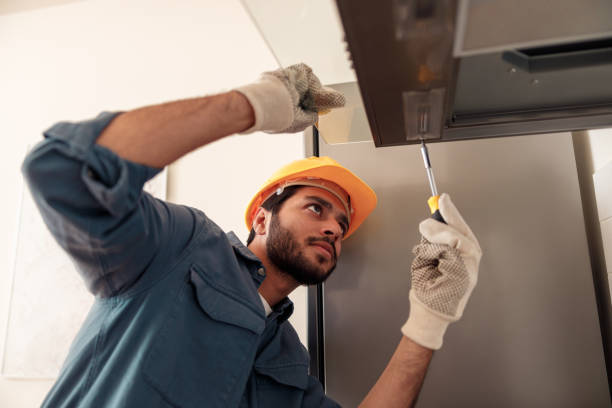
A range hood plays a crucial role in keeping the kitchen free of smoke, grease, and odors. However, like any other appliance, it may encounter issues over time. Understanding how to perform range hood repair can help maintain its efficiency and prolong its lifespan. This article outlines the most common problems and their solutions.
Common Range Hood Problems and How to Fix Them
1. Range Hood Not Powering On
If the range hood does not turn on, possible causes include:
- Power Supply Issues: Check if the unit is properly plugged in and ensure that the circuit breaker is not tripped.
- Blown Fuse: Some range hoods have fuses that may need replacement if burnt out.
- Defective Control Panel: If the buttons or touch controls are unresponsive, the control board might need repair or replacement.
2. Weak Airflow or No Suction
If the range hood is running but does not seem to remove smoke effectively, check for:
- Clogged Filters: Over time, grease and dirt accumulate in the filters, reducing airflow. Cleaning or replacing them can restore efficiency.
- Blocked Ducts: If the unit is ducted, check for obstructions in the venting system. A blocked duct can restrict airflow, leading to poor suction.
- Faulty Motor: A failing motor can cause the fan to spin slowly or stop working altogether. Replacing the motor can fix the issue.
3. Unusual Noises from the Range Hood
A noisy range hood can be a sign of:
- Loose Fan Blades: If the fan blades are wobbly, tightening them can eliminate rattling sounds.
- Debris in the Ducts: Objects or grease buildup inside the ductwork can create noise when air passes through. Cleaning the vents can help.
- Worn-Out Motor Bearings: Grinding or squeaking noises often indicate that the motor bearings are worn and need replacement.
4. Lights Not Working
A range hood should provide adequate lighting while cooking. If the lights fail, consider:
- Burnt-Out Bulbs: Replacing the bulbs with compatible ones is often a simple fix.
- Faulty Light Socket or Wiring: If new bulbs do not work, the socket or wiring may need repair.
- Malfunctioning Light Switch: A faulty switch can prevent the lights from turning on and may require replacement.
5. Persistent Odors Despite Running the Hood
If cooking odors linger even with the range hood running, the problem might be:
- Dirty or Old Filters: Grease buildup in filters can reduce odor removal efficiency. Cleaning or replacing them regularly is essential.
- Blocked Ventilation System: Ensure that the exhaust vent is not clogged, as restricted airflow can trap odors inside the kitchen.
Preventative Maintenance Tips
- Clean Filters Regularly: Wash or replace grease filters every few months to maintain airflow.
- Inspect Ductwork: Check for obstructions in the vents to prevent airflow restriction.
- Test Electrical Components: Periodically check the wiring, switches, and bulbs to catch potential failures early.
- Lubricate Moving Parts: If your range hood has a fan motor that requires lubrication, doing so can prevent premature wear.
When to Call a Professional
While many range hood issues can be fixed with DIY solutions, professional help is necessary if:
- The control board is malfunctioning.
- The motor needs replacement.
- The wiring has significant damage.
Conclusion
Range hood repair is essential for maintaining a clean and functional kitchen environment. By addressing common problems and performing regular maintenance, you can extend the life of your appliance. For complex issues, consulting a professional ensures the best results.