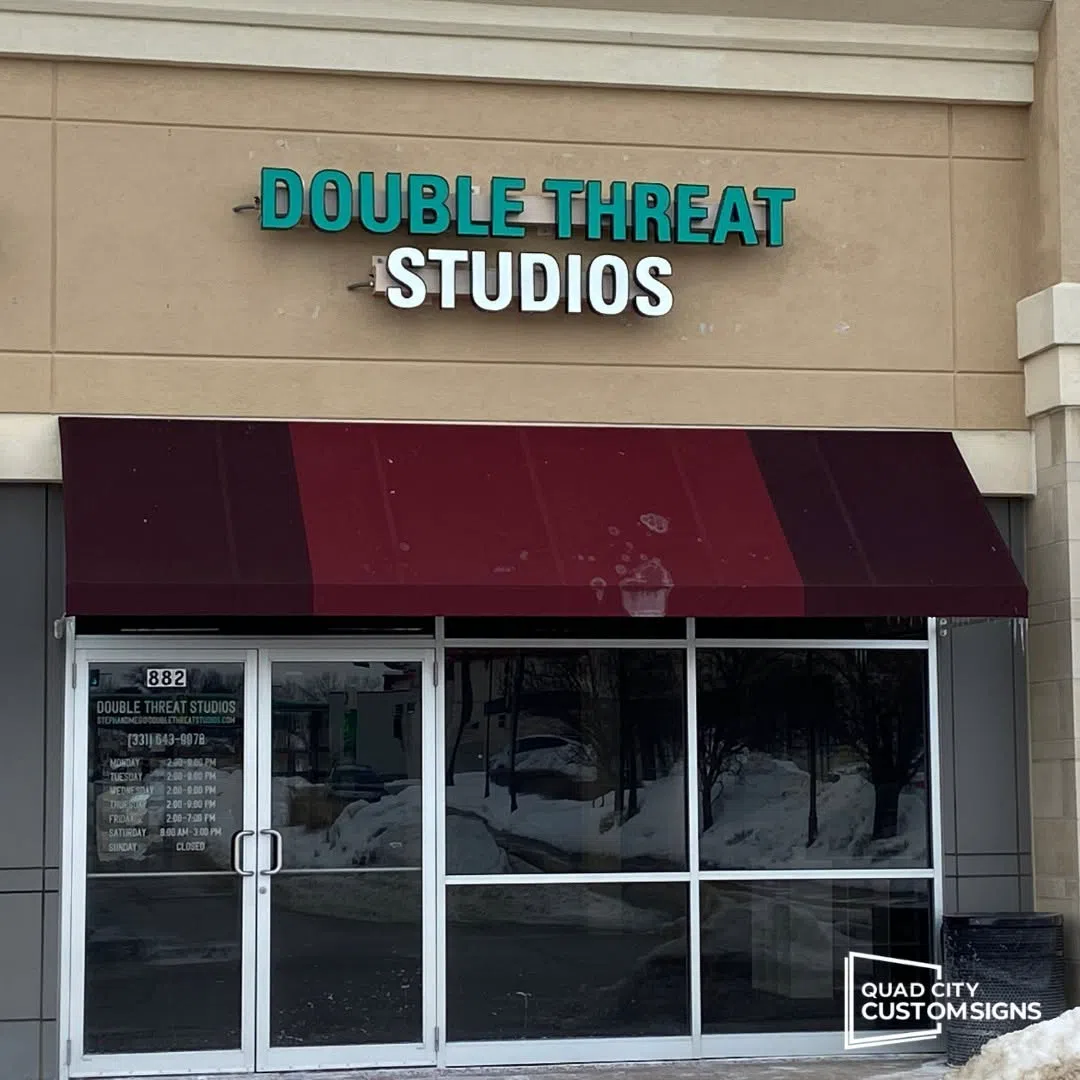
A business sign is more than a way to display a company name. It can help customers identify a location, communicate a brand message, improve visibility, and create a professional first impression. For many businesses, signage is one of the first forms of advertising customers encounter before they ever walk through the door.
Choosing the right business signs requires more than selecting an attractive design. Business owners need to consider the location, viewing distance, building architecture, local regulations, materials, lighting, maintenance, and budget.
This guide explains the major types of business signage, common materials, cost factors, and practical design considerations to help you make a more informed decision.
Key Takeaway: The best business sign balances visibility, brand identity, durability, location requirements, and cost rather than simply choosing the largest or most elaborate option.
What Are Business Signs?
Business signs are physical signs used to identify, promote, direct, or provide information about a company, organization, or commercial property.
They can be installed indoors or outdoors and may serve different purposes.
Common examples include:
Storefront signs
Monument signs
Pylon signs
Cabinet signs
Dimensional lettering
Wayfinding signs
Window graphics
Wall signs
ADA signs
Temporary promotional signs
The appropriate sign depends heavily on where the business is located and what customers need to see.
Types of Business Signs
1. Storefront Signs
Storefront signs are designed to identify businesses from the street or sidewalk.
They can include dimensional lettering, channel letters, illuminated cabinets, printed panels, or other custom configurations.
For retail stores, restaurants, salons, and professional businesses, a storefront sign is often one of the most important visibility tools.
2. Channel Letter Signs
Channel letters are individual three-dimensional letters commonly installed on building exteriors.
They can be illuminated from the face, back, or through other lighting configurations depending on the design.
They are particularly useful for businesses that want strong visibility after dark while maintaining a clean, professional appearance.
3. Monument Signs
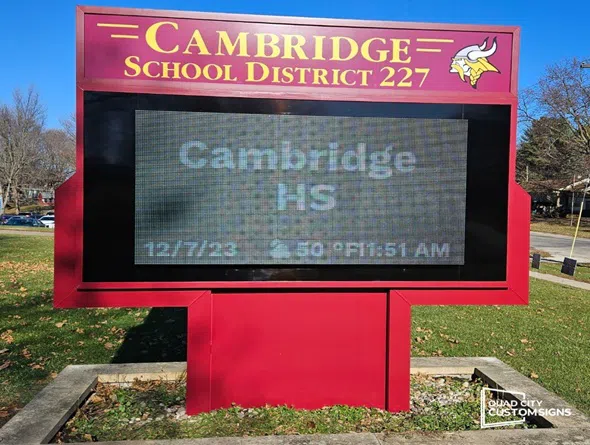
Monument signs are freestanding signs positioned close to the ground, often near a property's entrance.
They can be constructed from brick, stone, aluminum, concrete, stucco, or composite materials.
They are commonly used for:
Office buildings
Medical facilities
Retail centers
Apartment communities
Banks
Schools
Multi-tenant properties
4. Pylon Signs
Pylon signs are taller freestanding structures designed to provide visibility from greater distances.
They can be useful for businesses located along busy roads, shopping centers, and commercial developments where visibility from approaching traffic is important.
5. Dimensional Lettering
Dimensional letters create a three-dimensional appearance and can be manufactured from materials such as acrylic, aluminum, stainless steel, PVC, or other substrates.
They are frequently used for storefronts, reception areas, office interiors, and corporate branding.
6. Indoor Business Signs
Not every sign needs to attract customers from the road.
Indoor business signs can help visitors navigate a building and reinforce the company's branding.
Examples include:
Lobby signs
Reception signs
Office signs
Directional signs
Room identification signs
ADA signs
Safety signs
A consistent interior signage system can make a business environment feel more organized and professional.
Choosing the Right Sign for Your Business
There isn't one universal sign type that works for every company.
Start by asking where customers will encounter the sign and what information they need.
Quick Tip: Think about the customer journey. What should someone see from the road? What should they see when they reach the entrance? Where might they need directional information once inside?
A retail store may prioritize storefront visibility, while an office complex may need a monument sign, lobby sign, and interior wayfinding system.
Business Sign Materials
The material affects the sign's appearance, durability, maintenance requirements, and cost.
Aluminum
Aluminum is lightweight, versatile, and commonly used for commercial signage. It can be painted, finished, fabricated, and combined with other materials.
Acrylic
Acrylic is frequently used for indoor signs, dimensional lettering, panels, and illuminated applications. It offers a clean, contemporary appearance.
PVC and HDU
These materials can be shaped and routed into custom designs. They can be useful for dimensional lettering and detailed sign components.
Stainless Steel
Stainless steel can create a premium appearance and is often used where businesses want a sophisticated or modern aesthetic.
Wood
Wood can provide a warm, natural appearance. It is often selected for restaurants, hospitality businesses, boutiques, and brands seeking a more traditional or handcrafted look.
Stone and Brick
Stone and brick are commonly used for substantial monument signs. They can complement the architecture of office buildings, commercial developments, and professional properties.
How Much Do Business Signs Cost?
There is no single price for custom business signs because signage projects vary considerably.
The total cost can depend on:
Sign dimensions
Materials
Design complexity
Illumination
Lettering
Logo fabrication
Installation
Electrical work
Foundation requirements
Permits
Engineering
Site accessibility
Quantity of signs
For example, a simple non-illuminated interior sign will generally involve very different production requirements from a large illuminated exterior sign with structural supports.
What Should a Sign Quote Include?
When comparing proposals from sign companies, look beyond the headline price.
Ask whether the estimate includes:
Design
Fabrication
Materials
Installation
Electrical work
Permitting
Engineering
Delivery
Foundation work
Removal of existing signage
Comparing complete scopes of work provides a more accurate picture of the actual investment.
Business Sign Design Ideas
Effective sign design isn't necessarily complicated. In many situations, simplicity improves readability.
Use Strong Contrast
The business name should stand out clearly from the background.
Prioritize Important Information
Don't fill the sign with every service, phone number, website, and promotional message.
The primary message should be immediately recognizable.
Consider Viewing Distance
Letter size should be appropriate for the distance from which customers are expected to view the sign.
Match Your Brand
Use your established logo, colors, and typography where appropriate so the sign supports your overall brand identity.
Think About Day and Night Visibility
If your business operates after dark, consider whether illumination is appropriate.
Match the Architecture
A sign should look like part of the property rather than an unrelated addition.
Common Business Sign Mistakes
Making the Sign Too Small
A beautiful sign doesn't help if customers can't read it.
Using Too Much Text
Drivers and pedestrians typically don't have time to read a paragraph on a sign.
Poor Color Contrast
Low contrast can make lettering difficult to recognize.
Ignoring Local Regulations
Cities and municipalities may regulate sign dimensions, placement, lighting, and other characteristics.
Choosing Materials Without Considering Maintenance
A material may look excellent initially but require more maintenance than expected in a particular environment.
Designing Without Considering Installation
Structural support, mounting surfaces, electrical access, and foundation requirements should be considered before final fabrication.
How to Maintain Business Signs
Regular maintenance can help preserve the appearance and performance of commercial signage.
Depending on the sign type, maintenance may include:
Cleaning sign surfaces
Inspecting mounting hardware
Checking illuminated components
Replacing damaged lettering
Touching up finishes
Removing dirt and debris
Checking electrical connections
Maintaining surrounding landscaping
Exterior signs should also be inspected after severe weather, particularly when they are exposed to strong wind or heavy storms.
When Should You Replace a Business Sign?
A sign may need replacement when it becomes difficult to read, visibly damaged, outdated, or inconsistent with the company's current branding.
Replacement can also make sense when:
The business has rebranded
The building has been renovated
The existing sign has poor visibility
Lighting components frequently fail
Materials have deteriorated
The business has expanded
Current signage no longer meets applicable requirements
Sometimes a sign only needs refurbishment rather than complete replacement. A professional evaluation can help determine the most practical option.
Final Thoughts
Choosing business signs is a combination of branding, communication, design, and practical planning. The right sign should help customers recognize your business while fitting the property's architecture and meeting local requirements.
Storefront signs, channel letters, monument signs, pylon signs, dimensional lettering, indoor signs, and wayfinding systems each serve different purposes. Material selection, illumination, size, placement, and installation also affect the final result.
Rather than choosing a sign based solely on appearance or price, consider how customers will experience it—from the road to the entrance and throughout the building.
A professionally planned signage system can give your business a stronger visual identity, make the location easier to find, and create a more polished customer experience.