Deep vein thrombosis (DVT) is a vascular condition that requires timely medical attention. It occurs when a blood clot forms in a deep vein, most commonly in the leg. If left untreated, a clot can grow or potentially travel to the lungs, causing a serious complication known as pulmonary embolism. Recognizing the symptoms and seeking professional medical evaluation can make an important difference in managing the condition effectively.
People experiencing unexplained swelling, pain, tenderness, warmth, or discoloration in one leg should consider consulting a DVT Doctor in Bilaspur Chhattisgarh. These symptoms can have several causes, so proper diagnosis is essential before treatment begins. A vascular specialist may recommend clinical examination, Doppler ultrasound, blood tests, or other investigations depending on the patient's symptoms and medical history.
Recognizing the Risk Factors
Several factors can increase the likelihood of developing DVT. Prolonged periods of inactivity, long-distance travel, hospitalization, surgery, certain medical conditions, pregnancy, and a previous history of blood clots may increase risk. Some individuals may also have inherited or acquired conditions that make their blood more likely to clot.
Understanding personal risk factors is an important part of prevention. Staying physically active when appropriate, maintaining a healthy weight, following medical advice after surgery, and avoiding prolonged immobility can support better circulation. Individuals with known risk factors should discuss preventive strategies with a qualified vascular professional.
Why Specialist Evaluation Matters
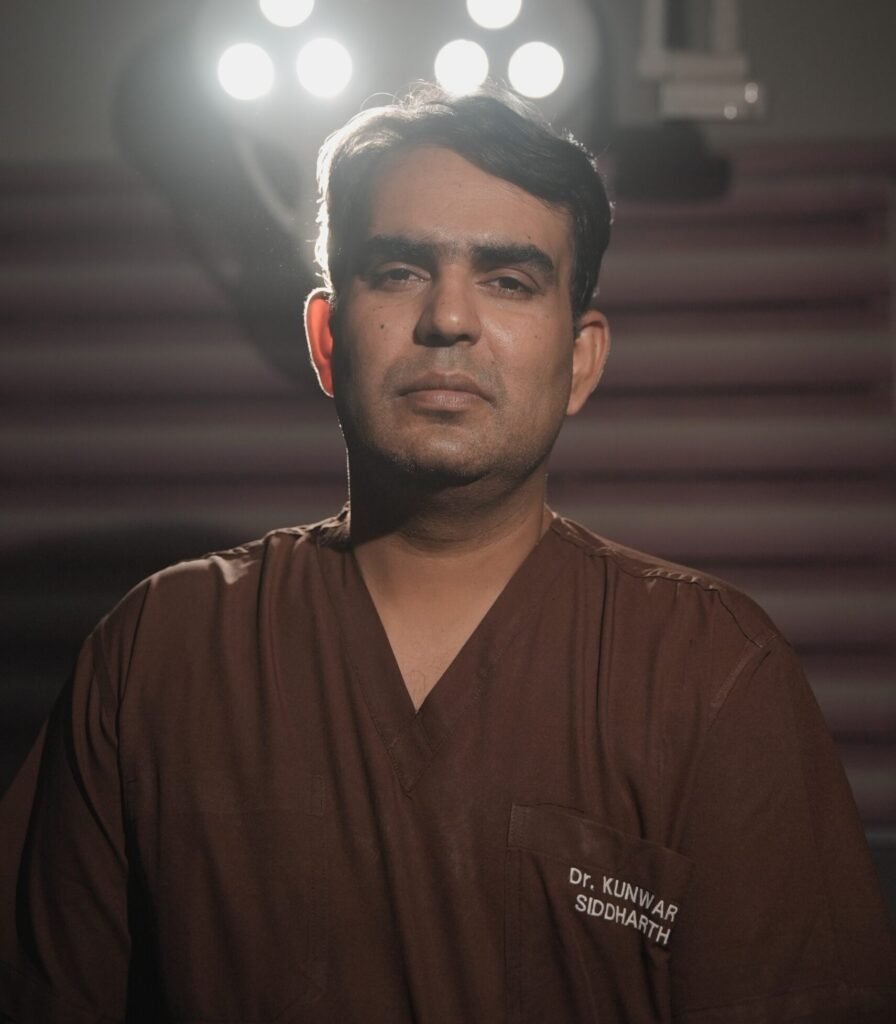
Vascular conditions can sometimes develop without obvious symptoms, which makes professional evaluation particularly important. A Best Vascular Surgeon in Bilaspur Chhattisgarh can assess circulation, identify possible vein or artery problems, and recommend an appropriate treatment plan based on the patient's individual condition.
DVT treatment varies according to the location and severity of the clot and the patient's overall health. Medical management may include anticoagulant medication, compression strategies, monitoring, and lifestyle recommendations. In selected cases, advanced procedures may be considered. Treatment should always be determined by a qualified medical professional rather than through self-medication.
Comprehensive Vascular Care
Vascular health involves more than treating blood clots. Conditions such as varicose veins, peripheral artery disease, chronic venous insufficiency, and other circulation-related problems may also require specialist attention. Early assessment can help identify underlying issues and support appropriate management.
At Sidharth Vascular, patients can seek professional guidance for vascular concerns and receive care focused on accurate assessment and individualized treatment. A specialist-led approach can help patients understand their condition, available treatment options, and the importance of follow-up care.
When Should You Seek Medical Attention?
Sudden swelling or pain in a limb should not be ignored, particularly when accompanied by warmth or skin discoloration. More serious symptoms, such as sudden shortness of breath, chest pain, coughing up blood, dizziness, or fainting, may indicate a medical emergency and require immediate emergency care.
For people concerned about circulation or possible DVT, timely consultation with Sidharth Vascular can provide an opportunity for professional evaluation and appropriate medical guidance. Vascular conditions are often easier to manage when identified early, making awareness, preventive care, and timely specialist consultation important parts of maintaining long-term vascular health.