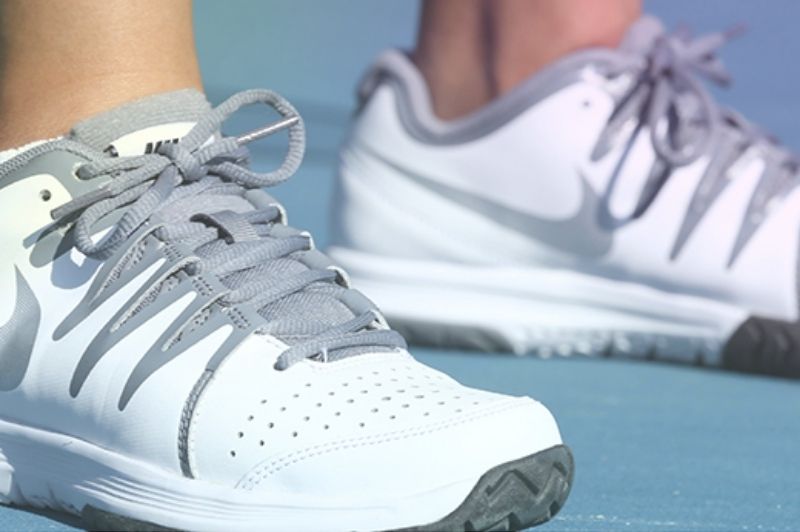
In the world of fitness and exercise, having the right gear is essential to maximize performance and prevent injuries. One such piece of gear that has gained popularity among fitness enthusiasts is the cross training shoe. Designed to cater to a wide range of activities, cross training shoes offer a versatile option for those who engage in diverse workouts. In this article, we delve into the specifics of cross training shoes, exploring their features, benefits, and how they differ from other types of athletic footwear.
What Are Cross Training Shoes?
Cross training shoes, also known as cross trainers or multi-sport shoes, are athletic shoes that are specifically designed to be used across various fitness activities. These activities can include but are not limited to, weightlifting, aerobic exercises, interval training, high-intensity workouts, and even some outdoor activities like hiking or light running. Unlike specialized shoes designed solely for a single sport, such as running shoes or basketball shoes, cross training shoes are intended to provide adequate support and comfort for a wide range of movements.
Key Features of Cross Training Shoes
- Versatility: The hallmark feature of cross training shoes is their versatility. They are engineered to offer stability and support during lateral movements, jumps, sprints, and lifts. This adaptability makes them an ideal choice for individuals who participate in multiple types of exercises.
- Support and Cushioning: Cross trainers are equipped with ample cushioning to protect the feet from impact during activities like jumping or running. They also provide lateral support to prevent the feet from rolling or twisting during lateral movements, reducing the risk of injuries.
- Durable Outsole: The outsole of cross training shoes is designed to provide traction on various surfaces, both indoor and outdoor. This durability and grip are essential for exercises that involve quick changes in direction or movements on different terrains.
- Breathability: Many cross training shoes incorporate breathable materials to keep the feet cool and comfortable during intense workouts. Adequate ventilation helps prevent moisture buildup, reducing the chances of blisters and fungal infections.
- Stability and Heel Support: These shoes often feature a wider base and a firm heel to provide stability during weightlifting exercises. This design aids in maintaining proper form and balance while lifting heavy weights.
Benefits of Cross Training Shoes
- Time and Cost-Efficient: For individuals who engage in a variety of physical activities, investing in separate shoes for each sport can be both time-consuming and costly. Cross training shoes eliminate the need for multiple pairs of specialized footwear.
- Convenience: Whether you're hitting the gym for a circuit training session, taking a dance class, or participating in a boot camp, cross training shoes have you covered. Their adaptability saves you the hassle of changing shoes for different workouts.
- Injury Prevention: The combination of support, cushioning, and stability in cross training shoes helps reduce the risk of injuries that can arise from improper footwear during dynamic movements.
- Enhanced Performance: The well-rounded design of cross trainers caters to a mix of activities, allowing you to perform optimally in various exercises without being hindered by inadequate footwear.
Differentiating Cross Training Shoes from Other Athletic Shoes
It's important to note the distinctions between cross Can Running Shoes Be Used For Tennis training shoes and other types of athletic footwear:
- Running Shoes: Running shoes are primarily designed for forward motion and repetitive heel-to-toe movements. While they offer ample cushioning for shock absorption during running, they lack the lateral support required for lateral movements common in cross training.
- Weightlifting Shoes: Weightlifting shoes prioritize stability and a raised heel to support proper posture and form during weightlifting exercises. However, they may not provide the flexibility and cushioning needed for cardio exercises or dynamic movements.
- Sport-Specific Shoes: Shoes tailored to specific sports, like basketball or tennis, are optimized for the demands of those sports alone. They may not offer the adaptability required for a diverse range of exercises.
Conclusion
Cross training shoes stand as a versatile solution for fitness enthusiasts who engage in a mix of physical activities. Their adaptability, support, cushioning, and durability make them an ideal choice for those looking to maximize performance and minimize the risk of injuries across a diverse range of workouts. By understanding the key features, benefits, and distinctions from other athletic footwear, individuals can make informed decisions about incorporating cross training shoes into their fitness regimen, allowing them to step confidently into any exercise routine.