In the pharmaceutical industry, understanding the distinction between active ingredients, intermediates, and finished products is essential for manufacturers, procurement teams, and healthcare businesses. This is especially important for antihistamines like Bilastine, which are widely used in treating allergic conditions.
To understand the pharmaceutical supply chain clearly, it is important to differentiate between Bilastine API (Active Pharmaceutical Ingredient), Bilastine intermediates, and finished dosage forms. Each stage plays a unique and critical role in drug development, manufacturing, and delivery to patients.
This guide explains these differences in a simple and practical way while emphasizing the importance of Bilastine intermediates manufacturers in India in maintaining a reliable supply chain.
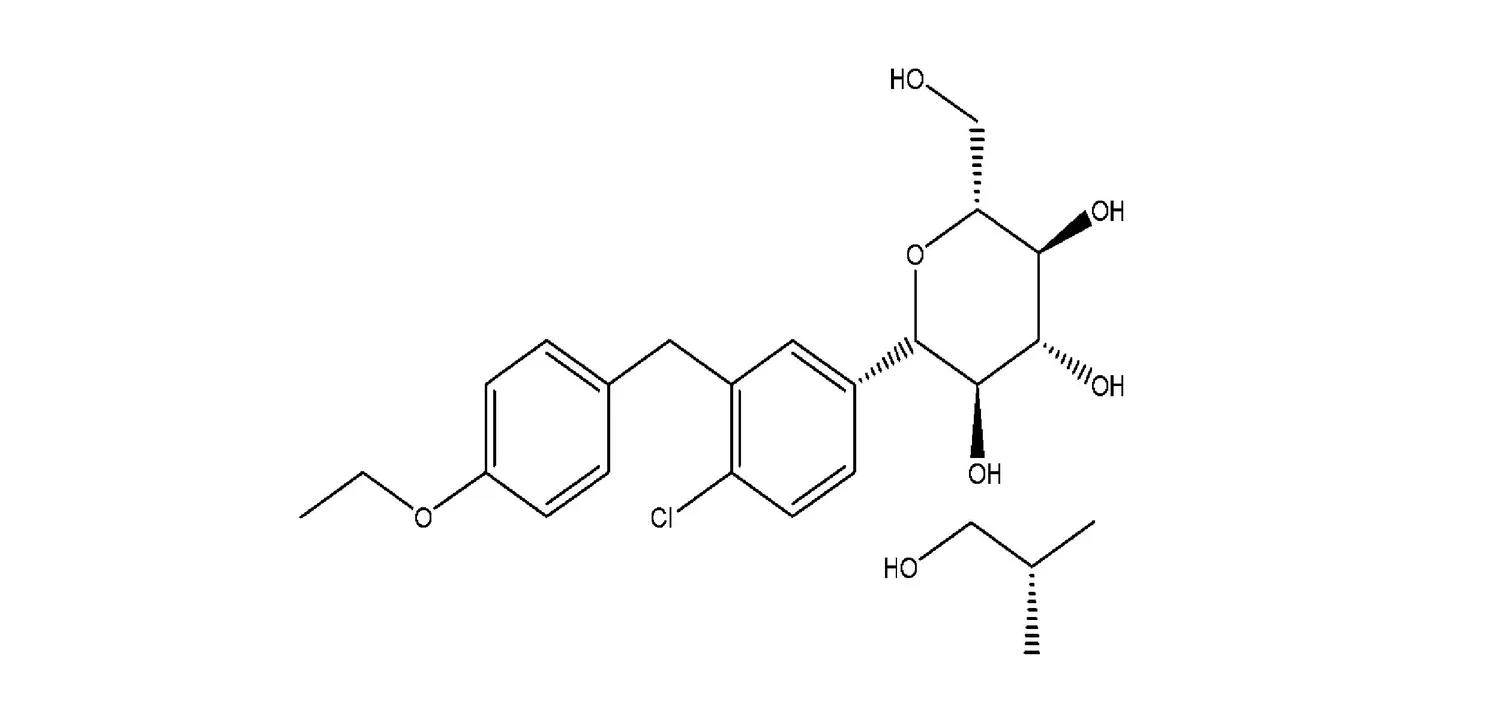
What is Bilastine?
Bilastine is a second-generation antihistamine commonly used to treat allergic rhinitis and urticaria. It is preferred because it provides effective relief without causing significant drowsiness, unlike older antihistamines.
However, before Bilastine reaches patients in the form of tablets or syrups, it goes through multiple stages of chemical processing and formulation.
What Are Bilastine Intermediates?
Bilastine intermediates are chemical compounds formed during the step-by-step synthesis of the final Bilastine API. These substances are not therapeutically active but are essential for building the final active molecule.
In simple terms, intermediates act as the foundation of the drug manufacturing process. They are produced in controlled environments and undergo further chemical reactions before becoming the final API.
These intermediates are not suitable for direct medical use. Their primary purpose is to serve as transitional compounds that lead to the creation of the active drug.
The quality of intermediates significantly influences the purity, efficiency, and cost of the final product. This is why pharmaceutical companies rely heavily on trusted Bilastine intermediates manufacturers in India to ensure consistent quality and reliable supply.
What is Bilastine API?
The Active Pharmaceutical Ingredient, or API, is the core component responsible for the therapeutic effect of a drug. In the case of Bilastine, the API is the purified compound that directly treats allergy symptoms.
After multiple chemical processes involving intermediates, the final API is obtained in a highly refined and controlled form. This stage requires strict adherence to pharmaceutical standards and regulatory guidelines.
Bilastine API must meet international quality benchmarks such as pharmacopeial standards. It is manufactured under strict Good Manufacturing Practices (GMP) to ensure safety, consistency, and effectiveness.
Unlike intermediates, the API is biologically active, but it is still not consumed directly by patients. It must first be converted into a usable form.
What Are Finished Dosage Forms?
Finished dosage forms are the final stage of pharmaceutical production. These are the products that patients actually consume.
In this stage, the Bilastine API is combined with excipients, which are inactive ingredients that help stabilize the drug, improve absorption, and enhance shelf life. The mixture is then processed into forms such as tablets, capsules, or liquid syrups.
Finished dosage forms are carefully tested for safety, stability, and efficacy before being approved for market distribution. They are packaged, labeled, and made ready for patient use.
Key Differences Explained in Simple Terms
The difference between intermediates, API, and finished dosage forms can be understood as a progression.
Intermediates are the early-stage chemical compounds created during the synthesis process. They are inactive and exist only to help build the final drug molecule.
The API is the result of refining these intermediates into a pure and active compound. It is responsible for the actual therapeutic effect but still requires formulation.
Finished dosage forms are the final products that contain the API along with other ingredients, making them safe and convenient for patient use.
Each stage builds upon the previous one, and the quality at every step directly impacts the final product.
Why Intermediates Are Critical in the Supply Chain
Although APIs and finished medicines often receive more attention, intermediates are the backbone of pharmaceutical manufacturing.
First, they directly influence the quality of the API. Any impurity or inconsistency at the intermediate stage can affect the final drug.
Second, efficient production of intermediates helps reduce manufacturing costs. This ultimately makes medications more affordable for patients worldwide.
Third, a steady supply of high-quality intermediates ensures uninterrupted production. This is especially important for large-scale pharmaceutical operations.
This is why Bilastine intermediates manufacturers in India play such a crucial role in supporting both domestic and global pharmaceutical industries.
India’s Role in Bilastine Manufacturing
India has established itself as a global leader in pharmaceutical manufacturing, particularly in the production of intermediates and APIs.
One of the key strengths of Indian manufacturers is their ability to produce high-quality intermediates at scale using advanced technologies. In addition, many facilities comply with international regulatory standards such as WHO-GMP and USFDA.
Cost efficiency is another major advantage. Indian companies are able to offer competitive pricing without compromising on quality.
India also has a strong export network, supplying pharmaceutical intermediates and APIs to countries around the world. Because of these strengths, Bilastine intermediates manufacturers in India are considered reliable partners for global pharmaceutical companies.
How the Three Stages Work Together
The journey from raw chemicals to a finished medicine follows a structured path.
It begins with intermediates, which are synthesized through chemical reactions. These intermediates are then refined and processed into the Bilastine API. Finally, the API is formulated into finished dosage forms that patients can safely consume.
Each stage is interconnected. A problem in the intermediate stage can disrupt API production, which in turn can delay the availability of finished medicines.
Choosing the Right Manufacturing Partner
For pharmaceutical companies, selecting the right supplier is essential for maintaining quality and consistency.
Key factors to consider include certifications such as GMP and ISO, production capacity, technical expertise, and a strong regulatory track record.
Working with experienced Bilastine intermediates manufacturers in India helps ensure that all these requirements are met, resulting in reliable and efficient pharmaceutical production.
Conclusion
Understanding the difference between Bilastine intermediates, API, and finished dosage forms is essential for anyone involved in the pharmaceutical industry. Each stage serves a distinct purpose, from chemical synthesis to patient-ready medication.
Intermediates form the foundation, APIs provide the therapeutic effect, and finished dosage forms deliver the medicine in a usable format.
India continues to play a key role in this ecosystem by offering high-quality manufacturing, cost advantages, and global compliance. By partnering with trusted Bilastine intermediates manufacturers in India, pharmaceutical companies can ensure consistent quality, efficient production, and long-term success in a competitive global market.
If you're looking to strengthen your pharmaceutical supply chain, understanding these differences is the first step toward making better sourcing and manufacturing decisions.
Other Recommendations: Bilastine manufacturers in India