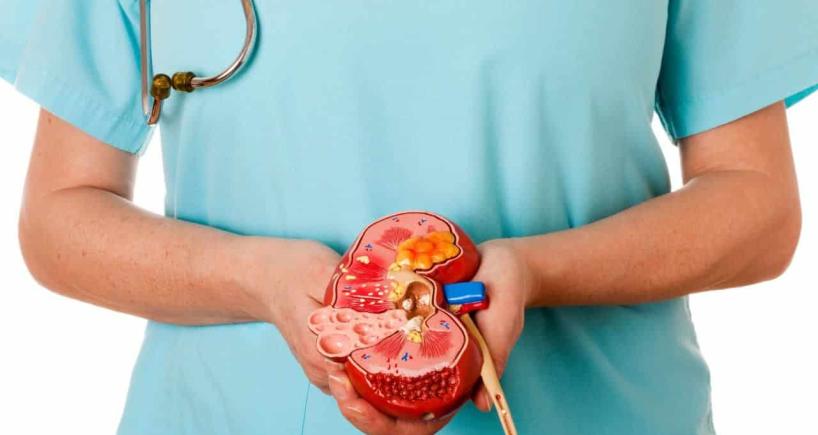
Kidney stones are hard deposits made of minerals and salts that form inside your kidneys. They can affect any part of your urinary tract, from your kidneys to your bladder. Often, stones form when the urine becomes concentrated, allowing minerals to crystallize and stick together. Understanding the causes, symptoms, diagnosis, and treatment options is essential for managing this common health issue. In this blog, we will also explore prevention and lifestyle modifications to reduce the risk of developing kidney stones, with insights from Fortis Chirag Enclave.
Causes and Risk Factors of Kidney Stones
Several factors can lead to the formation of kidney stones. Common causes and risk factors include:
1.Dehydration: Not drinking enough water can cause your urine to become highly concentrated, making it easier for minerals to crystallize and form stones.
2. Diet: High intake of sodium, protein, and sugar can increase the risk of certain types of kidney stones.
3. Obesity: High body mass index (BMI), large waist size, and weight gain are linked to an increased risk of kidney stones.
4. Medical Conditions: Certain medical conditions, such as hyperparathyroidism, gout, and urinary tract infections, can increase the risk.
5. Family History: If someone in your family has had kidney stones, you are more likely to develop them.
6. Digestive Diseases: Conditions like Crohn's disease or gastric bypass surgery can affect your absorption of calcium and water, raising your kidney stone risk.
Symptoms of Kidney Stones
Kidney stones can cause severe pain, typically felt in the side and back, below the ribs. Other symptoms include:
1. Pain During Urination: Sharp pain or a burning sensation while urinating.
2. Blood in Urine: Pink, red, or brown urine.
3. Frequent Urination: A persistent need to urinate more often than usual.
4. Nausea and Vomiting: Often due to the intense pain.
5. Cloudy or Foul-Smelling Urine: Indicating a possible infection.
6. Fever and Chills: Usually a sign of an infection in the urinary tract.
Diagnosis of Kidney Stones
Diagnosing kidney stones involves several tests and procedures:
1.Imaging Tests: Non-contrast CT scans are the most effective way to detect kidney stones. Ultrasound is another method used to identify stones.
2. Blood Tests: To check calcium or uric acid levels, which can indicate the presence of kidney stones.
3. Urine Tests: 24-hour urine collection to identify excess minerals that cause stones.
4. Analysis of Passed Stones: If you've passed a stone, it can be collected and analyzed to determine its type.
Treatment Options for Kidney Stones
Treatment for kidney stones varies depending on their size and type. Options include:
1.Hydration: Drinking lots of water can help flush out small stones.
2. Medication: Pain relievers, alpha-blockers to relax the muscles in your ureter, or medications to prevent stone formation.
3. Extracorporeal Shock Wave Lithotripsy (ESWL): Uses sound waves to break stones into small pieces that can be passed in your urine.
4. Ureteroscopy: A thin scope inserted through the urethra and bladder to the ureter to remove stones.
5. Percutaneous Nephrolithotomy: Surgical removal of very large stones through a small incision in your back.
Prevention & Lifestyle Modifications
Preventing kidney stones involves dietary and lifestyle changes:
1.Stay Hydrated: Drink at least 8-10 glasses of water a day.
2. Limit Salt and Animal Protein: Reduce intake of sodium and animal protein.
3. Eat Calcium-Rich Foods: Adequate calcium intake can reduce the risk of stone formation.
4. Avoid Oxalate-Rich Foods: Limit foods high in oxalates, such as spinach, nuts, and tea.
5. Maintain a Healthy Weight: Obesity increases the risk of kidney stones.
Conclusion
Kidney stones are a common yet painful condition, but understanding their causes, symptoms, and treatment options can help manage and prevent them effectively. Fortis Chirag Enclave offers comprehensive care and advanced treatments for kidney stones, ensuring patients receive the best possible outcomes. By adopting healthy lifestyle habits and staying informed, you can significantly reduce your risk of developing kidney stones.