In the dynamic world of vehicle maintenance and repair, precision is no longer optional — it's essential. Modern driving demands more than just fuel efficiency and high speed. Vehicle owners, fleet managers, and mechanics all understand that safety and performance go hand in hand. One piece of equipment that plays a critical role in ensuring both is the wheel aligner.
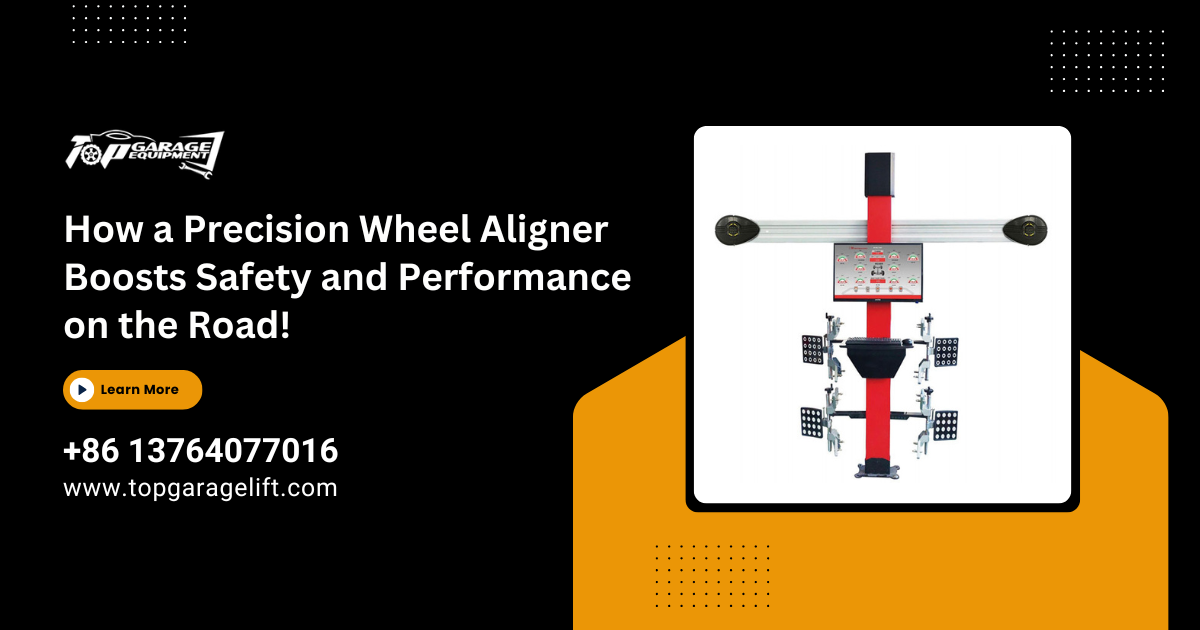
Whether you’re operating a family sedan, a logistics truck, or a high-performance sports car, proper wheel alignment is crucial. Misaligned wheels can lead to uneven tire wear, poor handling, increased fuel consumption, and — most concerning of all — compromised safety on the road. This is where a precision wheel aligner makes all the difference.
Shanghai Fanbao Automobile Maintenance Equipment Co., Ltd. is a trusted name in the automotive service equipment industry, offering advanced wheel alignment solutions designed for both speed and accuracy. With decades of experience in manufacturing cutting-edge garage equipment, Shanghai Fanbao is at the forefront of technological innovation, providing precision-engineered wheel aligners that ensure vehicles not only drive smoothly but also adhere strictly to safety standards.
The Fundamentals of Wheel Alignment
Wheel alignment refers to the adjustment of a vehicle’s suspension, not just the wheels or tires. It involves fine-tuning the angles at which the tires come into contact with the road. The three main alignment angles are:
- Camber – the inward or outward angle of the tire when viewed from the front
- Toe – the extent to which tires turn inward or outward when viewed from above
- Caster – the angle of the steering axis when viewed from the side of the vehicle
Each of these angles affects tire wear, handling, steering response, and overall vehicle behavior. If any alignment parameter is off, it could compromise safety, fuel efficiency, and driving comfort.
The Role of a Precision Wheel Aligner
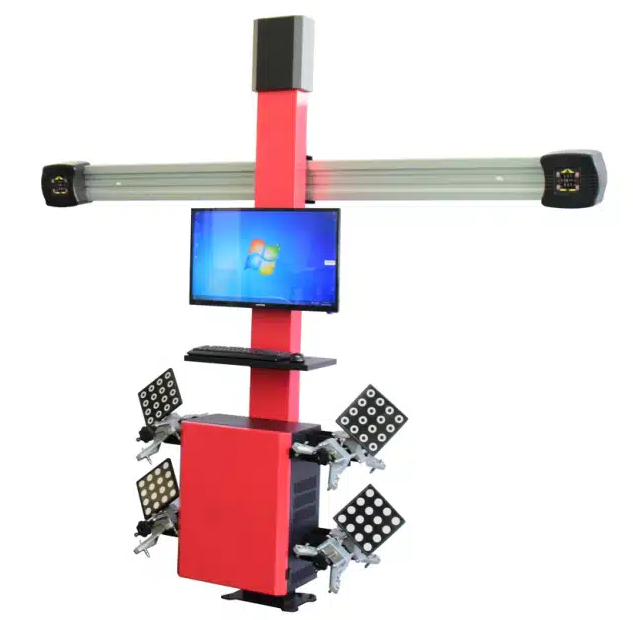
A wheel aligner is a diagnostic and adjustment system that helps technicians accurately measure wheel angles and make precise corrections. Here’s how a precision aligner impacts performance:
a) Accurate Diagnosis
With high-accuracy sensors and real-time data, a premium wheel aligner detects even the slightest deviation from OEM specifications.
b) Comprehensive Analysis
Modern systems like those from Shanghai Fanbao Automobile Maintenance Equipment Co., Ltd. offer 3D or CCD imaging technologies, which create detailed visualization and digital reports for each wheel.
c) Speed and Efficiency
Precision equipment reduces alignment time significantly, allowing professionals to handle more vehicles without compromising accuracy.
d) Enhanced Driving Safety
Proper alignment ensures the vehicle drives straight without unnecessary drift, minimizes the chances of tire blowouts, and improves emergency control.
Why Alignment Matters More Than Ever
Vehicle design has evolved. With lighter materials, tighter suspension setups, wider tires, and advanced traction systems, vehicles are highly sensitive to alignment issues. Here’s how alignment affects modern driving:
- Tire Longevity: Misalignment causes uneven wear patterns, potentially costing hundreds in premature tire replacements.
- Fuel Efficiency: A poorly aligned vehicle works harder, consuming more fuel.
- Braking Efficiency: Alignment affects braking symmetry, making it essential for safe stopping.
- Steering Response: Correct alignment ensures prompt, predictable steering, critical in emergency maneuvers.
<iframe width="1214" height="683" src="https://www.youtube.com/embed/S9uMplI020c" title="Car Lift Factory" frameborder="0" allow="accelerometer; autoplay; clipboard-write; encrypted-media; gyroscope; picture-in-picture; web-share" referrerpolicy="strict-origin-when-cross-origin" allowfullscreen></iframe>Spotlight on Shanghai Fanbao’s Wheel Aligner Technology
Shanghai Fanbao has established itself as a global leader in wheel aligner manufacturing thanks to continuous technological advancement, stringent quality control, and customer-centered innovation.
a) Advanced Measurement System
Fanbao aligners use automated camera systems for dynamic, 3D measurements — eliminating guesswork and ensuring world-class precision.
b) User-Friendly Interface
Designed with usability in mind, Fanbao wheel aligners feature touch-screen input, intuitive software, and multilingual support, making them ideal for busy shops and dealerships.
c) Compatibility and Flexibility
From compact cars to SUVs and commercial trucks, Shanghai Fanbao wheel aligners are adaptable for various sizes and suspension geometries.
d) Solid Build Quality
Constructed from high-grade components, these aligners are built to withstand demanding workshop environments while delivering consistent results.
How Precision Alignment Translates to Better Performance
Moving from theory to practice, here's how a precision wheel aligner improves vehicle performance in real-world scenarios:
✅ Straight-Line Stability
With properly aligned wheels, your car maintains direction even on high-speed highways. This boosts driver confidence and reduces fatigue.
✅ Cornering and Handling
In performance vehicles or racing applications, alignment affects corner entry, apex speed, and overall handling stability. Precision here is a must.
✅ Braking Consistency
Even force distribution across all tires contributes to efficient, stable braking, critical in city driving and wet conditions.
✅ Reduced Vibration and Noise
Drivers often blame shocks or tires for road noise, but alignment can be the real culprit. Correcting it leads to a smoother, quieter ride.
✅ Cost Reduction
Improved tire wear means less frequent tire purchases, fewer repairs due to suspension problems, and lower fuel costs — it’s a win across the board.
Applications Across Industries
Shanghai Fanbao’s wheel aligners are designed with scalability in mind. Here’s where precision alignment plays a major role:
- Retail Auto Shops – Maximize customer satisfaction and reduce returns due to handling complaints
- Fleet Depots & Commercial – Ensure long-haul vehicle alignment, optimizing fuel and operating costs
- Motor Sports – Essential for performance tuning and race-day prep
- OEM Dealerships – Maintain branded service quality standards
- Government Crash Repair Facilities – Ensure road legality of repaired vehicles
Choosing the Right Wheel Aligner: A Checklist
Before investing in a wheel aligner, ask yourself the following:
✅ Does it support 3D or CCD technology?
✅ Is the software regularly updated with global vehicle data?
✅ Can it calibrate easily with in-house tools?
✅ Is the manufacturer known for reliable support and warranty?
✅ Can it handle the types of vehicles you service most frequently?
✅ Is it built to last in a high-use environment?
Shanghai Fanbao Automobile Maintenance Equipment Co., Ltd. provides transparent product catalogs and offers consultations to ensure buyers get exactly what they need — without overspending or compromising on quality.
As vehicles become smarter and faster, the demand for precision in maintenance tools becomes equally critical. A high-quality wheel aligner ensures the safety, longevity, and optimal performance of every vehicle on the road.
Frequently Asked Questions
Q1. How often should a vehicle undergo wheel alignment?
Typically, alignment should be checked every 6,000 to 10,000 km, or whenever you replace tires, notice uneven wear, or experience drifting or steering wheel vibration.
Q2. Can I use a wheel aligner at home?
Technically yes, if you have a home garage with space and budget for professional tools. Shanghai Fanbao offers compact versions suitable for DIY enthusiasts and home-based garages.
Q3. Is a laser aligner better than a CCD aligner?
CCD (Charged Coupled Device) and 3D systems are generally more accurate and user-friendly than laser-based systems, which have fallen behind in today’s tech landscape.
Q4. How long does wheel alignment take?
With a precision wheel aligner, alignment can be completed in 15–30 minutes, depending on issues identified and the technician’s experience.
Q5. What types of vehicles can be serviced using Shanghai Fanbao's wheel aligner?
Their systems support a wide range — from sedans and light trucks to larger commercial vehicles and SUVs.
Q6. What warranty does Shanghai Fanbao offer on wheel aligners?
Most models come with a 2–3 year warranty, depending on the region and specific unit purchased.
Q7. Can a wheel aligner help reduce fuel consumption?
Absolutely. Misaligned wheels cause drag, resulting in higher fuel usage. Regular alignment can improve efficiency by up to 10%.