Heating, ventilation, and air conditioning (HVAC) systems are essential for maintaining indoor comfort throughout the year. These systems regulate temperature, control humidity, and ensure proper air circulation. However, like any mechanical system, HVAC units can develop issues over time due to continuous use, environmental factors, and aging components. Understanding how HVAC repairs work and why they are necessary can help property owners maintain efficient and reliable systems.
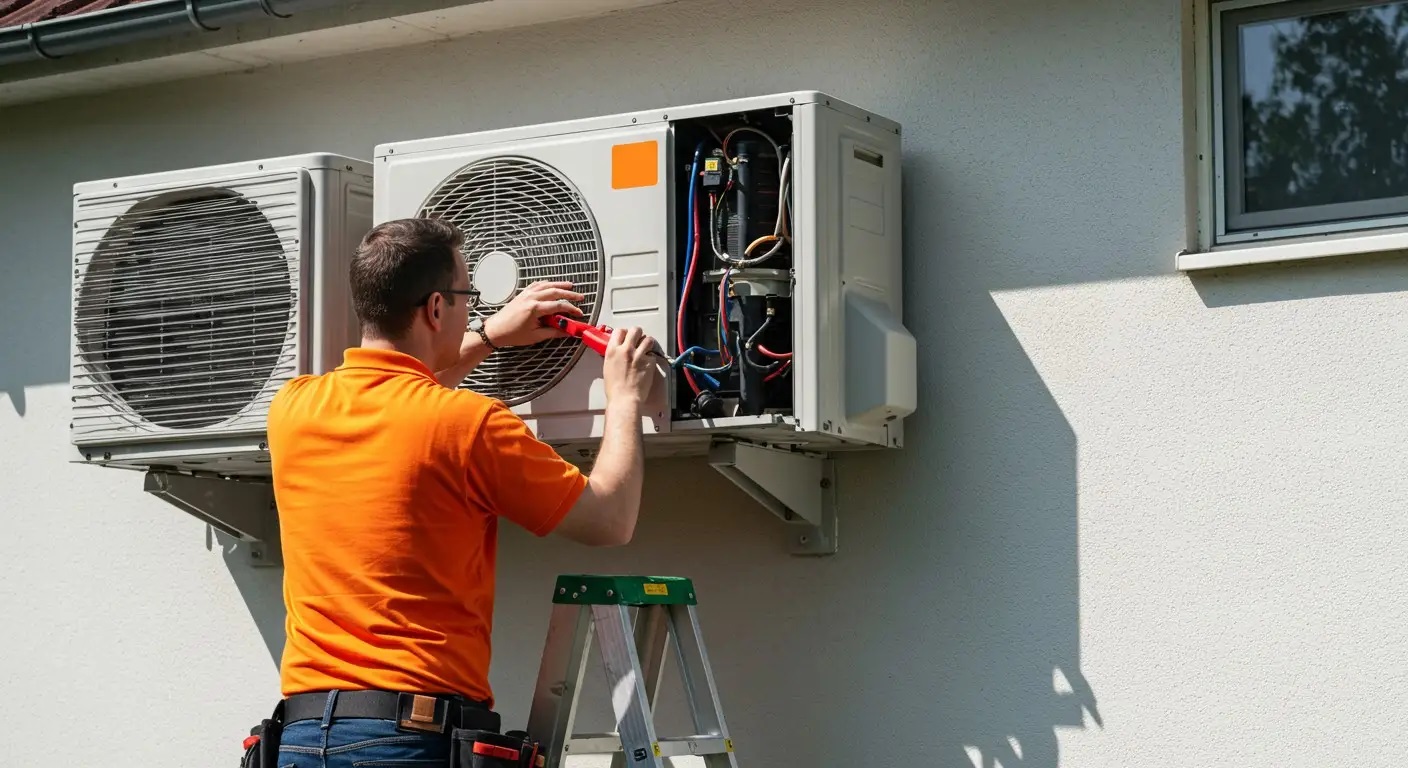
How HVAC Systems Function
An HVAC system is designed to provide both heating and cooling through a combination of components working together. These include:
- Air conditioners for cooling
- Furnaces or heat pumps for heating
- Ductwork for air distribution
- Thermostats for temperature control
Each component must function properly to maintain a comfortable indoor environment. When one part fails, it can affect the entire system.
Common Causes of HVAC System Issues
HVAC systems experience wear and tear over time, especially in areas where they are used frequently. Some common causes of system problems include:
- Dirty or clogged air filters
- Electrical component failures
- Refrigerant leaks
- Blocked or damaged ductwork
- Lack of routine maintenance
These issues can reduce efficiency and lead to more serious problems if not addressed promptly.
Signs That an HVAC System Needs Repair
Recognizing early warning signs can prevent costly breakdowns and ensure consistent performance. Some indicators that a system may need attention include:
- Uneven temperatures throughout the building
- Weak airflow from vents
- Unusual noises such as banging or rattling
- Increased energy bills without increased usage
- Frequent system cycling
Addressing these signs early helps maintain system efficiency and prevents further damage.
The HVAC Repair Process Explained
Repairing an HVAC system involves a structured approach to identify and resolve issues effectively.
Initial Inspection
Technicians begin by visually inspecting the system for obvious problems such as loose connections or damaged components.
System Testing
Performance tests are conducted to evaluate airflow, temperature output, and system pressure.
Component Diagnosis
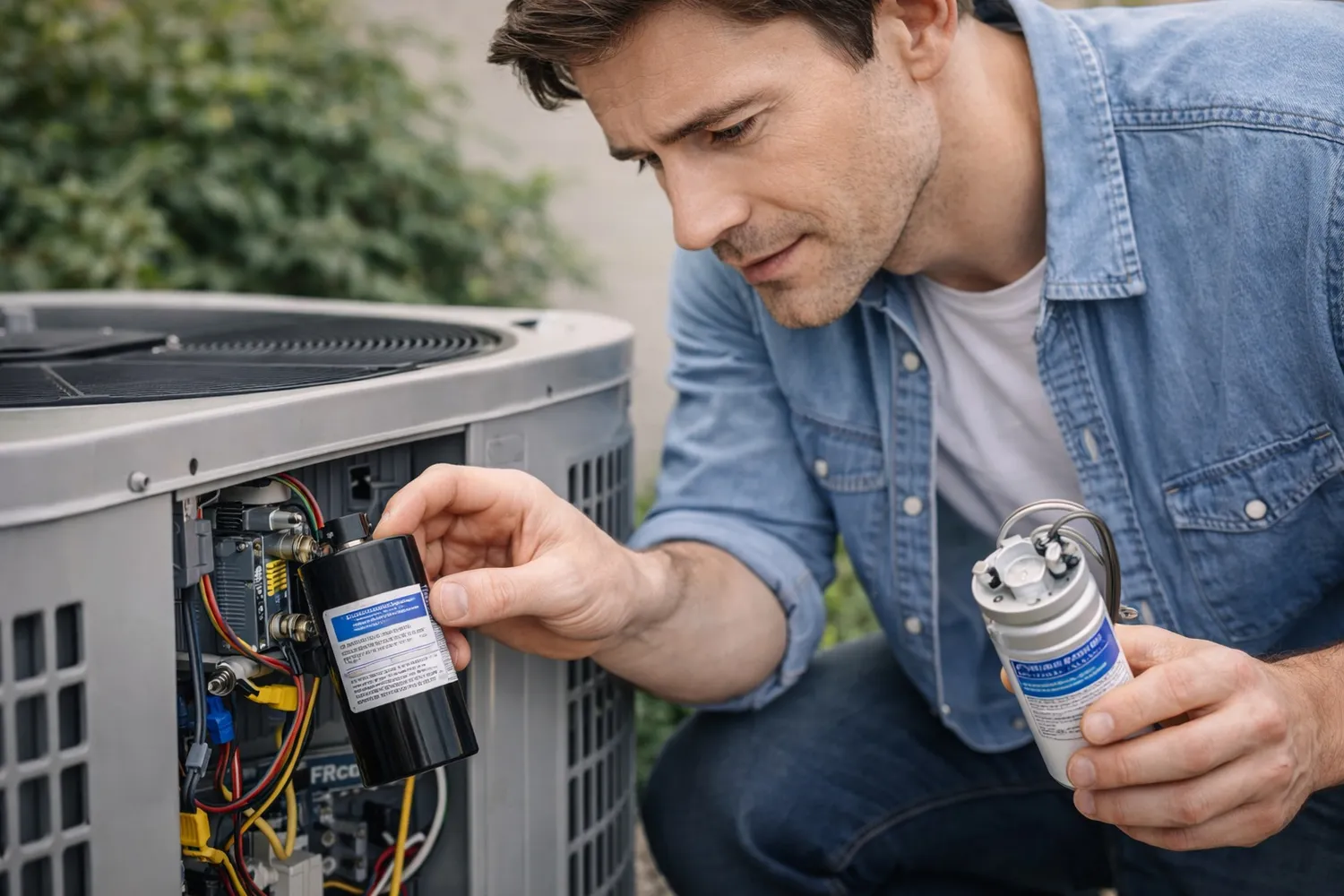
Individual components such as compressors, motors, and electrical connections are checked for faults.
Repair and Replacement
Faulty parts are repaired or replaced to restore proper system function.
This systematic approach ensures that the root cause of the problem is addressed rather than just treating symptoms.
Importance of Timely Repairs
Delaying repairs can lead to more severe issues and higher costs. Timely intervention helps:
- Prevent complete system failure
- Reduce repair expenses
- Maintain energy efficiency
- Extend the lifespan of the system
Small issues, when ignored, often escalate into major problems that require extensive repairs.
Tools and Techniques Used in HVAC Repairs
Modern HVAC repair relies on advanced tools and diagnostic equipment to improve accuracy. These include:
- Digital gauges for measuring pressure
- Thermal imaging tools for detecting heat loss
- Leak detection devices
- Electrical testing equipment
These tools allow technicians to quickly identify problems and implement effective solutions.
Impact of Environmental Factors
External conditions can significantly affect HVAC system performance. Dust, humidity, and temperature fluctuations can contribute to system wear and inefficiency.
For example:
- High humidity can strain cooling systems
- Dust buildup can restrict airflow
- Outdoor debris can block condenser units
Understanding these factors helps in maintaining system performance and reducing repair frequency.
Preventative Measures to Reduce Repairs
While repairs are sometimes unavoidable, many issues can be prevented through regular maintenance. Key preventative measures include:
- Cleaning or replacing air filters regularly
- Keeping outdoor units free from debris
- Scheduling routine inspections
- Monitoring system performance
These steps help reduce the likelihood of unexpected breakdowns.
Understanding System Lifespan
Most HVAC systems are designed to last between 10 to 20 years, depending on usage and maintenance. As systems age, they become more prone to:
- Reduced efficiency
- Frequent repairs
- Higher energy consumption
Knowing the age of the system can help determine whether repairs or replacement is the better option.
When Professional Expertise Is Necessary
While some minor issues can be addressed through basic troubleshooting, most HVAC repairs require professional expertise. Attempting complex repairs without proper knowledge can lead to:
- Safety hazards
- Further system damage
- Increased repair costs
Professional technicians have the training and tools needed to handle repairs safely and effectively.
Regional Considerations for HVAC Repairs
Climate plays a major role in how often HVAC systems require repairs. In regions with hot summers and varying weather conditions, systems often work harder, leading to increased wear and tear.
For property owners dealing with ongoing system issues, Lithonia HVAC Repair Contractors provide specialized support tailored to local environmental conditions, helping ensure systems operate efficiently throughout the year.
The Role of Regular Monitoring
Keeping track of system performance can help identify potential issues before they become serious. Monitoring factors such as:
- Energy usage
- Temperature consistency
- Frequency of repairs
can provide valuable insights into system health.
Future Trends in HVAC Repair
The HVAC industry continues to evolve with new technologies that improve repair efficiency and system performance. Some emerging trends include:
- Smart diagnostic systems with real-time alerts
- Predictive maintenance using data analytics
- Remote monitoring through mobile applications
- Energy-efficient system upgrades
These advancements aim to reduce downtime and improve overall reliability.
Conclusion
HVAC systems are complex and require proper care to function effectively. Understanding how repairs work, recognizing early warning signs, and taking preventative measures can significantly improve system performance and longevity.
By staying proactive and informed, property owners can reduce repair costs, maintain energy efficiency, and ensure a comfortable indoor environment throughout the year.