Faucets are one of the most frequently used fixtures in any home. From kitchens to bathrooms, they play a vital role in daily activities such as cooking, cleaning, and personal hygiene. Despite their importance, faucets are often overlooked until a problem arises.
Over time, wear and tear can affect how a faucet functions. Drips, leaks, and reduced water pressure are common issues that can disrupt daily routines and lead to unnecessary water waste. Understanding how faucets work and how to maintain them can help homeowners avoid these inconveniences and extend the life of their fixtures.
How Faucets Work
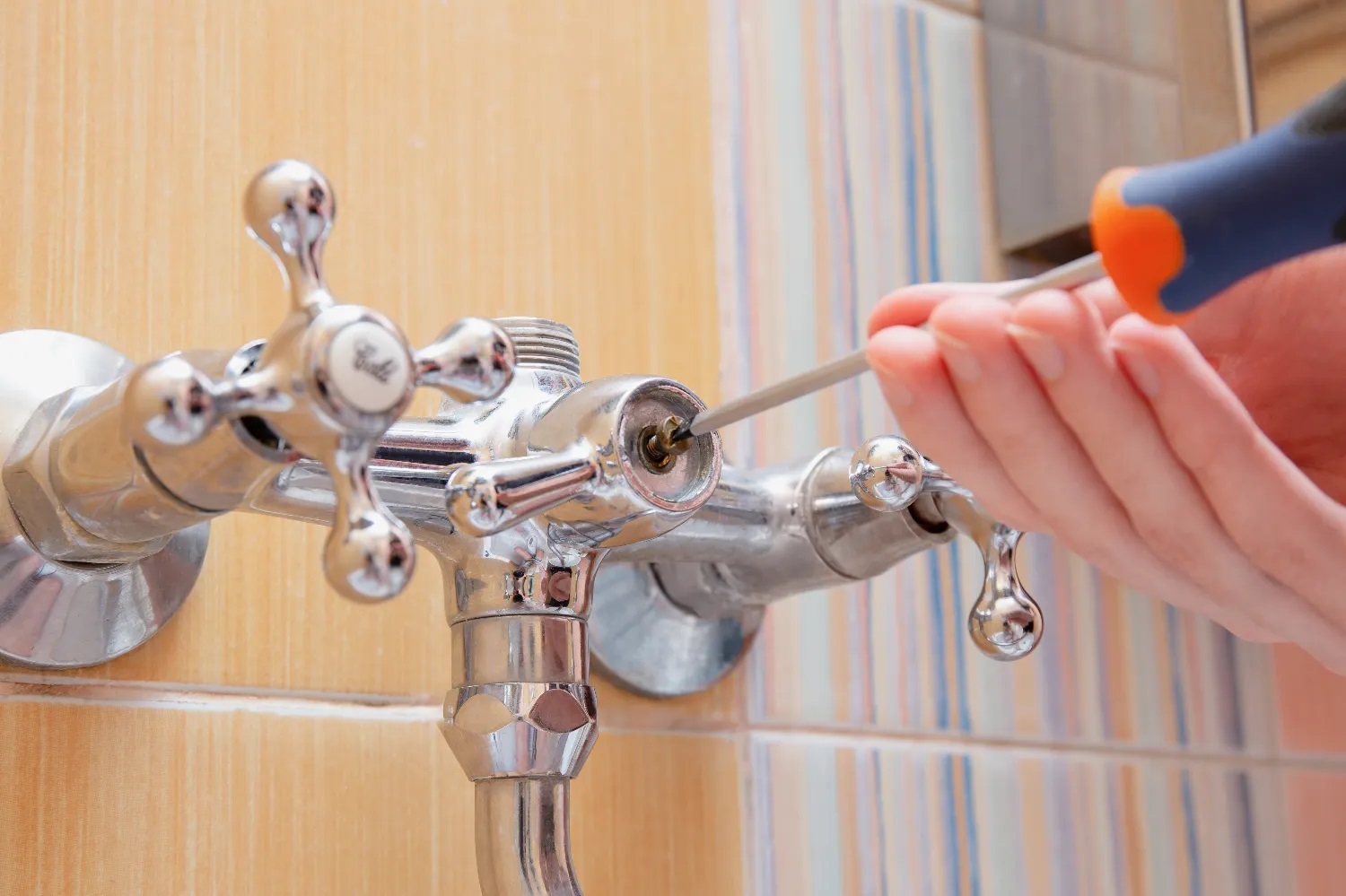
A faucet controls the flow of water from your plumbing system through a combination of internal components. While designs vary, most faucets rely on valves, cartridges, or washers to regulate water flow and temperature.
Common Types of Faucets
- Compression Faucets: Use rubber washers to control water flow
- Ball Faucets: Common in kitchens, using a rotating ball mechanism
- Cartridge Faucets: Provide smooth control with a movable cartridge
- Ceramic Disc Faucets: Known for durability and minimal leakage
Each type has its own advantages, but all require proper maintenance to function effectively.
Common Faucet Issues
Faucet problems are among the most common household plumbing concerns. Recognizing these issues early can prevent further damage.
Dripping Faucets
A constant drip is often caused by worn-out washers, seals, or cartridges. Even a slow drip can waste a significant amount of water over time.
Low Water Pressure
This may result from mineral buildup in the aerator or issues within the plumbing system.
Leaking Handles
Water leaking around the handle usually indicates a worn or damaged internal component.
Noisy Faucets
Whistling or rattling sounds can be caused by loose parts or pressure issues.
Rust and Corrosion
Over time, exposure to water can lead to corrosion, affecting both appearance and performance.
Why Timely Repairs Matter
Ignoring faucet problems can lead to more serious issues. A small leak might seem harmless, but it can increase water bills and contribute to water damage over time.
Timely repairs help:
- Conserve water
- Prevent damage to sinks and cabinets
- Maintain proper water pressure
- Extend the lifespan of the faucet
Addressing issues early is always more cost-effective than waiting for them to worsen.
Basic Faucet Maintenance Tips
Regular maintenance can keep faucets functioning smoothly and reduce the likelihood of problems.
Clean the Aerator
Mineral deposits can clog the aerator, reducing water flow. Removing and cleaning it periodically can restore pressure.
Check for Leaks
Inspect faucets regularly for signs of dripping or moisture around the base.
Avoid Over-Tightening
Turning faucets off too forcefully can wear out internal components more quickly.
Use Gentle Cleaners
Harsh chemicals can damage finishes and internal parts. Mild cleaning solutions are usually sufficient.
Consistent care can make a noticeable difference in both performance and longevity.
Repair vs. Replacement
At some point, homeowners may need to decide whether to repair or replace a faucet.
When to Repair
- Minor leaks or drips
- Replaceable components like washers or cartridges
- Relatively new fixtures
When to Replace
- Frequent recurring issues
- Visible corrosion or damage
- Outdated design or poor efficiency
Making the right choice depends on the condition of the faucet and the cost of repairs compared to replacement.
Water Efficiency and Modern Faucets
Modern faucets are designed with water efficiency in mind. Many newer models include features that reduce water usage without compromising performance.
Benefits of Efficient Faucets
- Lower water bills
- Reduced environmental impact
- Improved functionality
Upgrading to a more efficient faucet can be a practical long-term investment for homeowners.
When Professional Help Is Needed
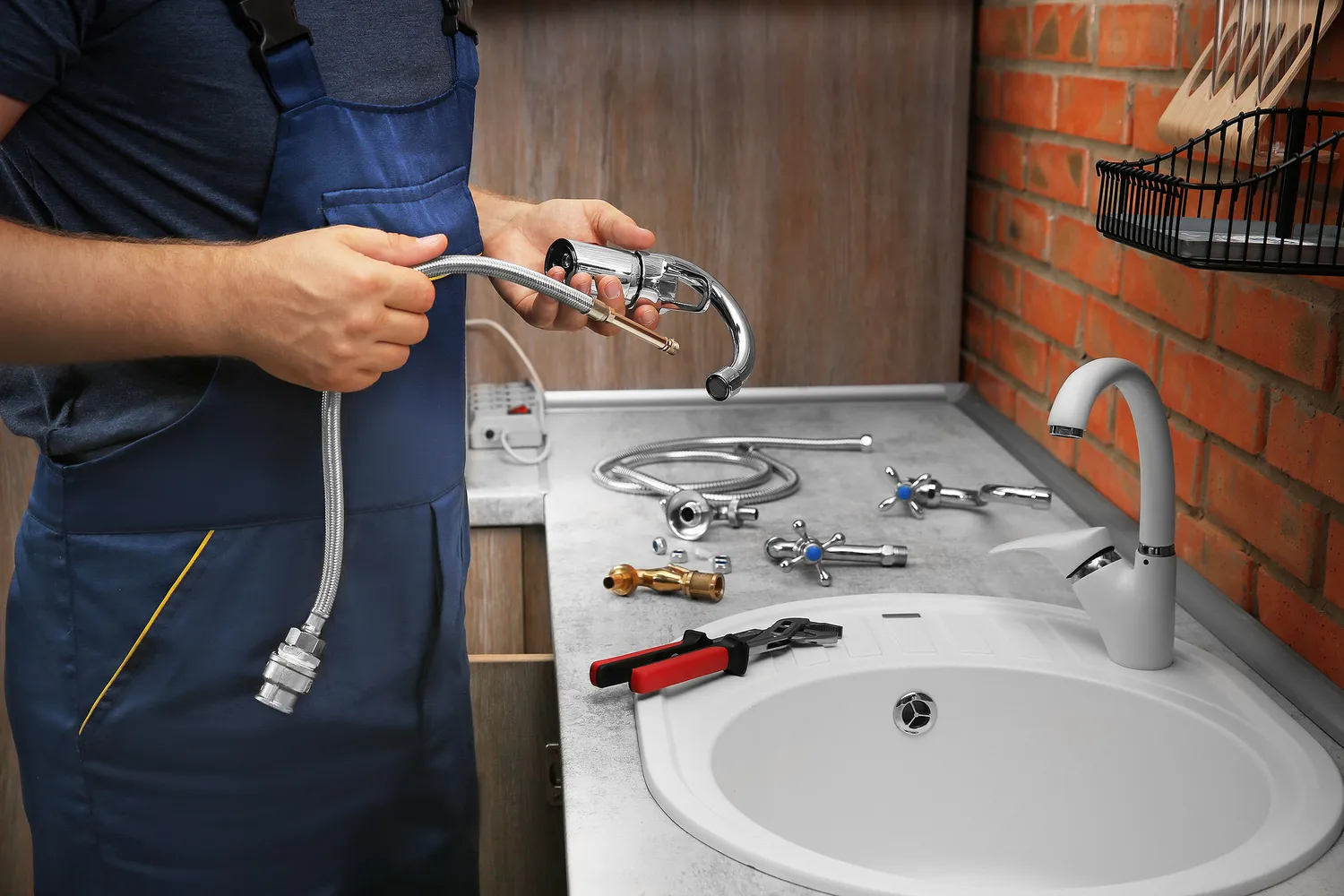
While some minor faucet issues can be handled independently, others require professional expertise. Complicated repairs, hidden leaks, or installation of new fixtures often benefit from skilled assistance.
This is where Faucet Services Oceanside, CA can help ensure that issues are resolved correctly and efficiently. Professional support can prevent further damage and provide long-lasting solutions.
Preventing Future Problems
Preventive measures can go a long way in avoiding faucet-related issues.
- Install water softeners if mineral buildup is common
- Avoid using excessive force when operating handles
- Schedule periodic inspections
- Address small issues promptly
By taking these steps, homeowners can reduce the likelihood of unexpected problems and maintain consistent performance.
Final Thoughts
Faucets are a small but essential part of any home’s plumbing system. Keeping them in good condition is important for both convenience and efficiency. By understanding how faucets work, recognizing common problems, and practicing regular maintenance, homeowners can avoid many of the issues that lead to costly repairs.
While some tasks can be handled with basic tools, knowing when to seek professional help ensures that problems are addressed properly. With the right approach, maintaining functional and efficient faucets becomes a simple and manageable part of home care.