Nestled in the heart of the Shenandoah Valley between the Blue Ridge and Allegheny Mountains, Lexington, Virginia, is a town of extraordinary character. Home to Washington and Lee University and the Virginia Military Institute, Lexington blends historic architecture, small-town warmth, and a strong sense of community pride. For homeowners in this unique setting, maintaining and repairing a home comes with its own set of considerations — from preserving the integrity of century-old structures to managing the challenges posed by the region's varied climate.
This guide is designed to help homeowners in and around Lexington, VA, approach home repair with knowledge, confidence, and a clear strategy. Whether your home is a Victorian-era treasure near downtown or a more modern property in the surrounding Rockbridge County countryside, understanding the fundamentals of home repair will save you time, money, and unnecessary stress.
Understanding Lexington's Housing Landscape
Lexington's housing stock reflects its rich history. Many of the homes within the city limits are older structures that were built during the late 19th and early 20th centuries. These homes have tremendous charm and character — original hardwood floors, plaster walls, transom windows, and intricate woodwork — but they also require careful, experienced maintenance.
Plaster walls, for example, are more durable than modern drywall in many respects, but they crack differently and require specific repair techniques to avoid a patchwork appearance. Original wood windows are beautiful but drafty if not properly maintained, and their hardware can be difficult to source. Foundations in older homes may be stone or brick rather than poured concrete, which calls for specialized knowledge when repairs are needed.
In Rockbridge County, properties outside the town limits often include larger lots, outbuildings, barns, and agricultural structures that require their own category of maintenance. Fencing, gravel driveways, septic systems, and well pumps are realities for many rural homeowners that their suburban counterparts never have to think about.
The Most Common Home Repair Issues in the Region
Across the Shenandoah Valley, certain home repair issues come up again and again. Knowing what to watch for allows you to catch problems early before they escalate.
Water damage and moisture intrusion are among the most common and costly problems in this region. Heavy rainfall, snowmelt, and high humidity levels create ideal conditions for water to work its way into foundations, basements, and crawl spaces. Signs of moisture intrusion include musty odors, efflorescence (white mineral deposits on masonry), peeling paint near the base of walls, and visible mold or mildew.
Roof and gutter problems are perennial concerns. Gutters that are clogged with leaves and debris — a common occurrence in a heavily wooded area like Rockbridge County — can cause water to back up under shingles and damage fascia boards. Roof inspections after major storms are always a wise precaution, as even a few missing shingles can lead to significant interior damage.
Foundation settling and cracking is another issue homeowners should monitor carefully. The clay-rich soils in parts of the Shenandoah Valley expand when wet and contract when dry, creating movement that can cause hairline cracks in foundations and walls. While not all cracks are structural, horizontal cracks in basement walls or stair-step cracking in brick should be evaluated by a professional.
Heating and cooling system maintenance is critical in a region with genuine four-season weather. Forced-air systems should have their filters changed regularly and ducts inspected periodically. Heat pumps — common in Virginia — work efficiently across a wide temperature range but benefit from annual servicing to ensure optimal performance.
Seasonal Home Repair Checklist for Lexington Homeowners
A proactive approach to home repair means thinking seasonally. Each season brings different demands on your home's systems and structure.
Spring is the time to assess any damage done by winter weather. Check the roof for missing or damaged shingles, inspect gutters and downspouts for damage or separation, test your sump pump if you have one, and look carefully at the exterior of the home for any cracking, peeling paint, or signs of water infiltration. Spring is also the ideal time to clean and inspect decks and patios.
Summer maintenance focuses on the exterior — painting, staining, caulking, and landscaping that protects the home from water. It is also a good time to service your air conditioning system, check window and door seals for drafts, and inspect attic ventilation to keep summer heat from building up and driving up cooling costs.
Fall preparation is arguably the most important seasonal maintenance window. Clean gutters after leaves fall, drain and winterize exterior faucets and irrigation systems, service your heating system before cold weather arrives, and check weatherstripping on all exterior doors and windows. Adding attic insulation if needed will pay dividends in reduced heating costs throughout the winter.
Winter brings its own set of concerns, particularly around pipes and heating. Know where your main water shutoff is located in case a pipe bursts. Keep cabinet doors under sinks open on extremely cold nights to allow warm air to circulate around pipes. Monitor your roof after heavy snowfall and use a roof rake to remove accumulated snow if needed.
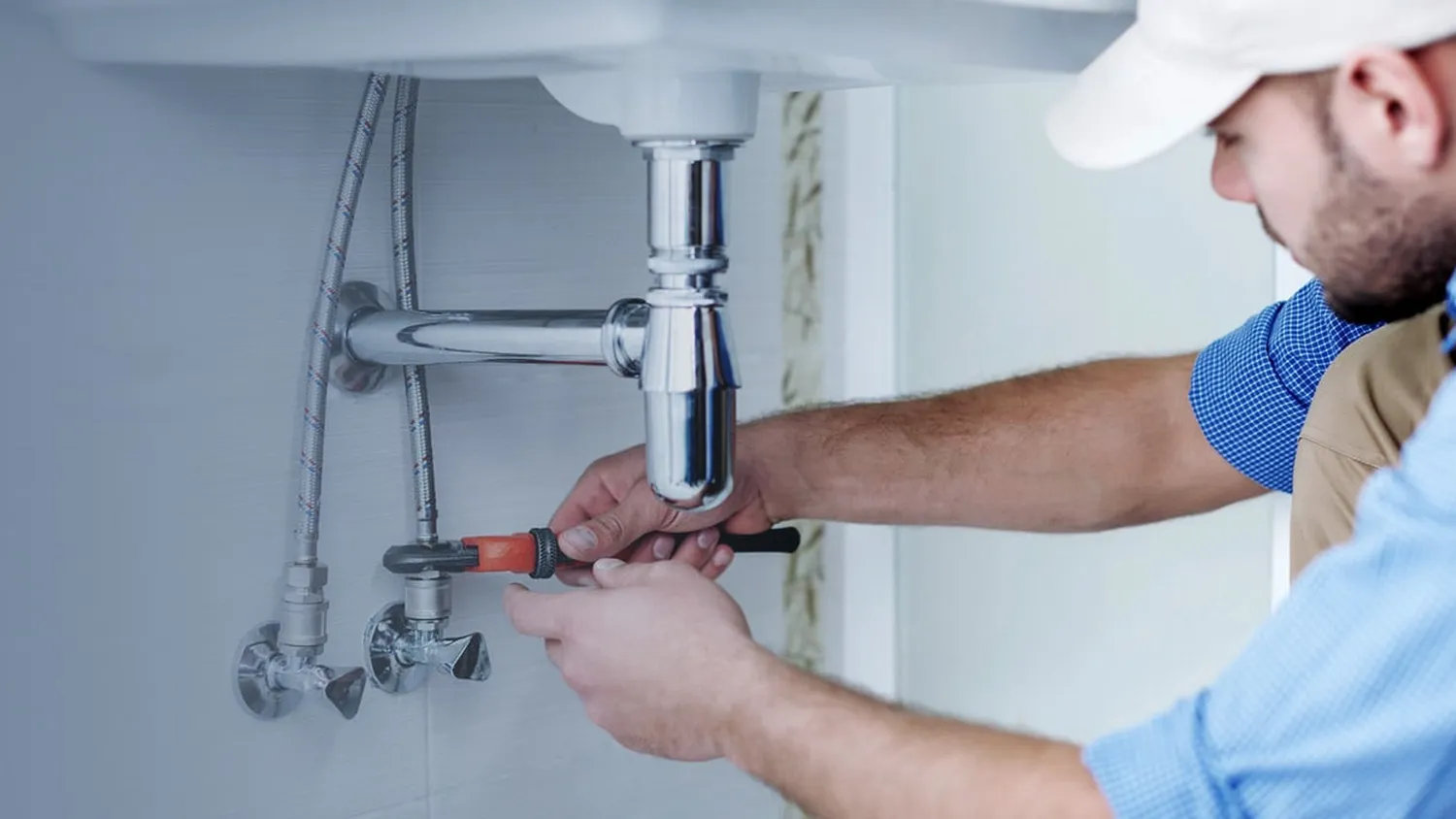
For the broad middle ground — tasks that are more complex than a simple DIY project but don't require a licensed specialist — professional home repair Lexington, VA services offer the ideal solution. Experienced repair professionals familiar with the area bring both the technical skills and the local knowledge needed to get the job done right, saving homeowners from costly trial-and-error attempts.
DIY vs. Hiring a Professional: Making the Right Call
One of the most important decisions a homeowner faces is knowing when to handle a repair themselves and when to call in a professional. The answer depends on several factors: your skill level, the complexity of the job, the safety risks involved, and the potential cost of getting it wrong.
Many basic repairs — replacing a faucet washer, patching a small hole in drywall, painting a room, or caulking a bathtub — are genuinely manageable for a motivated homeowner with the right tools and a good tutorial. Hardware stores in the Lexington area can be valuable resources for both materials and advice.
However, electrical work, structural repairs, roofing, and anything involving gas lines should always be handled by a qualified professional. The risk of injury or making a problem worse is too great, and improper work can void insurance coverage or create liability issues when you eventually sell the home.
Conclusion: A Well-Maintained Home Is a Proud Home
In a town as historically and architecturally significant as Lexington, Virginia, the condition of your home is a reflection of community pride as much as personal investment. Keeping your home well-maintained preserves not just its market value, but its contribution to the character of the neighborhood and the broader community.
By approaching home repair proactively, developing a seasonal maintenance rhythm, and knowing when to call in skilled professionals, Lexington homeowners can enjoy their properties fully — without being constantly caught off guard by the next unexpected repair. The investment in regular upkeep always pays off, both in dollars and in peace of mind.