Conway, South Carolina sits at the confluence of several major waterways and has experienced repeated significant flooding in recent years. For homeowners considering elevation, choosing the right contractor is just as important as deciding to lift in the first place.
Why Conway Faces Unique Flood Challenges
Conway is located along the Waccamaw River in Horry County — one of the most flood-prone counties in South Carolina. The city sits at a low elevation relative to the river and its many tributaries, making it highly vulnerable to prolonged flooding events.
Hurricane Florence in 2018 brought catastrophic flooding to Conway, with the Waccamaw River cresting at historic levels and inundating neighborhoods for weeks. Many homeowners who were affected have since pursued elevation as a lasting solution.
What a Home Lifting Contractor Does
Structural Assessment
Before any physical work begins, a reputable home lifting contractor will perform a detailed assessment of your property. This includes evaluating the home's construction materials, foundation type, dimensions, and current structural integrity.
The assessment determines whether the home is a good candidate for lifting, identifies any repairs needed prior to the lift, and establishes the engineering requirements for the project.
Engineering and Permit Coordination
Licensed home lifting contractors work alongside structural engineers and local building officials to develop a project plan that meets South Carolina building codes and FEMA elevation requirements. Permit applications, floodplain development permits, and engineering drawings are all part of this process.
In Horry County, projects in Special Flood Hazard Areas require additional review to ensure compliance with the county's floodplain management ordinance. An experienced local contractor understands these requirements and navigates them efficiently.
The Physical Lift and Foundation Work
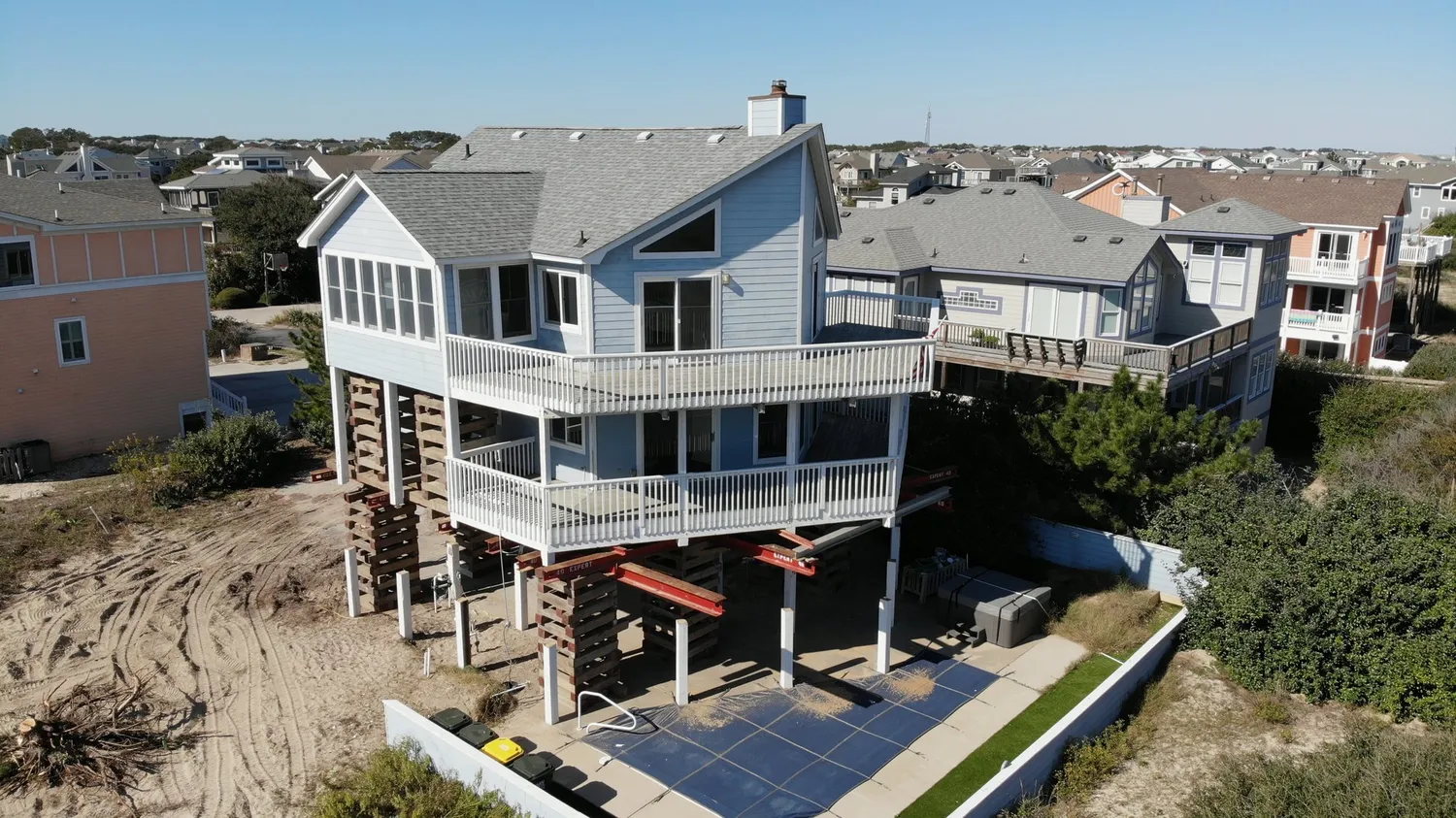
The contractor supplies and operates the hydraulic jacking equipment used to raise the structure. They also manage the temporary support system that holds the home at elevation while the new foundation is built beneath it.
Foundation construction — whether concrete piers, a raised perimeter wall, or a combination of both — is typically included in the contractor's scope. The choice of foundation type depends on the soil conditions, target elevation height, and local code requirements.
Utility Reconnection and Final Grading
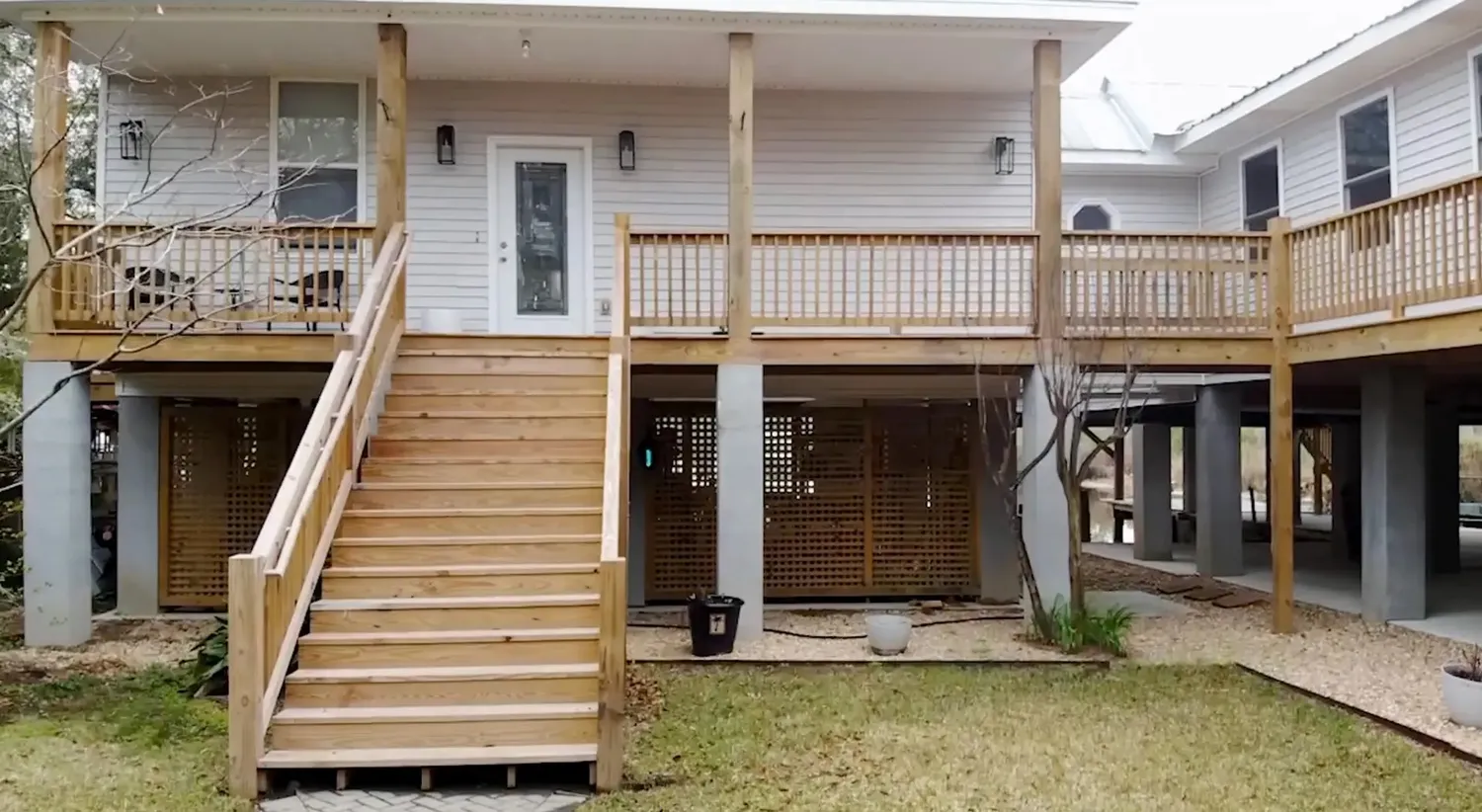
Once the new foundation is complete and the home is lowered into its final position, the contractor coordinates the reconnection of water, sewer, gas, and electrical services. Exterior access improvements such as new staircases, landings, and entry ramps are also completed at this stage.
Final grading around the foundation ensures proper drainage away from the structure and helps prevent moisture intrusion at the foundation level.
Key Questions to Ask Before Hiring
Are You Licensed and Insured in South Carolina?
South Carolina requires general contractors to hold a state-issued license. Verify the license number directly with the South Carolina Contractors' Licensing Board. Ensure the contractor carries general liability coverage with adequate limits and an active workers' compensation policy.
Have You Completed Projects in Horry County?
Local experience matters. A contractor familiar with Horry County's permitting process, soil conditions, and floodplain requirements will work more efficiently and encounter fewer delays than one who is new to the area.
Ask for references and, if possible, visit completed projects or speak with previous clients about their experience throughout the process.
What Is Included in the Contract?
A detailed written contract should specify the target elevation height, foundation type, timeline, payment schedule, what utility disconnection and reconnection is included, and who is responsible for the elevation certificate upon completion.
Be cautious of contracts with vague scopes of work or that exclude key components like permitting, foundation construction, or utility work without clear explanation.
Understanding the Cost of Home Elevation in Conway
The cost of lifting a home in Conway varies significantly based on the size of the structure, the target elevation height, the foundation type, and site-specific conditions such as soil type and access.
For a typical single-story wood-frame home, elevation projects in South Carolina generally range from $20,000 to $60,000 or more. Larger homes, those requiring significant foundation work, or projects on difficult sites will fall at the higher end of the range.
Many homeowners find that the reduction in annual flood insurance premiums, combined with available FEMA Hazard Mitigation Grant Program (HMGP) funding, significantly offsets the upfront cost of elevation.
Working with experienced Conway Home Lifting Contractors ensures your elevation project meets Horry County code requirements, qualifies for available FEMA assistance programs, and is completed by a team that understands the local flood environment and what your property specifically needs.
FEMA Hazard Mitigation Grants in Horry County
Following major disaster declarations, FEMA provides Hazard Mitigation Grant Program funding to help eligible homeowners elevate their properties. Horry County has received HMGP funding after multiple flood events, and eligible homeowners may be able to receive grants covering a substantial portion of elevation costs.
Eligibility depends on property location, damage history, and funding availability. A qualified contractor can help you understand the application process and whether your property may qualify.
Timeline: What to Expect from Start to Finish
A typical home elevation project in Conway takes between eight and sixteen weeks from initial assessment to final inspection — though permitting timelines can vary. The physical lifting and foundation work generally spans two to four weeks of active construction.
Weather, permit approval times, and contractor scheduling all affect the timeline. Experienced contractors provide realistic project timelines upfront and communicate proactively about any changes.
Make the Right Investment for Your Conway Home
Flooding in Conway is not a matter of if but when. Elevating your home with a qualified, licensed contractor is the most reliable way to protect your property, reduce your long-term insurance costs, and ensure your family does not face the same losses again. Start with a professional site assessment and take the first step toward a more secure home.