Intergenerational connections offer a myriad of benefits for both seniors and younger generations, fostering mutual understanding, empathy, and a sense of belonging. Senior living communities have recognized the importance of these connections and have implemented various strategies to facilitate them. Here are five ways senior living communities foster intergenerational connections:
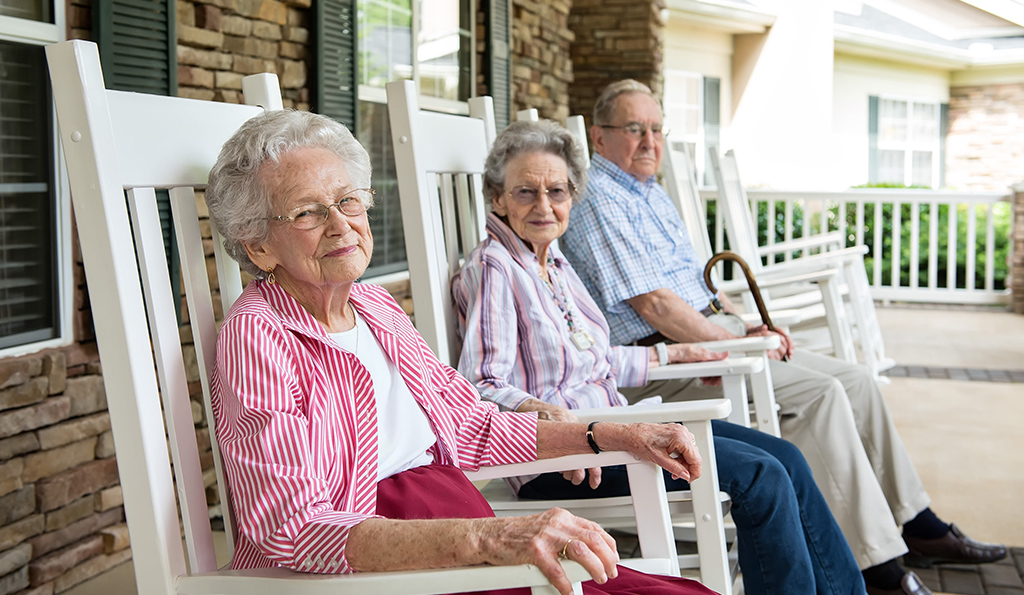
- Intergenerational Programs and Activities: Many senior living communities organize structured programs and activities that involve interaction between seniors and younger generations. These activities can range from arts and crafts sessions to gardening projects, where residents collaborate with local schoolchildren or youth groups. By working together towards a common goal, individuals from different age groups can bond over shared experiences, interests, and skills.
- Community Partnerships: Senior living communities often forge partnerships with local schools, colleges, and community organizations to create opportunities for intergenerational engagement. This can include inviting students to perform musical recitals, participate in storytelling sessions, or conduct educational workshops for seniors. By leveraging these partnerships, senior living communities create a vibrant and dynamic environment that encourages cross-generational learning and exchange.
- Intergenerational Dining Programs: Sharing a meal is a time-honored tradition that brings people together, regardless of age. Many senior living communities host intergenerational dining programs where residents dine alongside young visitors, such as students or volunteers. These shared meals provide a relaxed and informal setting for conversation, allowing seniors and younger individuals to connect on a personal level while enjoying delicious food and camaraderie.
- Technology Training and Mentorship: In today's digital age, technology plays a crucial role in bridging the generation gap. Senior living communities recognize the importance of equipping older adults with digital literacy skills and often offer technology training programs led by younger volunteers or tech-savvy residents. These sessions not only empower seniors to navigate the digital world but also create opportunities for intergenerational mentorship and collaboration.
- Storytelling and Oral History Projects: Seniors possess a wealth of knowledge, wisdom, and life experiences that can be shared with younger generations. Many senior living communities facilitate storytelling and oral history projects where residents recount their personal anecdotes, memories, and life lessons to students or community members. These storytelling sessions not only preserve the rich tapestry of seniors' lives but also foster meaningful connections between generations by bridging the gap between past and present.
In conclusion, active senior living communities play a vital role in fostering intergenerational connections by creating opportunities for seniors and younger generations to interact, learn from each other, and form meaningful relationships. Through structured programs, community partnerships, shared activities, and storytelling initiatives, these communities promote a sense of belonging and mutual respect across age groups, enriching the lives of residents and strengthening the fabric of the community as a whole.