Ontario has experienced a noticeable increase in the demand for new shipping containers over the past few years. These containers are no longer used only for transporting goods across oceans. Businesses, contractors, and even homeowners are discovering new ways to use them for storage, construction, and creative housing solutions. Global supply chain challenges and rising housing demand have also contributed to this trend. As industries continue to look for practical and durable infrastructure solutions, shipping containers have become valuable assets across Ontario.
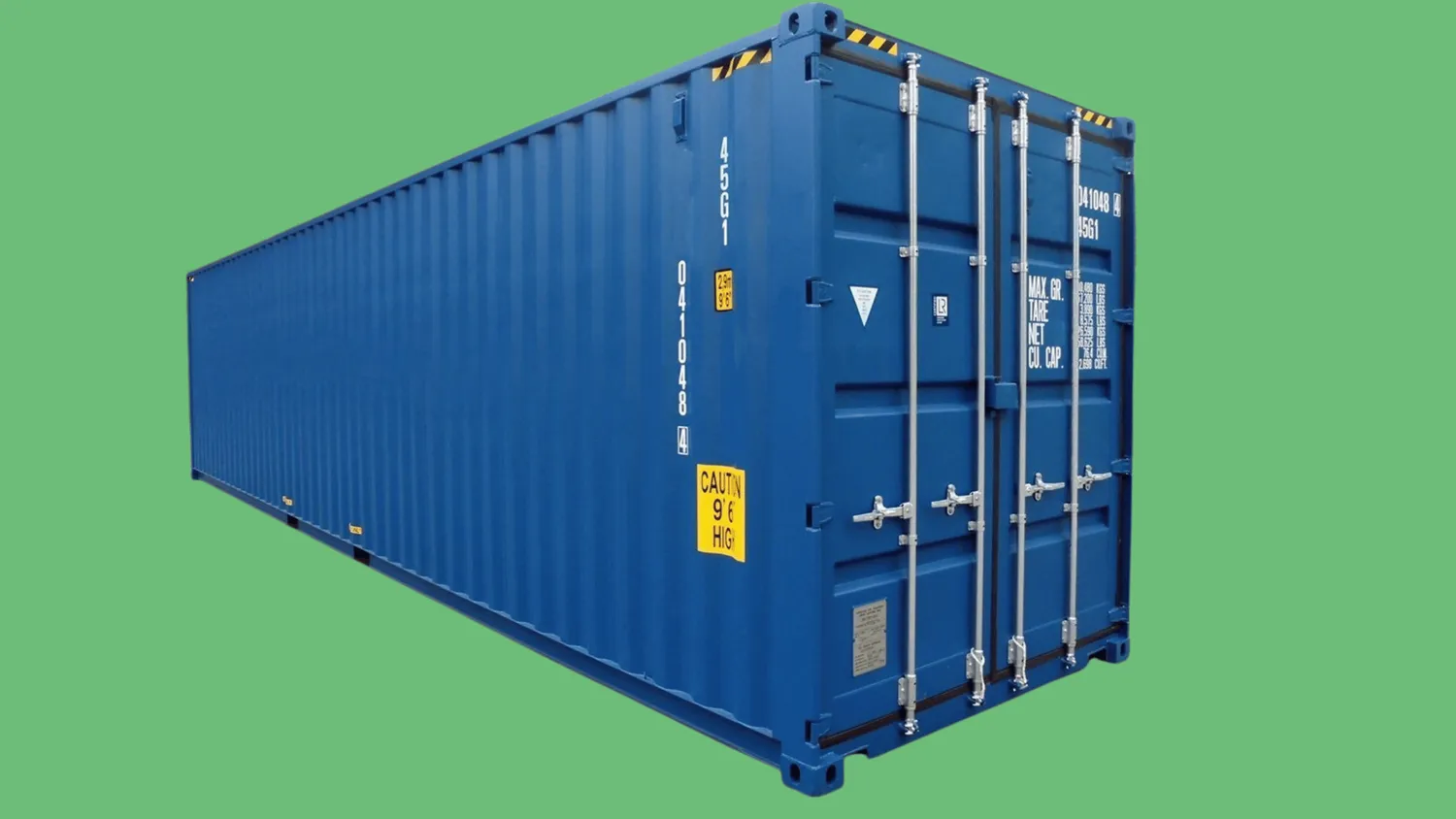
The Growing Demand for Shipping Containers in Ontario
Ontario is one of Canada’s most active economic regions, with industries ranging from construction and manufacturing to agriculture and logistics. These sectors require reliable storage and transportation systems to keep operations running efficiently, which is why shipping containers in Ontario are becoming increasingly essential for businesses across the province.
Shipping containers offer a durable and flexible option for many commercial needs. Businesses often use them to store tools, protect equipment, manage inventory, or create temporary workspaces at job sites. Because containers are designed to handle extreme conditions during international shipping, they provide strong protection for valuable materials.
New containers are particularly attractive because they offer better structural quality and a longer lifespan compared to older units. Companies prefer them when they want dependable storage solutions that will last for many years without major repairs.
Another reason for their growing popularity is versatility. A container can easily be converted into an office, workshop, or retail space. This flexibility makes them useful for both short term and long term business needs.
Ontario's Housing Crisis and the Rise of Shipping Container Homes
Ontario is facing a significant housing shortage. Rapid population growth and limited housing supply have created strong demand for new residential developments. As traditional construction costs increase, developers and homeowners are exploring alternative building methods.
Shipping container homes have become one of the innovative solutions being discussed. These homes use modified containers as structural building blocks, allowing architects to design modern and compact living spaces.
Ontario Needs 1.5 Million New Homes
Housing experts estimate that Ontario will require around 1.5 million additional homes in the coming years to meet population growth and economic expansion. Meeting this demand with traditional construction alone is challenging due to labor shortages, rising material costs, and long construction timelines.
Container based housing can help support some of this demand because the structural shell already exists. Builders can focus on interior layout, insulation, plumbing, and electrical systems instead of constructing the entire structure from scratch.
Why Shipping Container Homes Appeal to Builders
Shipping container homes offer several advantages that attract developers and homeowners. Containers are made from strong steel designed to withstand harsh environmental conditions during transportation.
Another advantage is construction speed. Because the base structure already exists, building timelines can sometimes be shorter than traditional construction projects. Designers can also combine multiple containers to create larger homes or unique architectural layouts.
Container housing can also support sustainable building practices when properly designed, since repurposing containers reduces the need for certain construction materials.
Legal Considerations for Container Homes in Ontario
Container homes can be built in Ontario, but they must comply with local building codes and municipal regulations. All residential structures must meet standards related to safety, insulation, electrical systems, plumbing, and ventilation.
Zoning regulations also determine where different types of housing can be constructed. Before starting a container housing project, builders must review local zoning requirements and obtain proper permits. When designed correctly and approved by local authorities, container homes can meet all legal construction standards.
Global Shipping Issues and Container Availability
Global trade plays a major role in the availability of shipping containers. Containers move goods across international shipping routes, and changes in global logistics can affect how easily they can be obtained in different regions.
When supply chains experience disruptions, containers may become unevenly distributed across the world. Some regions may have excess containers while others experience shortages.
These shifts can influence both the availability and pricing of containers in markets such as Ontario.
Why Shipping Container Prices Increased
In recent years, container prices have increased due to several global factors. Rising steel costs, manufacturing delays, transportation disruptions, and increased global trade have all contributed to higher prices.
When demand grows faster than manufacturing capacity, buyers compete for available containers, which pushes prices upward.
Understanding Container Shortages
Container shortages occur when global shipping patterns create imbalances. For example, containers may accumulate in countries that import large amounts of goods while exporters struggle to access enough containers for shipping products abroad.
This imbalance can reduce supply in certain regions and increase demand for newly manufactured containers.
The Importance of Shipping Containers in the Shipping Industry
Shipping containers revolutionized global trade by introducing standardized cargo transportation. Before containers were widely used, goods were loaded individually onto ships, which made the process slow and inefficient.
Containers simplified logistics by allowing cargo to be packed into secure units that can move easily between ships, trains, and trucks. This system improved efficiency, reduced damage during transportation, and helped accelerate global commerce.
Why General Purpose Containers Are Widely Used
General purpose containers are the most common type of shipping container. Their design allows them to transport a wide variety of goods including machinery, construction materials, retail products, and packaged goods.
Because of their simple structure and durability, these containers are also the most commonly repurposed for storage and construction projects. Their versatility makes them valuable for both transportation and creative building solutions.
As the demand for secure storage and modular infrastructure continues to grow, many businesses across Ontario rely on reliable suppliers such as Sea Can Kings to access high quality new shipping containers.
Conclusion
The strong demand for new shipping containers in Ontario is driven by several factors including industrial storage needs, housing shortages, and global supply chain challenges. Businesses appreciate their durability and versatility, while developers are exploring innovative uses such as modular housing and container based infrastructure. As industries continue to grow and search for efficient building and storage solutions, shipping containers will remain an important resource across Ontario for many years to come.
FAQs
Why are new shipping containers in Ontario in high demand?
The demand is increasing due to industrial storage needs, construction projects, global supply chain disruptions, and growing interest in alternative building methods such as container homes.
Are shipping container homes legal in Ontario?
Yes, they can be built in Ontario as long as they meet local zoning requirements and follow provincial building codes related to safety and construction standards.
Why do many buyers prefer new shipping containers?
New containers offer stronger structural integrity, minimal wear, and a longer lifespan compared to used containers.
What industries use shipping containers in Ontario?
Industries such as construction, manufacturing, agriculture, logistics, and retail commonly use containers for storage, transportation, and temporary workspace solutions.
Will demand for shipping containers continue to grow?
Demand is expected to remain strong as businesses and developers continue finding new ways to use containers for storage, modular construction, and infrastructure projects.