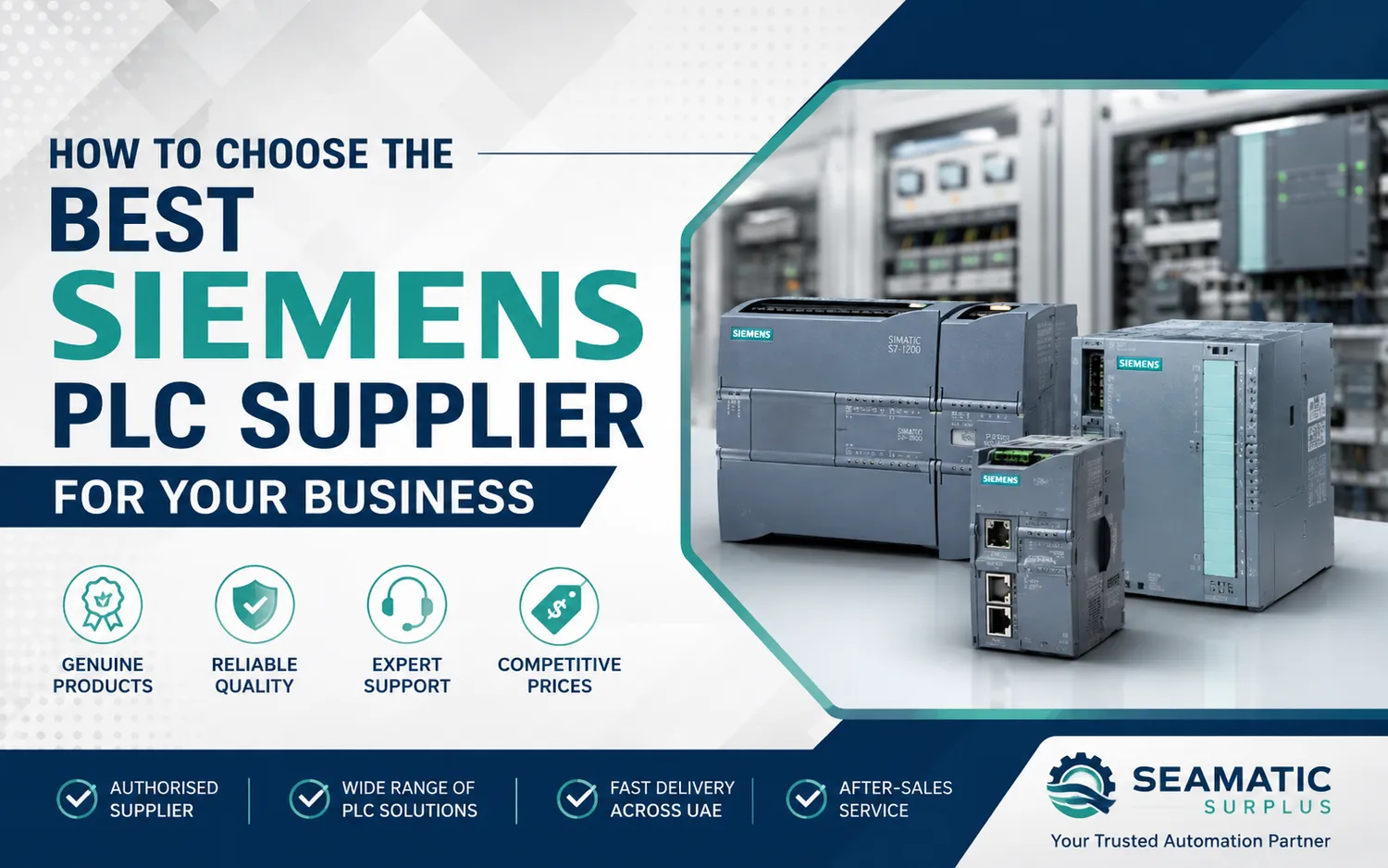
Choosing the right PLC supplier can directly affect the reliability, efficiency, and long term performance of an industrial automation system. Whether you are replacing a failed controller, expanding a production line, or modernizing an existing control system, selecting dependable Suppliers of Siemens PLCS is an important business decision.
A good supplier does more than provide a product. They should help you identify the right PLC, verify compatibility, provide genuine equipment, and offer practical support when your automation system needs attention.
Understand Your PLC Requirements First
Before contacting Siemens PLC dealers, define exactly what your application requires. Selecting a PLC based only on price can result in compatibility problems, unnecessary costs, or limited system performance.
Consider factors such as:
- PLC model and product family
- Required CPU performance
- Number of digital and analog inputs and outputs
- Communication protocols and network requirements
- Memory and processing requirements
- Expansion and future upgrade needs
- Existing Siemens automation hardware
- Environmental operating conditions
- Required certifications and documentation
If you are replacing an existing controller, record the exact part number and hardware configuration before requesting quotations. This makes it easier for the supplier to recommend a compatible replacement.
Compare Siemens PLC Suppliers Carefully
Not every supplier provides the same level of product knowledge or after sales support. When comparing Siemens SIMATIC PLC suppliers, look beyond the quoted price and evaluate the complete purchasing experience.
A reliable supplier should be able to answer questions about product specifications, compatibility, availability, warranty, and delivery. They should also clearly explain whether the equipment is new, refurbished, discontinued, or surplus.
Supplier Factor What to Check
Product authenticity Verify product origin and documentation
Technical knowledge Ask compatibility and application questions
Product condition Confirm new, refurbished, or surplus status
Warranty Review warranty coverage before purchasing
Availability Check current stock and expected delivery
Support Ask about technical assistance after purchase
Documentation Request manuals, specifications, and relevant details
This simple comparison can help you avoid choosing a supplier based solely on the lowest initial quotation.
Decide Between New and Surplus PLC Equipment
Your project requirements and budget will determine whether new or surplus equipment is the better choice. New Siemens PLC suppliers can be preferable for critical installations where long term reliability, manufacturer support, and current product availability are priorities.
For maintenance projects or older automation systems, surplus Siemens PLC suppliers may offer an economical way to obtain hard to find components. However, buyers should verify the item's condition, storage history where available, testing procedures, warranty, and return policy.
Before purchasing surplus equipment, ask:
- Is the exact part number correct?
- Has the PLC been tested?
- Is the equipment unused, refurbished, or previously installed?
- Is the product packaging intact?
- Does it include required accessories?
- What warranty or return protection is provided?
These questions can reduce the risk of receiving equipment that cannot be integrated into your existing control system.
Check Compatibility Before You Buy
Compatibility is one of the most important considerations when choosing a PLC supplier. A controller that appears similar to your existing unit may have different communication capabilities, firmware requirements, memory specifications, or expansion options.
Provide the supplier with your existing PLC part number and, when possible, details about the complete automation setup. This allows the supplier to assess whether the proposed replacement will work with your current configuration or whether additional hardware and engineering changes are required.
If your business operates internationally, requirements can also vary by region. Companies searching for Siemens PLC suppliers UAE should consider local availability, delivery times, technical support, applicable standards, and import requirements when evaluating suppliers.
Consider Buying Siemens PLC Online
Online purchasing can make it easier to compare product availability and pricing across different suppliers. Businesses looking to buy Siemens PLC online should nevertheless verify the supplier before placing an order.
Look for clear product descriptions, accurate part numbers, transparent purchasing terms, contact information, warranty details, and responsive customer service. Avoid making a decision solely because an online listing has an unusually low price.
A professional supplier should provide enough information for you to determine whether the product is suitable for your application.
Ask About Upgrade Options
A PLC replacement can sometimes be an opportunity to improve the entire automation system. If your existing controller is approaching the end of its useful life, ask your supplier whether a modernization strategy could improve performance and simplify future maintenance.
When discussing a Siemens PLC upgrade support requirement, ask about newer compatible hardware, communication improvements, programming considerations, migration requirements, and potential downtime.
An experienced supplier can help you compare the cost of maintaining an older system against the long term benefits of upgrading.
Red Flags to Watch For
Be cautious if a supplier:
- Cannot provide a precise part number
- Gives unclear information about product condition
- Avoids questions about warranty
- Provides limited technical specifications
- Offers pricing that seems unusually low without explanation
- Cannot explain compatibility
- Has poor communication before the sale
These warning signs do not automatically mean a supplier is unreliable, but they justify additional verification before making a purchase.
Practical Tips for Selecting the Right Supplier
Use these steps before finalizing your supplier:
- Identify your exact PLC requirements including model, CPU, I/O, and communication needs.
- Request multiple quotations so you can compare more than price.
- Verify product condition especially when considering surplus or refurbished equipment.
- Confirm compatibility with your current automation system.
- Review warranty and return terms before placing an order.
- Evaluate technical support for installation, troubleshooting, and upgrades.
- Consider future requirements so the selected PLC can support planned expansion.
Choose Value Over Price
The best Siemens PLC supplier is not necessarily the one offering the lowest quotation. A supplier that provides genuine products, accurate technical guidance, dependable delivery, warranty coverage, and useful support can help reduce downtime and avoid costly purchasing mistakes.
Before making your final decision, compare suppliers based on product quality, technical expertise, availability, support, and total value. A thoughtful selection process can help your business build a more reliable automation system while making future maintenance and upgrades easier.