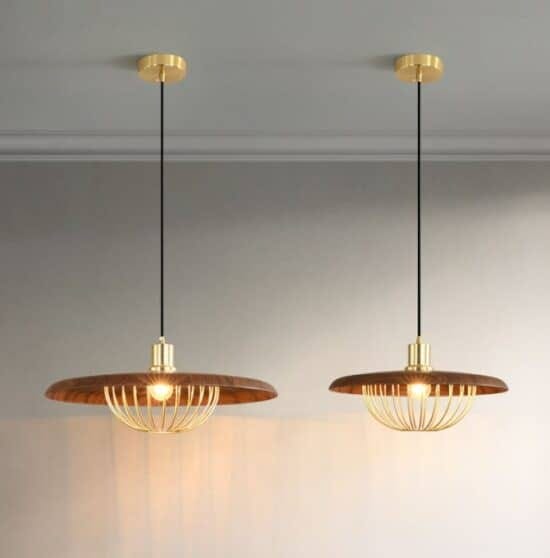
Ceiling light are essential in interior design, offering more than just illumination. They define the ambiance, enhance the aesthetic appeal, and contribute significantly to the overall functionality of a room. This article delves into the different types of ceiling lights, their applications, and how to choose the right ones for your space.
Undrstanding Ceiling Lights
Ceiling lights are fixtures mounted directly to the ceiling, providing general, task, or accent lighting. They come in various styles, sizes, and functionalities, making them versatile enough to suit any room, whether it’s a cozy bedroom, a busy kitchen, or a grand living room.
Types of Ceiling Lights
Flush Mount Ceiling Lights:
- Description: These fixtures are mounted directly against the ceiling with no gap, making them ideal for rooms with low ceilings.
- Best Uses: Hallways, bedrooms, bathrooms, and kitchens.
- Advantages: They provide even light distribution, are easy to install, and offer a clean, unobtrusive look.
Semi-Flush Mount Ceiling Lights:
- Description: Semi-flush lights hang slightly below the ceiling, offering a bit of space between the fixture and the ceiling.
- Best Uses: Dining rooms, living rooms, and entryways.
- Advantages: They add a touch of elegance and are ideal for spaces where a chandelier might be too overwhelming but a flush mount too plain.
Chandeliers:
- Description: Chandeliers are decorative fixtures that hang from the ceiling, often featuring multiple arms or tiers of lights.
- Best Uses: Dining rooms, living rooms, and entryways with high ceilings.
- Advantages: They make a bold statement, add a luxurious touch, and serve as a focal point in large rooms.
Pendant Lights:
- Description: Pendant lights hang from the ceiling by a rod, chain, or cord, typically featuring a single light source.
- Best Uses: Kitchen islands, dining tables, and bars.
- Advantages: They offer focused lighting, are available in various styles and sizes, and can be used in multiples for enhanced visual impact.
Recessed Lighting:
- Description: Recessed lights, or downlights, are installed into the ceiling, with the bulb socket hidden above the ceiling line.
- Best Uses: Kitchens, bathrooms, living rooms, and hallways.
- Advantages: They provide a sleek, modern look, are space-saving, and can be used to highlight specific areas or objects.
Track Lighting:
- Description: Track lighting features multiple lights mounted on a single track, allowing the direction of each light to be adjusted.
- Best Uses: Galleries, kitchens, and living rooms.
- Advantages: They offer flexibility in directing light where needed, are ideal for accent lighting, and can be easily reconfigured.
Cove Lighting:
- Description: Cove lighting is indirect lighting installed into ledges, recesses, or valances in the ceiling.
- Best Uses: Living rooms, bedrooms, and home theaters.
- Advantages: They create a soft, ambient glow, enhance architectural features, and add a layer of depth to the room.
Choosing the Right Ceiling Lights
When selecting ceiling lights, it’s crucial to consider the following factors:
Room Size and Ceiling Height:
- Importance: The size of the room and the height of the ceiling should dictate the type and size of the fixture.
- Tip: For rooms with low ceilings, opt for flush or semi-flush mounts. For higher ceilings, consider chandeliers or pendant lights.
Purpose of the Room:
- Importance: The function of the room influences the type of lighting needed.
- Tip: Use bright, direct lighting for task-oriented spaces like kitchens or offices, and softer, ambient lighting for relaxation areas like bedrooms and living rooms.
Style and Décor:
- Importance: The ceiling light should complement the room’s overall design.
- Tip: Choose fixtures that match or contrast beautifully with the existing furniture and color scheme for a cohesive look.
Energy Efficiency:
- Importance: Energy-efficient lighting helps reduce energy consumption and costs.
- Tip: Consider LED lights, which offer long-lasting, energy-efficient illumination and are available in various styles and color temperatures.
Light Layering:
- Importance: Combining different types of lighting in a room can create a more dynamic and functional space.
- Tip: Use a mix of ambient, task, and accent lighting to achieve the desired effect.
Dimmability:
- Importance: The ability to dim lights adds flexibility to the ambiance of the room.
- Tip: Install dimmable fixtures in spaces like living rooms, dining rooms, and bedrooms to adjust the lighting according to the mood or activity.
Installation Tips for Ceiling Lights
Proper installation of ceiling lights is vital for both safety and aesthetics. Here are some tips to keep in mind:
Hire a Professional:
- Importance: Ensuring that the wiring and installation are done correctly is crucial.
- Tip: Always consider hiring a licensed electrician for the installation, especially for complex fixtures like chandeliers.
Measure Before Installation:
- Importance: Incorrect measurements can lead to a poorly placed fixture.
- Tip: Measure the ceiling height and the room’s dimensions to ensure the fixture is at the correct height and proportionate to the space.
Consider Weight:
- Importance: Some ceiling lights, especially chandeliers, can be heavy.
- Tip: Ensure that the ceiling and the mounting hardware can support the weight of the fixture.
Test the Lighting:
- Importance: Testing the light before finalizing the installation helps ensure it functions as intended.
- Tip: Turn the light on and off, and test any dimming features to ensure everything works correctly.
Maintaining Your Ceiling Lights
Maintenance is key to ensuring that your ceiling lights remain functional and visually appealing. Regular upkeep can extend the life of your fixtures and keep them looking new.
Regular Cleaning:
- Importance: Dust and dirt can accumulate on fixtures, dimming their brightness.
- Tip: Clean your ceiling lights regularly with a soft cloth and mild cleaner. For chandeliers and intricate fixtures, consider using a specialized cleaning solution.
Check for Wear and Tear:
- Importance: Over time, fixtures and bulbs can wear out or become damaged.
- Tip: Inspect the fixtures periodically for any signs of wear, such as loose connections or flickering bulbs, and replace or repair them as needed.
Replace Bulbs as Needed:
- Importance: Old or burnt-out bulbs can affect the quality of light and the ambiance of the room.
- Tip: Replace bulbs with the correct wattage and type to ensure consistent lighting. Consider switching to LED bulbs for energy efficiency.
Conclusion
Ceiling lights are a fundamental aspect of interior design, offering both functionality and aesthetic value. With the wide variety of styles, types, and features available, it’s essential to choose the right ceiling lights that meet your specific needs and complement your space. By considering factors such as room size, purpose, and style, you can select the perfect ceiling lights to enhance the ambiance and functionality of any room. Proper installation and regular maintenance will ensure that your ceiling lights continue to shine brightly, providing you with years of reliable service.
Source: medium.com