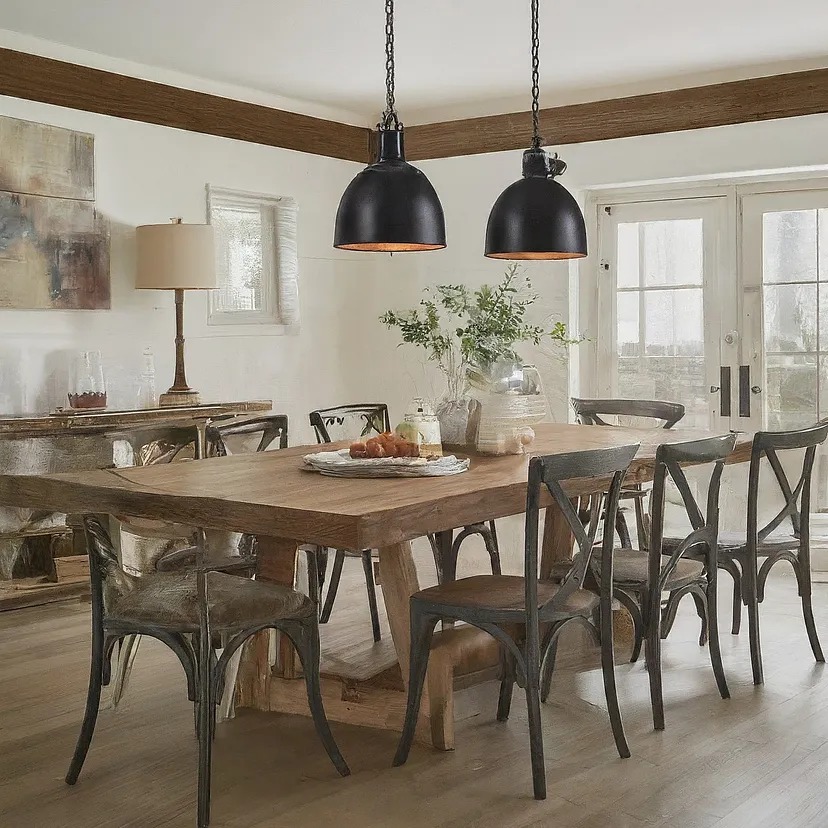
Pendant light are one of the most versatile and popular lighting options available today. Whether you are looking to add a statement piece to your living room, kitchen, or dining area, or you need functional task lighting, pendant lights offer a solution that blends style with practicality. This guide explores everything you need to know about pendant lights, from their types and styles to installation tips and design ideas.
What are Pendant Lights?
Pendant lights are single light fixtures that hang from the ceiling, typically suspended by a cord, chain, or metal rod. They are often used in multiples and arranged in a straight line over kitchen islands, dining tables, or in clusters over staircases. Pendant lights can serve as both decorative focal points and functional lighting sources, making them a popular choice in a variety of interior design settings.
Types of Pendant Lights
Pendant lights come in many different shapes, sizes, and designs. Here are some of the most common types:
1. Mini Pendant Lights
Mini pendant lights are small, compact fixtures that are perfect for providing focused lighting in smaller spaces. They are often used in series over kitchen islands or as bedside lights.
2. Multi-Light Pendants
Multi-light pendants feature multiple light sources within a single fixture. They can range from two to several lights, making them ideal for larger spaces or as statement pieces.
3. Drum Pendant Lights
Drum pendant lights have a cylindrical shape that resembles a drum. They are often covered with fabric or other materials to diffuse the light, creating a soft, ambient glow.
4. Globe Pendant Lights
Globe pendant lights feature a spherical design that is both modern and classic. They are versatile and can fit into various design schemes, from mid-century modern to contemporary.
5. Linear Pendant Lights
Linear pendant lights are long, narrow fixtures that work well over dining tables or kitchen islands. They provide even illumination across a specific area, making them functional and stylish.
6. Industrial Pendant Lights
Inspired by old factories and warehouses, industrial pendant lights often feature metal finishes and exposed bulbs. They are perfect for adding a rustic or vintage touch to your space.
7. Chandeliers
While technically a type of pendant, chandeliers are more elaborate and often feature multiple tiers of lights. They are usually used as statement pieces in formal dining rooms or grand entryways.
Pendant Light Styles
The style of your pendant light can set the tone for the entire room. Here are some popular styles to consider:
1. Modern and Contemporary
Modern pendant lights feature clean lines, geometric shapes, and minimalist designs. They often use materials like metal, glass, and acrylic to create a sleek and sophisticated look.
2. Traditional
Traditional pendant lights often feature classic designs with intricate details. They might include elements like ornate scrollwork, crystal embellishments, and antique finishes.
3. Rustic and Farmhouse
Rustic pendant lights are characterized by natural materials, such as wood, metal, and glass. Farmhouse-style pendants often have a weathered or distressed finish, giving them a cozy, lived-in feel.
4. Industrial
Industrial-style pendant lights are inspired by the utilitarian lighting found in factories and warehouses. They often feature exposed bulbs, metal finishes, and a rugged, no-nonsense design.
5. Bohemian
Bohemian pendant lights are eclectic and often feature unique materials like rattan, wicker, or colorful glass. They add a touch of whimsy and artistic flair to any room.
Choosing the Right Pendant Light for Your Space
When selecting pendant lights, it’s essential to consider the room’s size, the height of the ceiling, and the overall design scheme. Here are some tips to help you make the right choice:
1. Room Size and Scale
The size of your pendant light should be proportional to the room and the space it’s illuminating. For smaller rooms, opt for mini pendants or compact fixtures. In larger spaces, you can go for bigger, bolder designs or use multiple pendants in a cluster or line.
2. Ceiling Height
Ceiling height plays a significant role in determining the length of the pendant’s suspension. For standard 8-foot ceilings, aim for a pendant that hangs 12–20 inches below the ceiling. For taller ceilings, the pendant can hang lower, but it should still be high enough to avoid obstructing views or movement.
3. Functionality
Consider the function of the pendant light. Is it for task lighting, ambient lighting, or decorative purposes? Task lighting, such as over a kitchen island, should be bright and focused, while ambient lighting should be softer and more diffused.
4. Design Cohesion
Your pendant light should complement the overall design of the room. If your décor is modern, opt for a sleek, minimalist pendant. For a more traditional space, a classic or ornate pendant might be the better choice.
Installation Tips for Pendant Lights
Installing pendant lights can be a DIY project, but there are some essential steps and considerations:
1. Determine the Hanging Height
The standard height for pendant lights above a kitchen island or dining table is 30–36 inches from the tabletop. For open areas, the bottom of the pendant should be 60–72 inches from the floor.
2. Spacing Between Multiple Pendants
If you’re hanging multiple pendants in a row, space them evenly, typically 24–30 inches apart. This ensures balanced lighting and a cohesive look.
3. Consider a Dimmer Switch
Adding a dimmer switch gives you control over the light intensity, allowing you to create different moods and atmospheres in the room.
4. Safety First
Always turn off the power at the circuit breaker before beginning any installation. If you’re unsure about wiring or the installation process, it’s best to consult a licensed electrician.
Design Ideas and Inspiration
Pendant lights can dramatically change the look and feel of a space. Here are some design ideas to inspire you:
1. Kitchen Islands
Hang a series of mini pendant lights over your kitchen island to provide focused task lighting and add a stylish touch to the room.
2. Dining Tables
A linear pendant light or a cluster of pendants above a dining table creates a cozy and intimate dining experience. Choose a style that complements your dining room décor.
3. Entryways
Make a grand statement in your entryway with a large pendant or chandelier. This sets the tone for the rest of your home and adds a touch of elegance.
4. Living Rooms
In the living room, consider using a statement pendant light to create a focal point. Whether it’s a modern globe light or a rustic chandelier, it can enhance the room’s design.
5. Bedrooms
Pendant lights can replace traditional bedside lamps, freeing up space on your nightstand. Choose a soft, ambient light to create a relaxing atmosphere.
Maintenance and Care
To keep your pendant lights looking their best, regular maintenance is essential:
1. Cleaning
Dust your pendant lights regularly to prevent the buildup of dirt and grime. For glass fixtures, use a glass cleaner to keep them sparkling. For metal fixtures, a damp cloth should suffice.
2. Bulb Replacement
Ensure that the bulbs are replaced as needed. If your pendant light uses specialty bulbs, keep a few on hand to avoid scrambling for replacements.
3. Inspecting the Fixture
Periodically check the fixture for any signs of wear or damage. Ensure that the suspension cords or chains are secure and that the light fixture is stable.
Conclusion
Pendant lights are an excellent choice for adding both style and functionality to any room in your home. With so many types, styles, and options available, there is a pendant light for every space and design preference. Whether you’re looking to create a warm and inviting atmosphere in your dining room or need practical task lighting in your kitchen, pendant lights offer a versatile and stylish solution.
Source: medium.com