Lighters are essential tools for those who rely on fire for various tasks, from lighting cigars and cigarettes to starting campfires or even dabbing. Scorch Torch lighters, known for their reliability and efficiency, occasionally require maintenance and troubleshooting to ensure they continue working effectively. If you find yourself with a Scorch Torch lighter that isn't functioning properly—whether it fails to ignite, produces a weak flame, or sputters—it may simply need a bit of attention and care. This guide will walk you through the steps to diagnose and fix common issues with your Scorch Torch lighter.
Understanding Your Scorch Torch Lighter
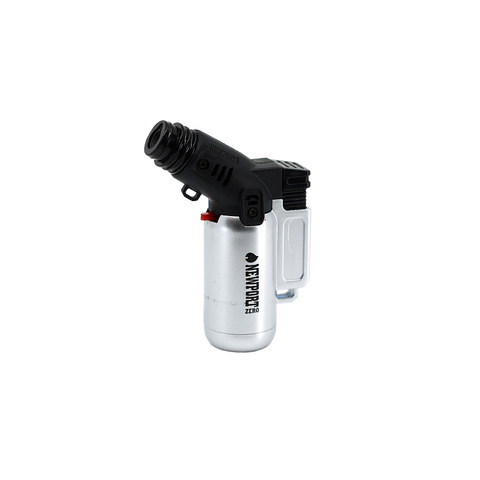
Before diving into troubleshooting and repairs, it's helpful to have a basic understanding of how Scorch Torch lighters work. These lighters typically operate on butane gas, which is stored in a refillable tank. A flint mechanism generates a spark, and when combined with butane, produces a flame. The flame is adjustable using a control mechanism usually located near the base of the lighter.
Tools You Might Need
Gathering the right tools before starting any repairs can save time and frustration. Here's a list of common tools and supplies you might need:
- Butane fuel: Ensure it's high-quality and compatible with your lighter.
- Small screwdriver set: For disassembling parts if necessary.
- Cotton swabs: For cleaning delicate areas.
- Compressed air: To blow out dust and debris.
- Safety glasses: To protect your eyes during repairs.
Step-by-Step Guide to Fixing Your Scorch Torch Lighter
**1. ** Check Butane Levels
The first step in troubleshooting your Scorch Torch lighter is to ensure it has an adequate supply of butane fuel. Hold the lighter upright and depress the fill valve with a small screwdriver or a pen tip. If you hear a hissing sound or see a release of air, the lighter likely has fuel. If not, it needs refilling.
To refill:
- Turn off the flame if it's currently lit.
- Hold the lighter upside down to prevent air from entering the fuel chamber.
- Insert the nozzle of the butane fuel canister into the refill valve on the lighter.
- Press down firmly for about 5-10 seconds. Avoid overfilling.
- Wait a few minutes before using the lighter to allow the butane to stabilize.
2. Adjust the Flame Height
If your Scorch Torch lighter produces a weak flame or no flame at all, the flame height adjustment might be the issue. Locate the flame adjustment screw usually at the bottom of the lighter. Use a small screwdriver to turn the screw clockwise to increase the flame height or counterclockwise to decrease it.
3. Clean the Ignition Port
Over time, dirt, dust, or debris can clog the ignition port, leading to ignition problems. To clean the ignition port:
- Turn off the lighter and allow it to cool completely.
- Use a can of compressed air to blow out any debris from the ignition area.
- Alternatively, you can use a cotton swab dipped in rubbing alcohol to clean the port gently.
4. Check the Ignition System
If cleaning the ignition port doesn't solve the problem, you may need to check the ignition system itself:
- Inspect the flint wheel for any visible damage or wear. If it looks worn out, it may need replacement.
- Check the flint: If the flint is too worn down, replace it with a new one of the correct size.
- Test the spark: Hold down the ignition button and observe if there's a visible spark near the flint wheel. If there's no spark, the flint wheel or ignition mechanism may need adjustment or replacement.
5. Bleed the Tank
Sometimes, air can get trapped in the butane tank, preventing the lighter from working correctly. To bleed the tank:
- Turn the flame adjustment screw counterclockwise until it stops (be careful not to unscrew it completely).
- Depress the refill valve with a small tool to release any excess air or butane. You may hear a hissing sound as air escapes.
- Wait a few seconds before attempting to refill or relight the lighter.
6. Clean and Maintain Regularly
Preventative maintenance can extend the life of your Scorch Torch lighter and reduce the need for repairs:
- Clean the lighter regularly: Use a soft cloth to wipe down the exterior and remove any dirt or grime.
- Refill with high-quality butane: Low-quality butane can leave residue and clog the lighter over time.
- Store in a cool, dry place: Extreme temperatures or humidity can affect the lighter's performance.
7. Consider Professional Help
If you've tried these steps and your Scorch Torch lighter still isn't working properly, it may be time to seek professional repair. Look for a reputable repair service that specializes in lighters or contact the manufacturer for advice.
Safety Tips
- Work in a well-ventilated area when handling butane.
- Keep flames away from the butane canister and any flammable materials.
- Wear safety glasses when disassembling or cleaning the lighter to protect your eyes.
Conclusion
Maintaining and repairing your Scorch Torch lighter doesn't have to be complicated. By following these steps and regularly cleaning and refilling your lighter with quality butane, you can ensure it remains in optimal working condition for years to come. Remember to approach repairs patiently and carefully, and don't hesitate to seek professional help if needed. With proper care, your Scorch Torch lighter will continue to provide reliable flames whenever you need them.