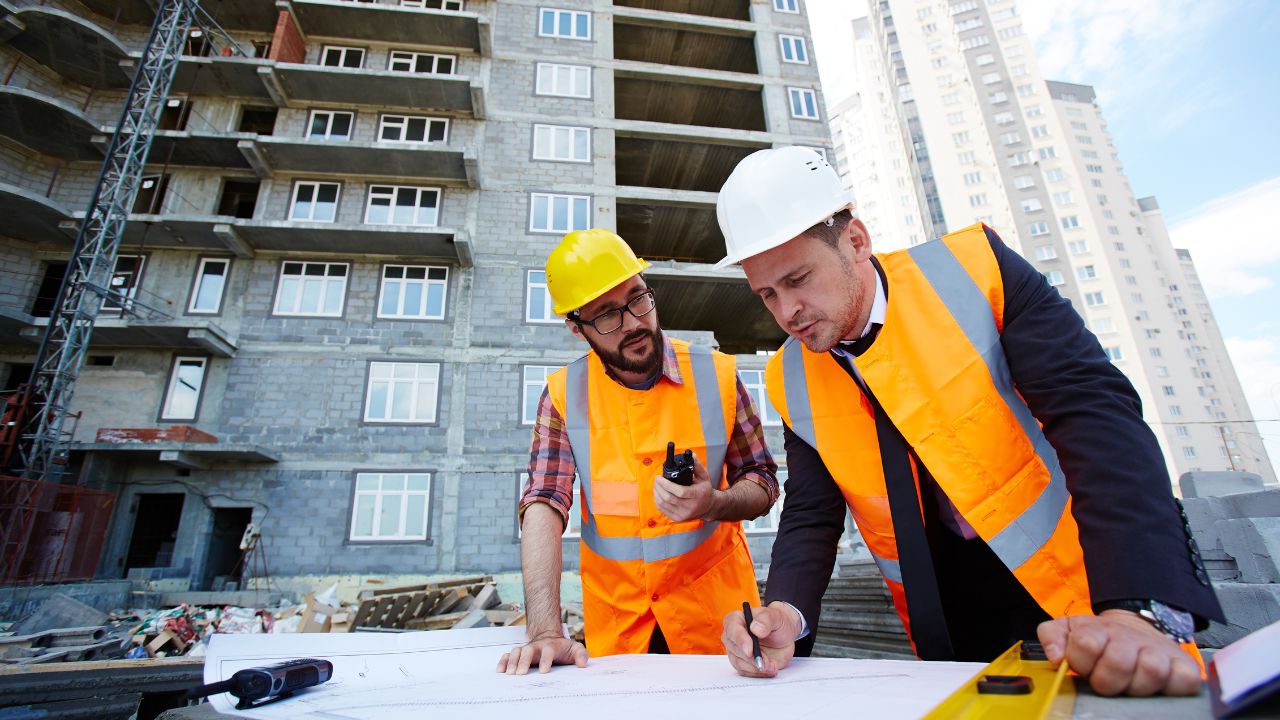
Starting a construction business is an exciting prospect, but it also has challenges that many new builders don’t anticipate. Safety risks can arise quickly when tight budgets, strict deadlines, changing regulations, and multiple contractors are on one job site and not managed properly. You miss one hazard, and you could end up injured, delaying your project, breaking equipment, or incurring an unexpected expense.
That’s why construction risk management shouldn’t be reserved for big companies. It is a practical way for new builders to make early identification of hazards, informed decisions, and to create safer work environments from the outset.
This blog post dives into how early investment in safety planning is necessary, whether they are new or old builders, and saves time, money, and unnecessary setbacks.
Why Do New Builders Face Greater Risks?
New builders usually want to get things done quickly and get a name out there. In the process, safety planning may not be as much of a focus as scheduling, materials, or budgeting.
Common problems include:
● Limited experience dealing with complex job site hazards
● Multiple Subcontractor Coordination
● Staying current with changing safety regulations
● Equipment and worker responsibilities management
● Reactive to unforeseen events
Without a plan, these issues can easily become expensive pain points for workers and project success.
How Does Construction Risk Management Make a Difference?
Effective construction risk management aids builders by anticipating potential hazards before they become serious problems. With planning and regular inspections, many problems can be avoided by builders rather than reacting after an accident.
A good risk management process usually includes identifying hazards, assessing their impact, putting in preventative measures, and evaluating safety practices across the project. This creates a safer working environment and improves productivity while reducing disruptions.
Safety Builds More Than Compliance
Many believe that safety is simply about being compliant. In fact, it also builds trust between workers, clients, and project partners.
Safety integrated into daily routines means teams communicate better, hazards are reported faster, and workers are more secure in their jobs. It can also help you mitigate downtime due to preventable incidents, so projects stay on schedule without compromising the wellbeing of workers.
Developing Good Habits Early Pays Off
The reputation of a construction business is often set in the early years of its existence. Builders who plan, inspect, train, and are accountable are more prepared to take on bigger and more challenging projects in the future.
Practices as simple as frequent site walkthroughs, hazard assessments, and crew talks ensure consistency on each and every project. Through these efforts and practical construction safety solutions, new builders can strengthen the safety culture and improve overall project performance.
A Smart Investment for Long-Term Success
Safety planning is an additional expense for some new builders. The cost of prevention outweighs the financial impacts of accidents, equipment damage, project delays, insurance claims, and many legal complications.
Experience, guidance, and well-planned safety strategies reduce uncertainty while protecting workers and business growth. A solid safety foundation is an asset and not just a requirement with the increasing complexity of projects.
Conclusion
Every construction company starts somewhere, and the decisions made on those first few projects often determine future success. By nailing construction risk management from the start, new builders can cut avoidable risks, boost efficiency, and build safer job sites for everyone involved. Schulz Safety Consulting offers builders practical expertise and proven construction safety solutions that create safer workplaces for long-term growth and enduring confidence.