Amid the ongoing COVID-19 pandemic, schools worldwide face the challenge of providing meals to their students while maintaining social distancing measures. One solution that has gained popularity in recent months is the implementation of contactless school lunch programs. In this blog, we'll explore what contactless school lunch is, its benefits and challenges, and how it can be implemented successfully.
What is Contactless School Lunch?
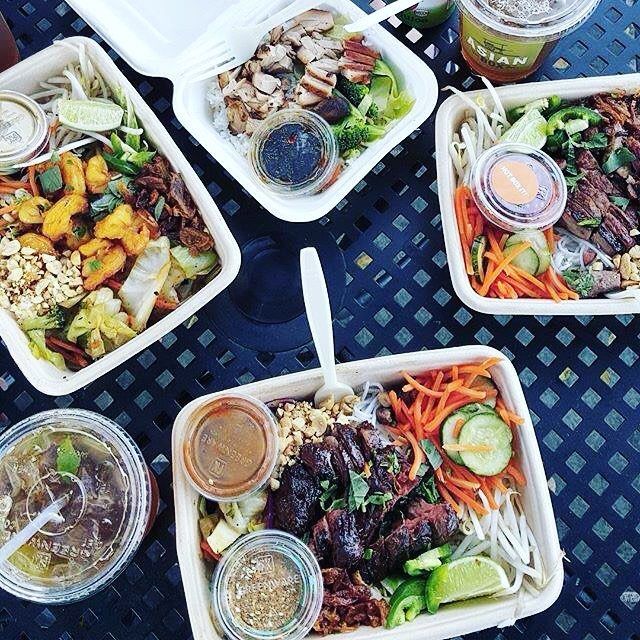
Contactless school lunch refers to a program in which students receive their meals without physically interacting with the school staff or other students. This can be achieved through various methods, such as pre-packaged meals that are picked up by students or delivered directly to their classrooms or through automated vending machines.
Benefits of Contactless School Lunch
- Reduced risk of COVID-19 transmission: The primary benefit of contactless school lunch is that it greatly reduces the risk of COVID-19 transmission. By minimizing the number of people that students come into contact with, schools can help to prevent the spread of the virus and keep students and staff safe.
- Increased convenience and efficiency: Contactless school lunch programs can also be more convenient and efficient for students and school staff. Students can quickly and easily grab their meals without waiting in long lines, and staff can focus on other tasks rather than distributing meals.
- Improved food safety: By pre-packaging meals, schools can ensure food is prepared and stored safely, reducing the risk of foodborne illness.
Challenges of Contactless School Lunch
While contactless school lunch has many benefits, there are also some challenges to consider:
- Cost: Implementing a contactless school lunch program can be expensive, especially if schools purchase vending machines or invest additional staff in preparing and distributing meals.
- Limited menu options: Pre-packaged meals or meals from vending machines may have limited menu options, which can be a drawback for students with dietary restrictions or preferences.
- Lack of personal interaction: Contactless school lunch programs eliminate the opportunity for students to interact with school staff and other students during meal times, which can be a social and emotional drawback for some students.
Implementing a Successful Contactless School Lunch Program
If your school is considering implementing a contactless school lunch program, there are several key factors to consider:
- Assess your school's needs and resources: Before implementing a contactless lunch program, it's important to assess your school's specific needs and resources. This includes evaluating your budget, available space, and staff capacity.
- Choose the right equipment: If you plan to use vending machines or automated kiosks, it's important to choose durable, reliable, and easy to use. It would help if you also considered the cost of maintenance and repairs.
- Develop a menu that meets students' needs: While pre-packaged meals can be convenient, it's important to offer a menu that meets your students' nutritional needs and dietary preferences. This may require partnering with a local catering service or consulting with a registered dietitian.
- Communicate with students and families: To ensure the success of your contactless school lunch program, it's important to communicate with students and their families. This includes explaining the program and its benefits, providing information about the menu options, and addressing any concerns or questions.
- Ensure food safety and quality: In addition to pre-packaging meals, schools should also take steps to ensure that their food is safe and of high quality. This includes monitoring food temperatures, ensuring food storage, and regularly checking expiration dates.
- Train staff on proper procedures: It's important to train school staff on the proper procedures for preparing, handling, and distributing meals in a contactless environment. This may require additional training on food safety and sanitation practices.
- Consider sustainability: While pre-packaged meals may be convenient, they can also generate a lot of waste. Schools should consider reducing waste, such as using recyclable or compostable packaging, implementing a composting program, or partnering with local farmers or food banks to donate unused food.
- Solicit feedback from students and families: To ensure that the contactless school lunch program meets the needs of students and families, it's important to solicit feedback regularly. This can be done through surveys, focus groups, or other forms of communication. Use this feedback to make adjustments and improvements to the program as needed.
By taking these steps, schools can successfully implement a contactless school lunch program that provides students with safe, convenient, and nutritious meals while minimizing the risk of COVID-19 transmission.
In conclusion, contactless school lunch programs are a practical solution for schools during the COVID-19 pandemic, providing safe and convenient meal distribution options. While there are some challenges to consider, such as cost and limited menu options, by assessing needs, choosing the right equipment, developing a menu that meets student needs, communicating with families, ensuring food safety, and soliciting feedback, schools can implement a successful program that meets the needs of students and staff alike. HotLunch.com’s contactless school lunch is a practical and necessary measure that will help keep our schools safe and healthy in the coming months and years.