AI in Supply Chain and Logistics: Driving the Future of Smart Operations
The logistics sector serves as the backbone of the global economy, with modern businesses relying heavily on it to thrive. Whether sourcing raw materials or delivering finished products, logistics plays a pivotal role in maintaining efficient supply chains. As competition intensifies and regulatory challenges grow, the industry must adopt emerging technologies to stay ahead. In this blog, we explore how Artificial Intelligence (AI) is reshaping the supply chain and logistics landscape.
The Growing Significance of AI in Supply Chain Management
Before diving deeper, let’s understand why AI is becoming crucial for supply chain management (SCM). AI-driven SCM uses advanced technologies to automate and optimize various processes, helping businesses make data-driven decisions and gain end-to-end visibility.
Core Capabilities of AI in SCM
AI empowers the supply chain with several cutting-edge capabilities
1. Machine Learning (ML)
ML algorithms analyze historical data to recognize patterns and improve over time. It's instrumental in enhancing demand forecasting and predictive maintenance.
2. Computer Vision
Used to interpret visual data, computer vision supports tasks like quality inspection, inventory monitoring, and operating autonomous equipment such as drones and AGVs.
3. Natural Language Processing (NLP)
NLP allows systems to understand and process human language. This capability powers intelligent chatbots that assist customers and suppliers.
4. Robotic Process Automation (RPA)
RPA streamlines repetitive tasks such as data entry and order processing, boosting overall productivity and operational efficiency.
Key Benefits of AI in Supply Chain Management
Integrating AI into SCM offers transformative benefits
Better Demand Forecasting
AI improves accuracy by analyzing both internal data and external factors, reducing risks of overstocking or stockouts and minimizing waste.
Optimized Transportation
AI optimizes delivery routes, enhances fuel efficiency, and ensures timely shipments, building trust and increasing customer satisfaction.
Greater Inventory Visibility
AI delivers real-time insights into inventory and operations, helping businesses identify bottlenecks and act on them proactively.
Lower Operational Costs
By automating tasks and improving efficiencies, AI helps reduce labor and transportation costs while streamlining processes.
Improved Customer Experience
AI-enabled tools like virtual assistants and chatbots provide 24/7 support, improving response time and customer engagement.
In short, AI adds value to supply chains across industries by enhancing decision-making, agility, and responsiveness.
Implementing AI in the Supply Chain
AI integration is a strategic, phased process that requires planning and transformation. It involves:
- Data Consolidation: Ensuring data from various sources is properly integrated and accessible.
- Process Reengineering: Adapting workflows and systems to align with AI capabilities.
- Training and Change Management: Educating employees on how to use and benefit from AI-powered solutions.
Leading AI development companies combine technologies like ML, NLP, RPA, and computer vision, often integrating them with IoT and blockchain for higher efficiency and security.
The Role of AI in Logistics
AI is revolutionizing logistics through:
- Route and Schedule Optimization
- Warehouse Automation
- Advanced Demand Prediction
- Real-Time Shipment Tracking
Companies like DHL and FedEx have leveraged AI to enhance logistics performance and customer service. However, with innovation comes responsibility.
Challenges and Limitations of AI in Logistics
Despite the advantages, AI implementation in logistics faces several challenges:
- Data Security: Handling sensitive data demands robust cybersecurity measures.
- High Initial Investment: Costs related to infrastructure, tools, and talent can be significant.
- Ethical Concerns: Bias in AI algorithms and data misuse are ethical considerations businesses must address.
SAP SCM: A Real-World Example of AI Integration
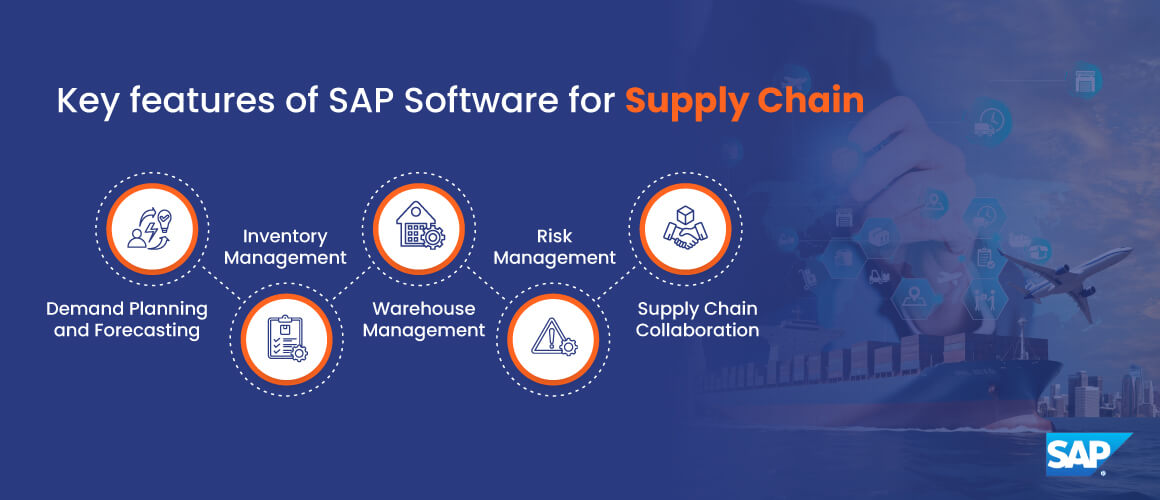
SAP Supply Chain Management (SCM) software is a comprehensive solution that brings AI to life across supply chain operations. Its features include:
- Demand Planning: Accurate forecasting to balance supply and demand.
- Inventory Control: Real-time inventory tracking for better stock placement.
- Warehouse Management: Enhanced warehouse layout and operational efficiency.
- Collaboration Tools: Streamlined coordination with partners and suppliers.
- Risk Mitigation: Proactive identification and management of supply chain risks.
As an official SAP Partner, Silver Touch Technologies enables logistics and supply chain companies to implement and maximize the benefits of SAP SCM solutions.
Future Trends: What’s Next for AI in Logistics?
The future of AI in supply chain management is dynamic and full of promise. We can expect:
- Greater use of autonomous vehicles
- Widespread adoption of AI-powered predictive analytics
- Integration with blockchain for improved transparency and traceability
- More adaptive supply chains capable of responding instantly to real-time disruptions
Final Thoughts
AI is set to redefine logistics and supply chain management, making businesses more agile, efficient, and customer-focused. While challenges like security and ethics must be addressed, the potential benefits far outweigh the drawbacks.
SAP Silver Touch is a trusted name in ERP consulting and implementation. As a certified SAP Partner, we empower enterprises to harness the full potential of SAP AI services tailored for industries like logistics, retail, manufacturing, and healthcare.
Get in touch with us to explore how SAP AI solutions can transform your supply chain operations.
Source - https://sap.silvertouch.com/blog/future-of-logistics-ai-in-supply-chain-management