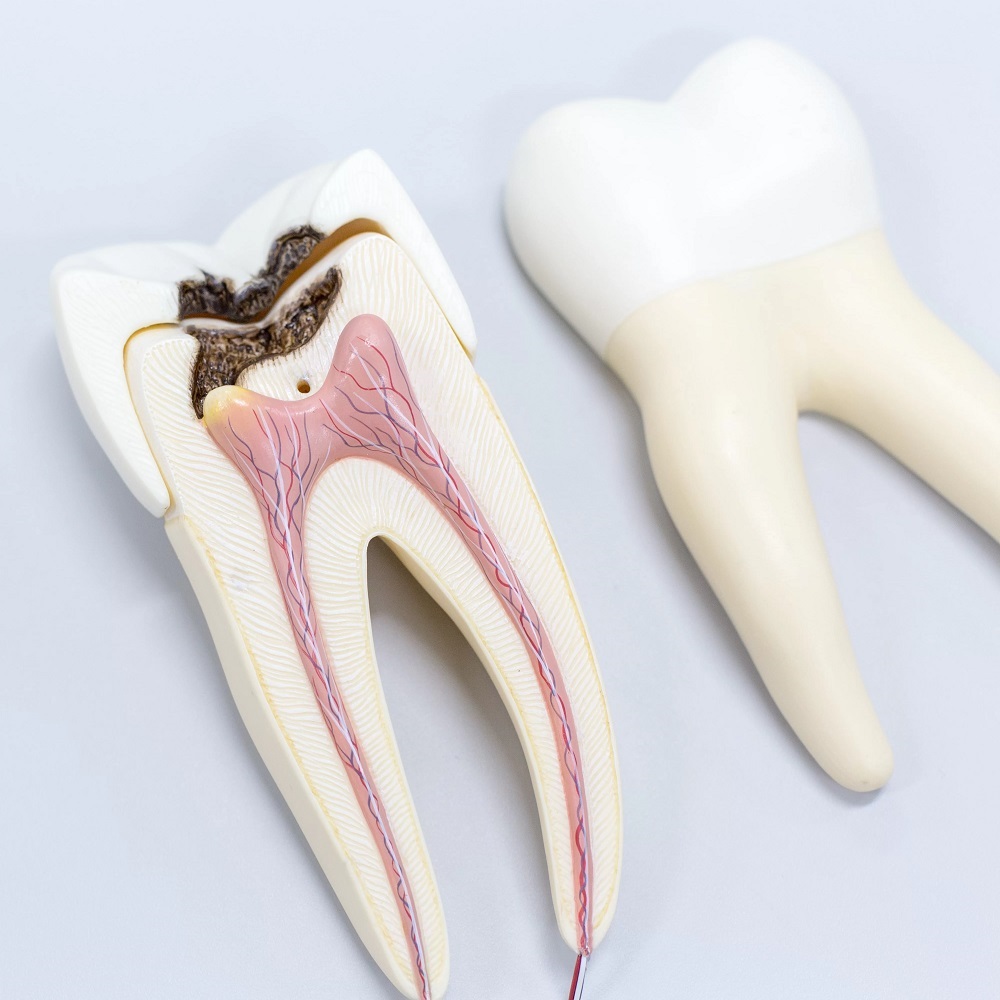
A root canal is a common dental procedure designed to save a damaged or infected tooth. However, not all teeth can be treated with this procedure. Various factors determine whether a tooth is a good candidate for a root canal or if an alternative treatment is necessary. Understanding these conditions can help patients make informed decisions about their dental health. If you're considering Root Canal Treatment in Islamabad, knowing when it might not be an option is essential.
Extensive Tooth Decay
Severe tooth decay that has destroyed a large portion of the tooth structure can make root canal treatment unfeasible. If the decay extends below the gum line or affects the tooth's integrity, it may not provide a stable foundation for restoration. In such cases, tooth extraction might be the only viable solution.
Fractured or Cracked Tooth
Vertical Root Fractures
A tooth with a vertical root fracture is generally not suitable for a root canal. These fractures extend from the chewing surface down to the root, compromising the tooth's stability. Even if a root canal is performed, the fracture may continue to worsen, leading to persistent pain and infection.
Severe Cracks Extending Below the Gum Line
When a crack extends deep below the gum line, it can be challenging to seal the tooth effectively. This increases the risk of bacterial invasion and reinfection, making extraction a more practical option.
Insufficient Tooth Structure for Restoration
A tooth that lacks enough remaining structure to support a crown or filling after a root canal may not be a suitable candidate. If the majority of the tooth is missing, there may not be enough strength left to hold a restoration in place. In such scenarios, extraction and replacement options like dental implants or bridges may be recommended.
Severe Gum Disease
Periodontal disease, especially in its advanced stages, can weaken the bone and surrounding tissues that support the tooth. If a tooth lacks proper support due to gum recession or bone loss, even a successful root canal may not prevent eventual tooth loss. Dentists often assess the overall gum and bone health before recommending a root canal.
Persistent Infection Despite Previous Root Canal
Failed Root Canal Therapy
In some cases, a previously treated tooth continues to experience infection or discomfort. This could be due to hidden canals, incomplete cleaning of infected tissue, or reinfection. If a retreatment is unsuccessful or impractical, extraction might be the best course of action.
Chronic Abscess Formation
A recurring dental abscess despite root canal attempts indicates that the infection has not been fully eradicated. This often suggests that the tooth may not respond well to additional treatments and could require removal.
Complicated Root Anatomy
Some teeth have complex root structures, making it difficult to thoroughly clean and fill the canals. Extra or curved roots, calcified canals, or unusual anatomical variations can prevent a dentist from performing a successful root canal. When cleaning and sealing the canals completely is not feasible, alternative treatments must be considered.
Alternative Options When Root Canal is Not Feasible
When a tooth is not suitable for root canal treatment, other options may be explored, such as:
- Tooth Extraction: If saving the tooth is impossible, removing it might be the only option to prevent further infection.
- Dental Implants: A durable and natural-looking solution to replace a lost tooth.
- Bridges or Dentures: Alternative prosthetic options for restoring function and aesthetics.
Understanding the cost of root canal treatment in Pakistan can also help patients weigh their options and choose the most appropriate dental procedure based on their needs and budget.
Conclusion
While root canals can effectively save teeth in most cases, certain conditions may render a tooth unsuitable for the procedure. Extensive decay, severe fractures, periodontal disease, persistent infections, and complicated root anatomy are some of the main reasons why a root canal may not be recommended. Consulting with a qualified dental professional ensures the best course of action tailored to your oral health needs.