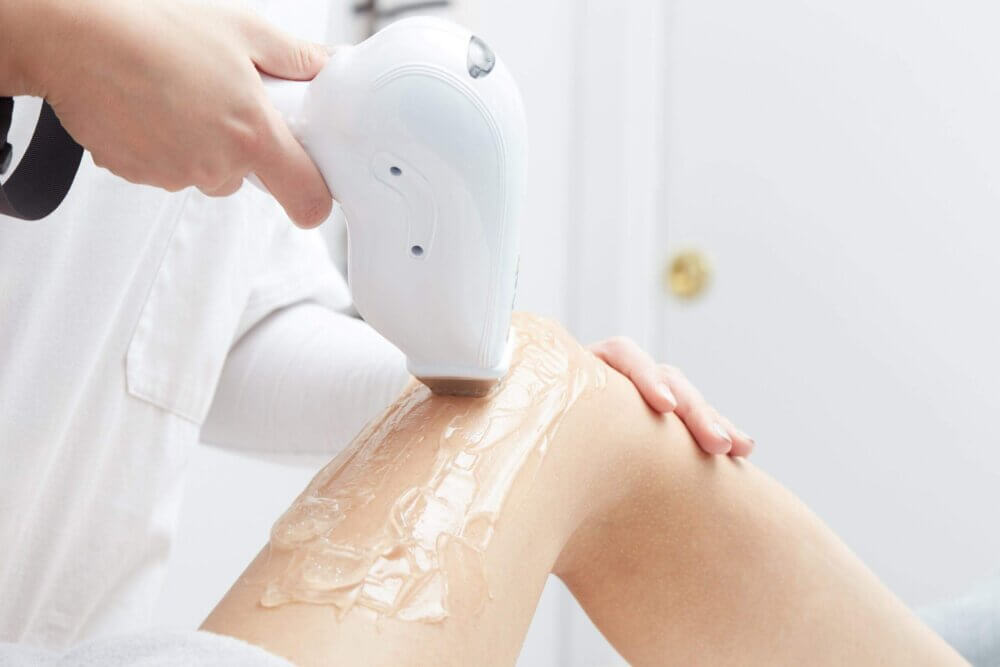
Laser hair removal is a popular and effective method for achieving smooth, hair-free skin. However, not all hair types respond equally well to laser treatments. Understanding the factors that influence the success of laser hair removal can help determine if you are an ideal candidate for the procedure. If you are considering permanent laser hair removal in Islamabad, this guide will help you understand what hair types are most suitable for the treatment.
How Does Laser Hair Removal Work?
Laser hair removal targets the pigment (melanin) in the hair follicle, heating and destroying it to prevent regrowth. The laser energy is absorbed by darker pigments, making certain hair colors and textures more responsive to treatment than others.
Hair Types Suitable for Laser Treatment
1. Dark and Coarse Hair
Dark, coarse hair is the most suitable type for laser hair removal. Since the laser works by targeting melanin, individuals with black or brown hair typically see the best results. The high melanin content in dark hair absorbs the laser energy efficiently, leading to effective hair reduction.
2. Light Brown or Medium Hair
People with light brown or medium-shaded hair can also benefit from laser hair removal. Although the response rate might be slightly lower compared to darker hair, advancements in laser technology have made it possible to treat lighter hair effectively.
3. Fine and Thin Hair
Fine and thin hair, especially if it is dark in color, may still respond to laser treatment, but it might require more sessions for effective results. Some advanced laser systems are designed to target even thinner hair with improved precision.
Hair Types Less Suitable for Laser Treatment
1. Blonde, Red, or Grey Hair
Individuals with blonde, red, or grey hair may not be ideal candidates for laser hair removal. Since these hair colors have little to no melanin, the laser struggles to detect and destroy the hair follicle. Alternative treatments such as electrolysis may be more effective for these hair types.
2. White or Silver Hair
White or silver hair completely lacks melanin, making it highly resistant to laser hair removal. People with these hair colors often need to explore other hair removal methods.
Factors Affecting Laser Hair Removal Success
1. Skin Tone and Contrast
The contrast between hair color and skin tone is crucial for laser effectiveness. The best results are seen in individuals with light skin and dark hair, as the laser can easily differentiate between the two. However, newer laser technologies, such as Nd:YAG lasers, are designed to treat darker skin tones effectively.
2. Hair Growth Cycle
Hair grows in different phases, and laser treatment is most effective during the anagen (active growth) phase. Since not all hairs are in the same phase simultaneously, multiple sessions are required to achieve the best results.
3. Laser Type Used
Different laser types work better for certain hair and skin combinations. The common types include:
- Alexandrite Laser: Best for lighter skin tones and dark hair.
- Diode Laser: Suitable for a range of skin tones with dark hair.
- Nd:YAG Laser: Effective for darker skin tones.
- IPL (Intense Pulsed Light): Works on some lighter hair shades but is less effective than traditional lasers.
How to Prepare for Laser Hair Removal
To get the best results from laser hair removal, proper preparation is key. Here are some essential tips:
- Avoid Sun Exposure: Tanned skin can interfere with laser effectiveness and increase the risk of side effects.
- Shave Before Treatment: Shaving ensures the laser targets the follicle rather than surface hair.
- Avoid Waxing or Plucking: These methods remove the root, making laser treatment less effective.
- Consult a Professional: A dermatologist or laser specialist can assess your hair type and recommend the most suitable laser treatment.
Post-Treatment Care and Expectations
After laser hair removal, it is essential to follow proper aftercare to ensure optimal results:
- Avoid Sun Exposure: Use sunscreen to protect treated areas from UV damage.
- Moisturize the Skin: Hydrated skin heals faster and reduces irritation.
- Expect Gradual Shedding: Treated hair may take a few weeks to shed completely.
- Follow Up with Sessions: Multiple sessions are needed for long-term hair reduction.
Conclusion
If you have dark, coarse hair and are looking for a long-term solution for unwanted hair, laser hair removal could be the right choice for you. However, results vary based on hair and skin type, so it is always best to consult a professional to determine the best approach for your needs. To explore the best options for your skin and hair type, visit Royal Cosmetic Surgery Clinic PK and schedule a consultation with experts in laser hair removal.