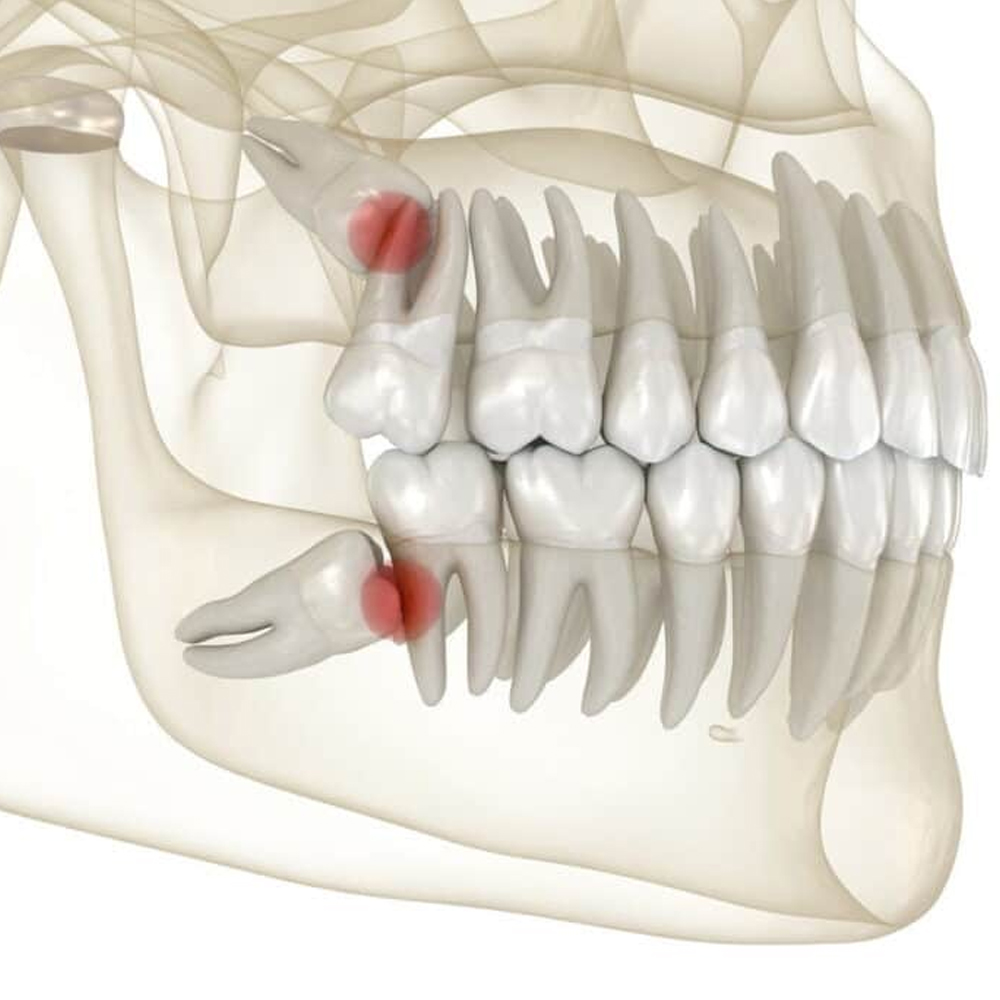
When undergoing wisdom tooth extraction, one of the concerns that patients may face is nerve damage. While the procedure is common and typically safe, it can result in complications in rare cases. Nerve damage after wisdom tooth removal may lead to various uncomfortable symptoms, and it's essential to understand what signs to look out for to ensure you receive the necessary treatment. If you're considering or have already undergone wisdom tooth extraction in Islamabad, it’s important to be aware of potential risks, such as nerve damage, and seek expert care for a smooth recovery. In this blog, we will discuss the symptoms, causes, and steps you can take to determine if you have nerve damage following your wisdom teeth removal.
Understanding the Cause of Nerve Damage After Wisdom Tooth Extraction
Nerve damage occurs when the nerves around the area of the extraction site are injured during the removal of the wisdom teeth. The nerves most commonly affected are the inferior alveolar nerve (IAN), which controls sensation in the lower lip, chin, and teeth, and the lingual nerve, which controls sensation in the tongue and the floor of the mouth. In some cases, if these nerves are disturbed during the procedure, you may experience temporary or, in rare cases, permanent damage. It's important to note that the risk of nerve damage increases if the wisdom teeth are impacted, meaning they are trapped beneath the gum line or are positioned abnormally.
Symptoms of Nerve Damage After Wisdom Teeth Removal
If nerve damage occurs, you may experience several symptoms, some of which might seem alarming. However, understanding these symptoms can help you identify whether there is nerve damage and whether you need to seek immediate medical attention. The most common signs of nerve damage include:
- Numbness or Tingling: The most common symptom is a numb feeling in the lip, chin, tongue, or gums. This may feel like a "pins and needles" sensation, or it could be a complete loss of feeling in the affected area. Numbness in the chin or lip area is a typical sign of inferior alveolar nerve injury.
- Pain or Burning Sensation: Sometimes nerve damage causes an intense burning or sharp pain in the area of the extraction site. This pain can vary in intensity and may worsen when eating, speaking, or touching the affected area.
- Changes in Taste: In some cases, nerve damage can affect the taste sensation, particularly if the lingual nerve is involved. This can result in a strange or metallic taste or the complete loss of taste in certain areas of the mouth.
- Swelling or Inflammation: Nerve damage can sometimes lead to prolonged swelling or inflammation in the mouth, even after the initial healing period. This can be an indication that the nerve is irritated or injured.
How Long Do These Symptoms Last?
If nerve damage occurs, it’s crucial to understand that symptoms may not necessarily be permanent. In many cases, nerve damage caused by wisdom teeth extraction is temporary. The nerves may heal on their own over time, especially if the damage is minor or if the nerves were only bruised rather than severed. Typically, if the damage is temporary, symptoms can improve within weeks to a few months.
However, if the nerve damage is more severe, it may take longer for the symptoms to improve, or in rare instances, permanent damage may occur. This is why it’s essential to monitor your symptoms and consult with your dentist or oral surgeon if you experience prolonged numbness or pain.
When Should You Consult Your Dentist or Oral Surgeon?
If you experience any of the symptoms mentioned above after your wisdom tooth extraction, it’s important to contact your dentist or oral surgeon immediately. Early intervention can help minimize any potential long-term damage. Your healthcare provider may perform additional tests to determine the extent of the nerve damage, such as imaging scans or nerve function tests.
For cases involving significant nerve damage, your dentist may recommend certain treatments to speed up the healing process. In more severe cases, surgery may be required to repair or relieve the pressure on the affected nerves. In such situations, it’s crucial to work closely with an experienced oral surgeon to ensure the best possible outcome.
Preventing Nerve Damage During Wisdom Tooth Extraction
While nerve damage is not always preventable, there are steps you can take to minimize your risk. Choosing an experienced oral surgeon, especially one skilled in wisdom tooth extraction in Islamabad, is vital. An expert in the field will have the knowledge and precision necessary to avoid injuring critical nerves during the extraction procedure.
If you’re concerned about the risk of nerve damage or have had a previous experience with complications, make sure to discuss your concerns with your dentist before the procedure. They may use advanced imaging techniques, such as X-rays or CBCT scans, to evaluate the position of your wisdom teeth and plan the safest approach for extraction.
Conclusion
While nerve damage after wisdom tooth extraction is rare, it can happen. Recognizing the symptoms early on and seeking appropriate treatment can help ensure a smooth recovery. If you are concerned about the potential risks of wisdom tooth extraction or need expert advice, Royal Cosmetic Surgery PK is here to help you navigate your options. By choosing a trusted provider for your wisdom tooth extraction in Islamabad, you can ensure that you receive the best care and minimize the risk of complications.