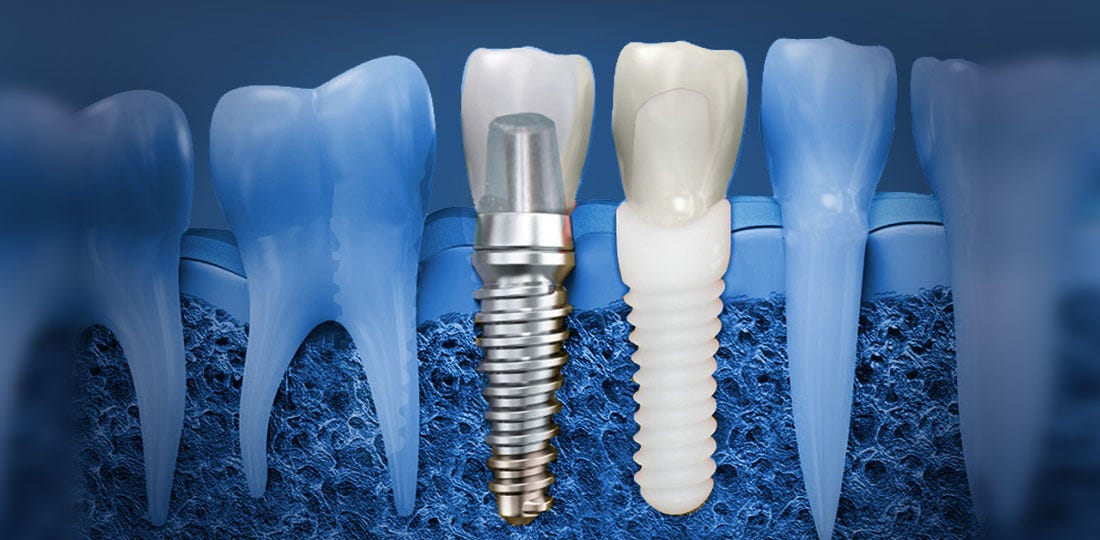
Getting a dental implant in Islamabad is a significant step towards restoring your smile and oral functionality. While the procedure itself is usually straightforward and safe when done by experienced professionals, the aftercare plays a vital role in ensuring long-term success. One of the most overlooked aspects of post-implant recovery is your diet. What you eat—or more importantly, what you should avoid eating—can directly impact the healing process. Understanding dietary restrictions can protect the surgical site, avoid complications, and help your implant integrate properly with the jawbone.
Why Diet Matters After a Dental Implant
After your dental implant surgery, your mouth is in a delicate state. The gum tissues are healing, and the implant is in the initial stage of fusing with the jawbone, a process called osseointegration. Any pressure or contamination caused by certain foods can disrupt this crucial phase. This is why knowing what not to eat becomes essential to prevent pain, infection, or implant failure.
Hard and Crunchy Foods
Right after your dental implant procedure, steer clear of hard or crunchy foods such as nuts, popcorn, hard candies, chips, and raw vegetables. These foods require excessive chewing force and may disturb the healing implant. They can also break or displace the temporary crown, if one has been placed. Even worse, small bits from crunchy foods can lodge in the surgical area, increasing the risk of infection.
Sticky and Chewy Foods
Sticky foods are another red flag post-implant. Items like chewing gum, caramel, toffee, and dried fruits can cling to the surgical area, pull at stitches, or stress the implant site. The suction and effort required to chew such foods can also irritate the wound and cause unnecessary discomfort. These types of foods are best avoided at least until your dentist gives you the green light.
Spicy and Acidic Foods
Spicy foods, although flavorful, can irritate your gums and slow the healing process. Ingredients such as chili, pepper, or hot sauces may trigger inflammation or a burning sensation, making recovery uncomfortable. Similarly, acidic foods like citrus fruits, tomatoes, vinegar-based dressings, and pickles should be avoided as they can corrode tender tissues and delay healing.
Extremely Hot Foods and Beverages
Your mouth will likely be numb for a few hours after the procedure, which increases the risk of burning yourself without realizing it. Additionally, hot foods and drinks can impair blood clotting and worsen inflammation. Soups, tea, and coffee should be allowed to cool before consumption. Lukewarm or room temperature meals are best during the early days of recovery.
Sugary and Processed Foods
While it might be tempting to indulge in soft desserts like cakes, pastries, and puddings, these sugary treats are not your friend during recovery. High sugar intake can lead to bacterial growth and plaque formation around the surgical site, putting your healing process at risk. Processed foods, which often contain hidden sugars and preservatives, may also hinder proper recovery by promoting inflammation.
Alcohol and Carbonated Beverages
Alcohol is a major no-go after a dental implant. Not only does it interfere with prescribed medications like antibiotics and painkillers, but it also slows down healing by impairing blood flow. Carbonated drinks such as soda and sparkling water can irritate the gum tissue and create bubbles that may disturb the surgical site. Both should be completely avoided for at least a week or more, depending on your dentist’s recommendation.
Seeds and Small Grains
Foods like sesame seeds, chia seeds, and small grains such as quinoa or rice can sneak into the healing area and cause infections or discomfort. Even when you think you’re chewing carefully, these small particles can easily get trapped between the teeth or under the gum flap, prolonging the healing time or causing secondary issues.
When Can You Resume a Normal Diet?
It’s natural to want to return to your favorite meals, but patience is key. Your dentist will typically recommend starting with a liquid or soft diet in the first 48-72 hours post-surgery. Gradually, you can incorporate mashed foods, smoothies, scrambled eggs, yogurt, and other soft items. The return to a regular diet will depend on your healing progress, which is usually assessed during follow-up visits. Most patients can resume normal eating habits within a few weeks, but it’s essential to follow professional advice tailored to your condition.
Tips to Manage Diet During Recovery
To make your recovery smoother, consider planning meals in advance. Focus on high-protein soft foods like cottage cheese, scrambled eggs, or pureed lentils to support tissue regeneration. Use a blender to prepare smoothies rich in nutrients and easy to consume. Hydration is equally important, so drink plenty of water—just avoid using a straw, as the suction can disrupt the implant site. Lastly, maintain good oral hygiene without brushing directly over the surgical area, and always rinse gently with a mild saltwater solution if advised.
Conclusion
What you eat after getting a dental implant significantly affects how well and how quickly you heal. Avoiding hard, sticky, spicy, acidic, sugary, and hot foods in the initial recovery phase is crucial. By following a soft and nutrient-rich diet, you give your body the best chance to accept the implant and heal efficiently. And if you're considering dental implants and want trusted, expert care, visit Royal Cosmetic Surgery PK for personalized consultation and treatment in Islamabad.