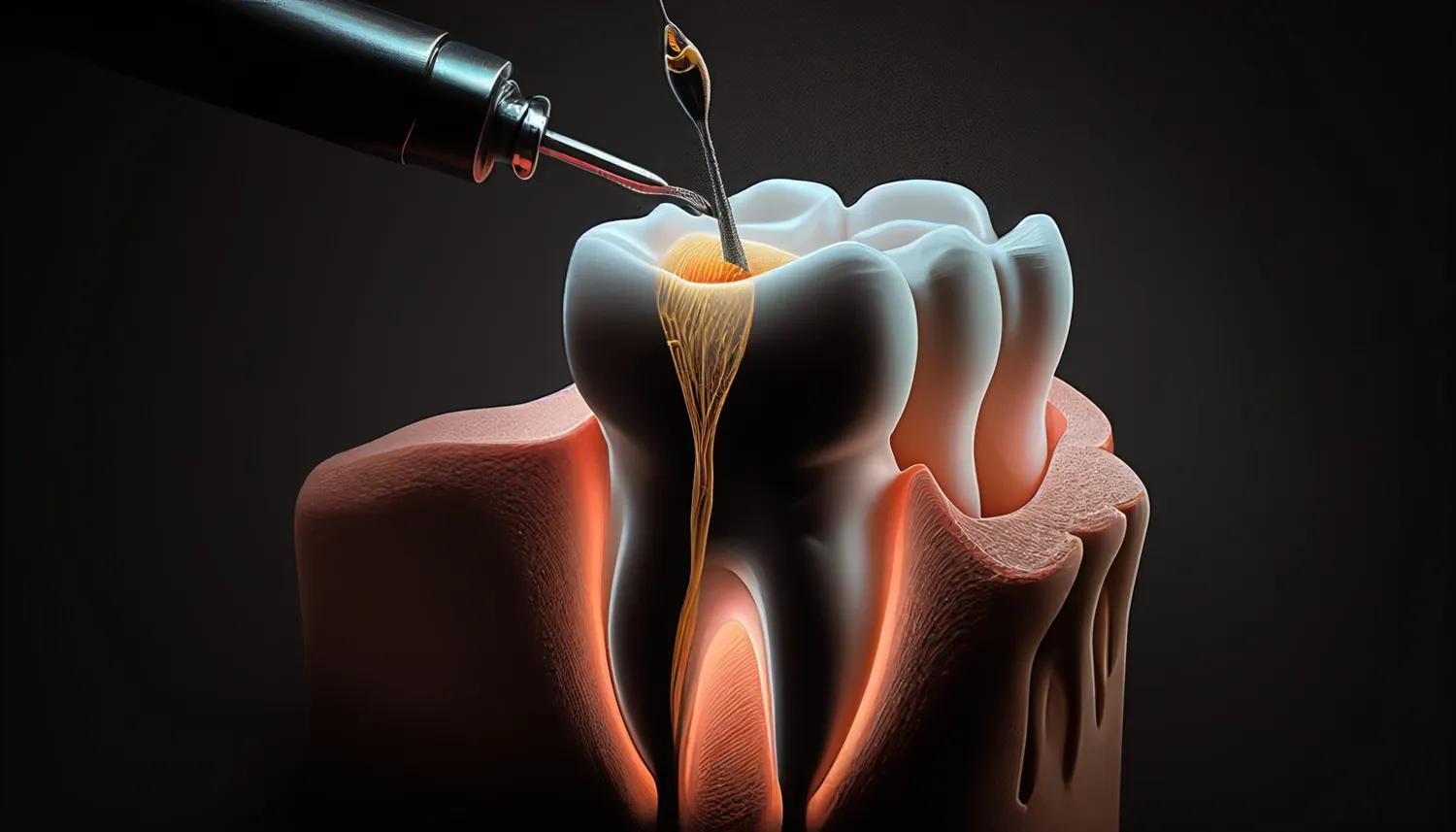
A root canal becomes necessary when bacteria invade the dental pulp—the innermost layer of a tooth that contains nerves and blood vessels. This can happen due to deep decay, cracked teeth, repeated dental procedures, or trauma. Left untreated, the infection may cause intense pain, swelling, and even bone loss. Root canal therapy removes the infected pulp, disinfects the tooth, and seals it to prevent further issues.
Potential Drawbacks of Root Canal Treatment
While root canal treatment offers several benefits, such as pain relief and preservation of the natural tooth, it is not without disadvantages. Being aware of these can help you weigh the risks and benefits before proceeding.
Risk of Reinfection
One of the most common disadvantages is the risk of reinfection. If the sealing of the tooth isn’t perfect or if new decay forms, bacteria can re-enter the root canal and cause a new infection. In such cases, retreatment or even surgical intervention may be required.
Tooth Fragility
After the removal of the pulp, the tooth is essentially "dead," which means it no longer receives nourishment. This can make it more brittle and prone to cracks or fractures. Dentists usually recommend placing a crown over the treated tooth to protect it, but even crowns don’t entirely eliminate this risk.
Not Always a Permanent Solution
Contrary to popular belief, root canal treatment doesn't guarantee a lifetime fix. The tooth may last several years, but complications such as new infections, failed restorations, or structural damage can still occur. If the tooth becomes too compromised, extraction might eventually be necessary.
Cost and Time Involved
Root canal therapy can be expensive, particularly when multiple appointments, x-rays, and a dental crown are involved. Although it’s often more affordable than tooth extraction followed by implant placement, it still represents a significant investment. Additionally, the process can be time-consuming, often requiring more than one visit to the dentist.
For those considering this option in Pakistan, it's helpful to understand the procedure and possible concerns in detail. Learn more about Root Canal Treatment and the factors involved by visiting this specialized page.
Potential for Missed Canals
Human teeth can have complex root systems with multiple canals that might be hard to detect, even with modern imaging techniques. If one or more of these canals are missed during the procedure, the untreated area can become a breeding ground for bacteria, leading to infection or pain.
Temporary Discomfort or Sensitivity
Though root canal treatment is designed to alleviate pain, some patients experience discomfort or sensitivity after the procedure. This is typically due to inflammation or irritation of the surrounding tissues. While such symptoms usually subside within a few days, they can be unsettling for some individuals.
When to Seek a Second Opinion
Given these disadvantages, some patients may benefit from a second dental opinion before committing to a root canal. Alternatives such as tooth extraction followed by a bridge or implant might be better suited in specific cases, especially when the long-term prognosis of the tooth is uncertain.
Conclusion
Root canal treatment is a valuable tool in modern dentistry, offering relief and functionality to millions. However, it's not without its limitations and risks. Understanding the potential downsides—such as reinfection, tooth fragility, cost, and possible failure—empowers patients to make informed choices. For personalized care and expert dental solutions, trust Royal Cosmetic Surgery PK, a clinic known for excellence in restorative and cosmetic dentistry in Pakistan.