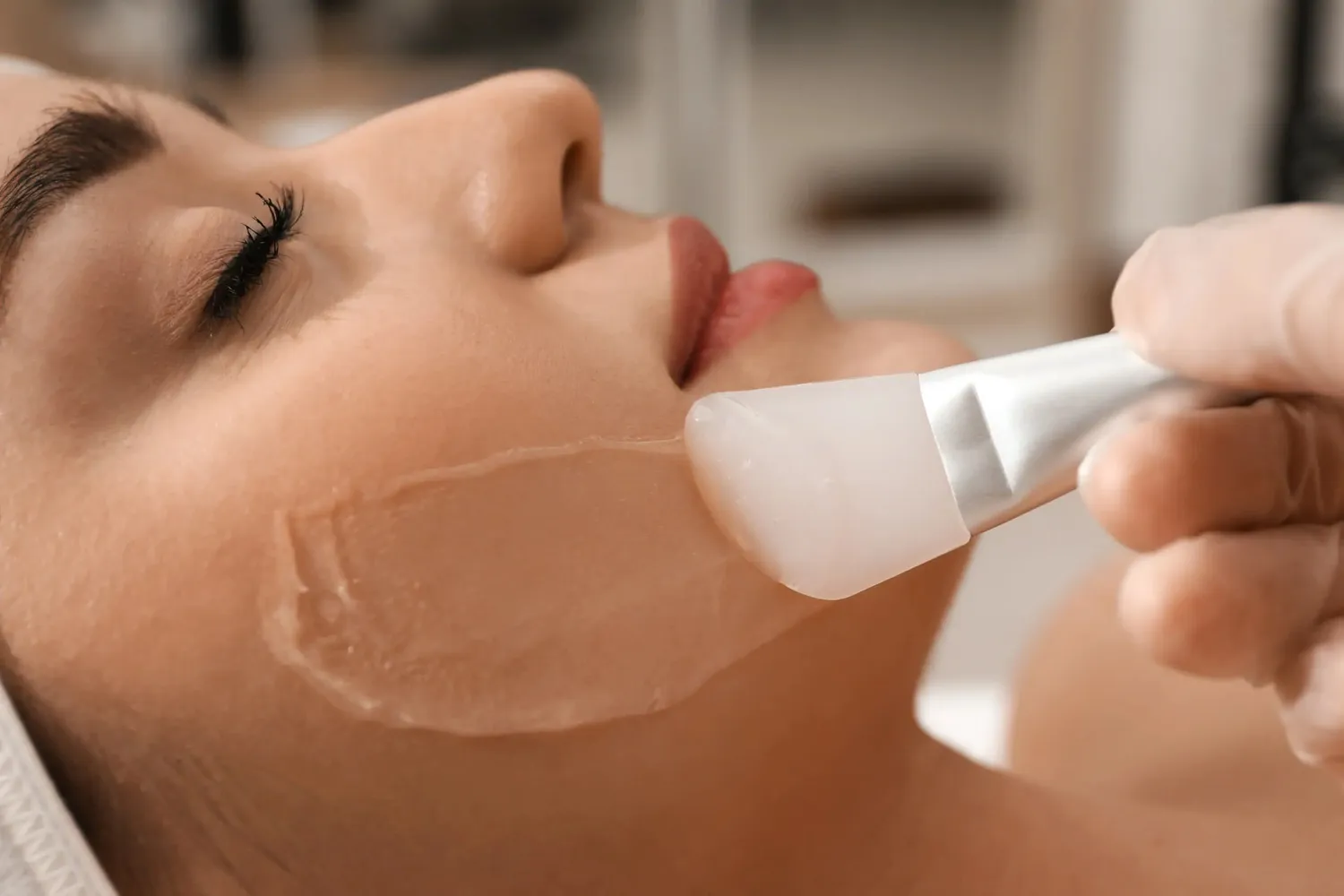
Chemical peels are one of the most effective skincare treatments to improve skin texture, reduce hyperpigmentation, and combat signs of aging. However, to achieve the best results, it’s essential to space out the sessions properly. The gap between chemical peels varies depending on the type of peel used, individual skin type, and the desired outcome. If you are considering a chemical peel treatment in Islamabad, understanding the right interval between sessions is crucial for safe and effective results.
How Often Should You Get a Chemical Peel?
The frequency of chemical peels depends on the type and strength of the peel used. There are three main types:
1. Superficial Peels
Superficial peels use mild acids like glycolic or lactic acid to gently exfoliate the outermost layer of the skin. These peels require minimal downtime and can be done more frequently.
- Recommended Gap: Every 2 to 4 weeks
- Ideal for: Mild acne, minor discoloration, and general skin rejuvenation
2. Medium Peels
Medium-depth peels use stronger acids such as trichloroacetic acid (TCA) to penetrate deeper into the skin. These peels effectively treat wrinkles, moderate pigmentation issues, and acne scars.
- Recommended Gap: Every 4 to 6 weeks
- Ideal for: Moderate skin damage, fine lines, and acne scars
3. Deep Peels
Deep chemical peels use potent acids like phenol to target severe skin concerns. These treatments require significant downtime and long recovery periods.
- Recommended Gap: Once every 6 to 12 months
- Ideal for: Deep wrinkles, severe pigmentation, and extensive sun damage
Factors That Influence the Gap Between Chemical Peels
1. Skin Type and Sensitivity
Individuals with sensitive skin may require longer recovery times between peels, while those with resilient skin can tolerate more frequent sessions.
2. Skin Concerns Being Addressed
The severity of your skin condition also determines how often you should get a peel. More intensive concerns like deep scars may need longer intervals for complete healing.
3. Strength of the Chemical Peel
Stronger peels require more time between treatments to allow the skin to fully regenerate, reducing the risk of irritation or damage.
4. Post-Peel Care and Healing
Proper aftercare, including hydration, sun protection, and using gentle skincare products, can affect how quickly your skin recovers and when you can schedule your next peel.
What Happens If You Get Chemical Peels Too Frequently?
Over-exfoliation can lead to irritation, increased sensitivity, and even damage to the skin barrier. Common side effects of excessive chemical peels include:
- Persistent redness and inflammation
- Increased risk of hyperpigmentation
- Excessive dryness and peeling
Spacing out your chemical peel treatments appropriately ensures that your skin heals properly and benefits fully from each session.
How to Determine the Best Interval for Your Chemical Peel?
To find the optimal gap between chemical peels, consider the following:
- Consult a Skincare Professional: A dermatologist or skincare specialist can recommend the best schedule based on your skin type and concerns.
- Monitor Your Skin’s Response: Pay attention to how your skin reacts after each peel and adjust the interval accordingly.
- Follow a Personalized Skincare Plan: Complement your chemical peel sessions with a well-structured skincare routine to maintain results.
Conclusion
The ideal gap between chemical peels depends on several factors, including the type of peel, your skin’s condition, and your overall skincare goals. Superficial peels can be done more frequently, while medium and deep peels require longer intervals for safe and effective results. To achieve the best outcome, it’s always recommended to seek professional advice and follow a customized treatment plan. For more expert skincare solutions, visit the Royal Cosmetic Surgery Clinic PK and explore the best treatments for your skin.