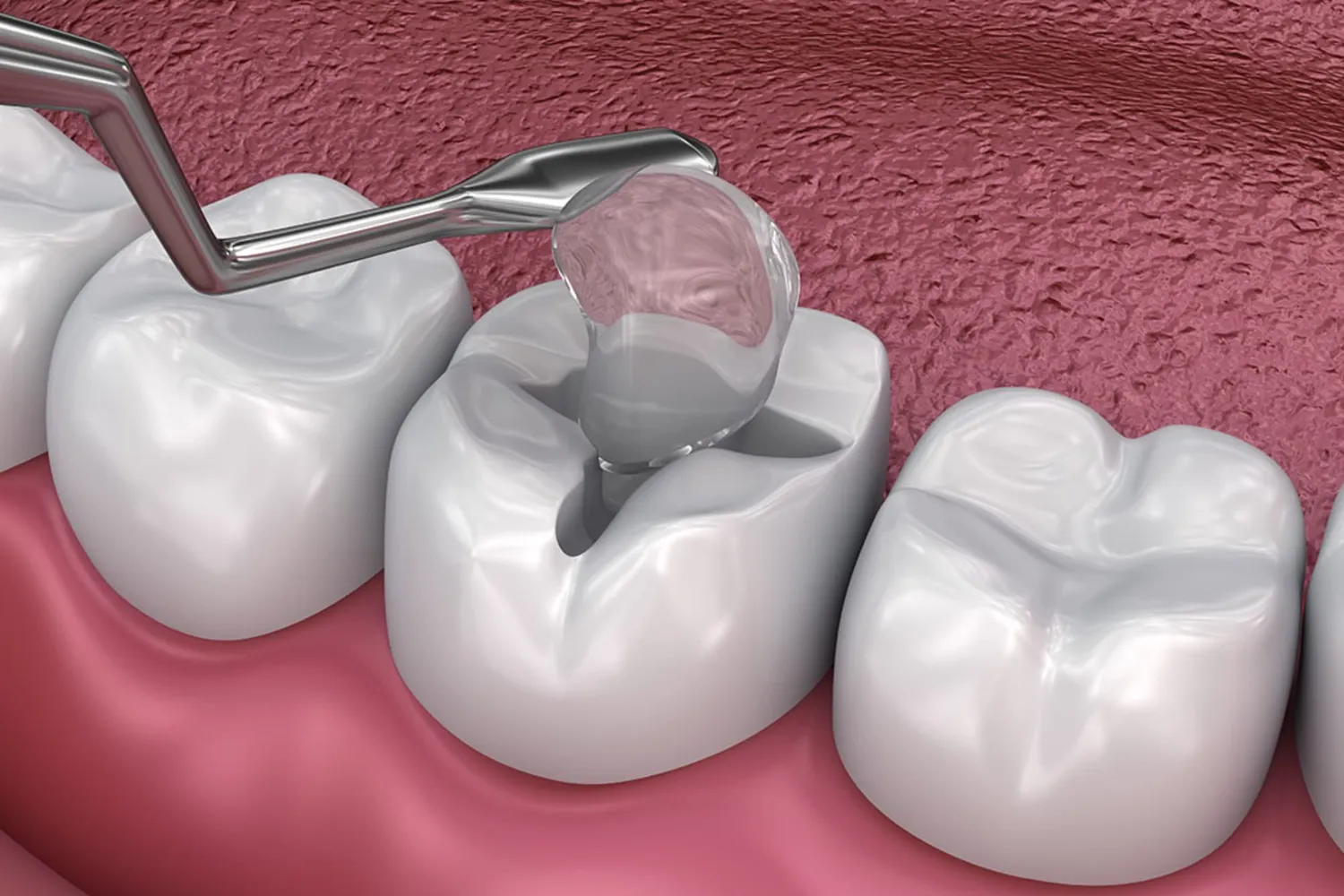
Dental fillings are a common solution for treating cavities and preventing further tooth decay. Many people wonder how many fillings are considered normal and whether having multiple fillings is a cause for concern. This blog will explore the factors that influence the number of fillings a person may need and provide insights into maintaining optimal oral health.
Understanding Dental Fillings
A dental filling is a restorative procedure used to repair cavities or minor tooth fractures. It helps restore the tooth's function and structure while preventing further decay. The need for fillings varies among individuals based on factors such as oral hygiene, diet, and genetics.
How Many Fillings Does the Average Person Have?
The number of fillings a person needs depends on several factors, including age, diet, and oral hygiene practices. On average, adults may have 3 to 4 fillings, while some individuals have none, and others may require 10 or more over a lifetime. Regular dental check-ups play a crucial role in detecting cavities early and reducing the need for extensive fillings.
Factors That Influence the Need for Fillings
1. Oral Hygiene Practices
Poor brushing and flossing habits increase the risk of cavities, leading to a higher number of fillings. Maintaining proper oral hygiene can significantly reduce the need for dental restorations.
2. Diet and Sugar Consumption
Diets high in sugary foods and acidic beverages contribute to tooth decay. Frequent consumption of sugary snacks can lead to multiple cavities and, consequently, more fillings.
3. Genetics and Tooth Structure
Some individuals are genetically predisposed to weaker enamel, making them more susceptible to cavities. In such cases, fillings may be required more frequently.
4. Regular Dental Visits
Routine dental check-ups help detect cavities early. Early detection and treatment can minimize the need for extensive fillings and other dental procedures.
When Should You Be Concerned About Too Many Fillings?
While having multiple fillings is common, an excessive number may indicate underlying oral health issues. If you find yourself needing fillings frequently, it might be time to reassess your dental care routine, diet, and habits.
Signs You May Need More Fillings Than Normal
- Frequent tooth sensitivity or pain
- Visible holes or discoloration in teeth
- Persistent bad breath
- Frequent plaque buildup despite regular brushing
How to Reduce the Need for Fillings
While fillings are effective in treating cavities, prevention is always better than cure. Here are some ways to reduce the risk of cavities and minimize the need for fillings:
1. Maintain Good Oral Hygiene
Brushing twice a day, flossing regularly, and using fluoride toothpaste can help protect your teeth from decay.
2. Watch Your Diet
Limiting sugary foods, drinking plenty of water, and incorporating calcium-rich foods can strengthen your teeth and prevent cavities.
3. Use Preventive Dental Treatments
Fluoride treatments and dental sealants can provide additional protection against cavities, reducing the need for fillings.
4. Visit Your Dentist Regularly
Regular dental check-ups and professional cleanings can help detect early signs of decay and prevent the need for extensive dental work.
Cost Considerations for Fillings
The cost of dental fillings can vary depending on the material used, the complexity of the procedure, and the location of the clinic. If you’re considering getting a filling, it’s essential to explore teeth filling costs in Islamabad to make an informed decision.
Conclusion
The number of fillings a person needs varies based on individual factors, but maintaining proper oral hygiene and making regular dental visits can significantly reduce the need for them. If you suspect you need a filling, it’s important to consult a dental professional. For high-quality Dental filling in Islamabad, visit a reputable clinic to ensure the best care for your oral health.