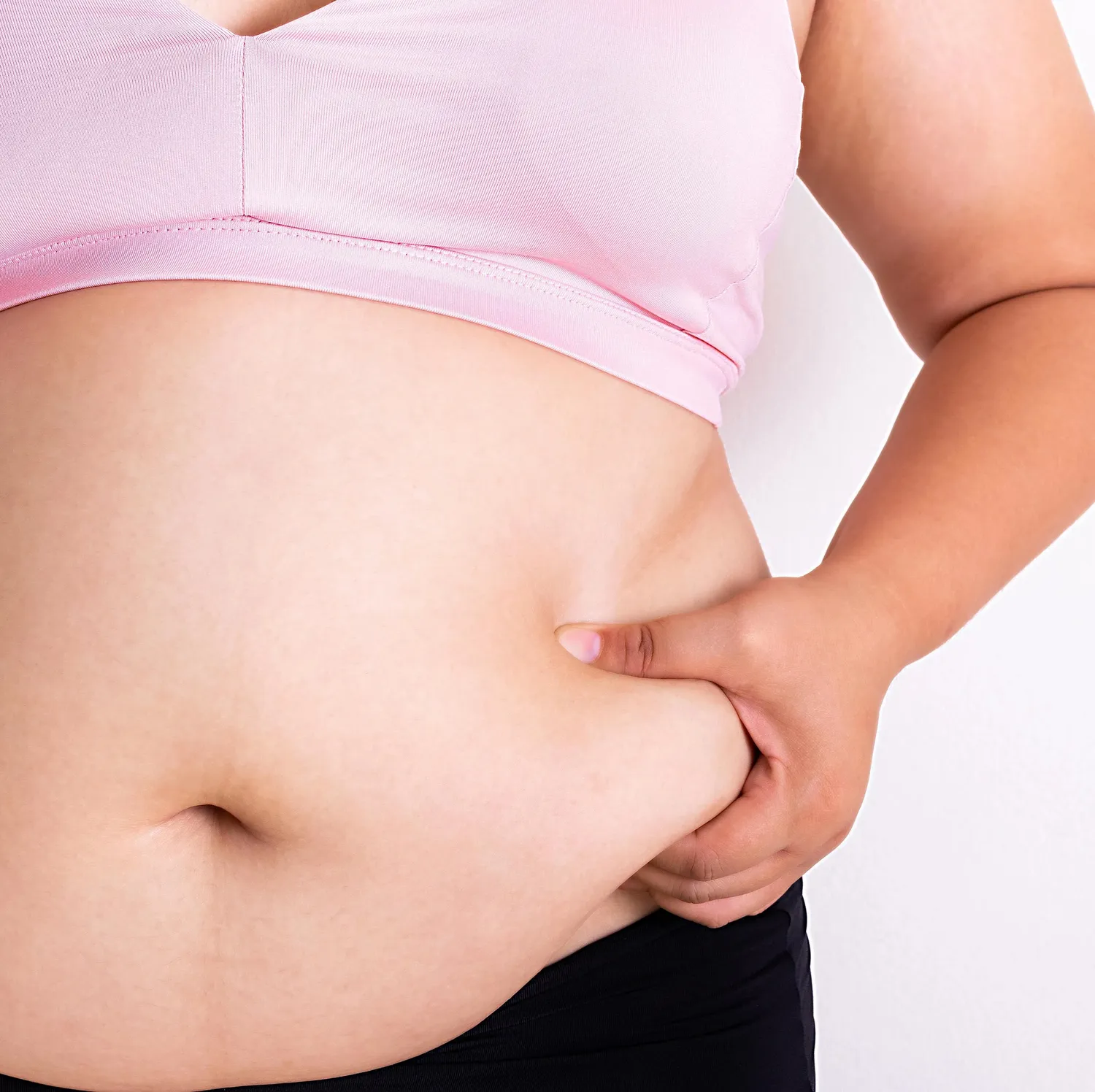
Bariatric surgery is a life-changing procedure that helps individuals struggling with obesity achieve significant weight loss. If you are considering Bariatric Surgery in Islamabad, it is essential to understand the post-surgical guidelines to ensure a smooth recovery and maintain long-term weight loss success. While the procedure itself is highly effective, certain habits and activities should be avoided after surgery to prevent complications and maximize results.
1. Avoid Overeating
One of the most important things to avoid after bariatric surgery is overeating. Since the stomach is significantly reduced in size, consuming large portions can cause discomfort, nausea, or even severe complications like stretching the stomach pouch. It is crucial to eat smaller, nutrient-dense meals to support proper digestion and long-term success.
2. Say No to Carbonated Beverages
Carbonated drinks, including soda and sparkling water, should be completely avoided. These beverages can introduce excess gas into the stomach, leading to bloating, discomfort, and the risk of stretching the stomach pouch over time. Instead, patients should focus on drinking plenty of water and non-carbonated, sugar-free fluids.
3. Avoid Drinking Liquids While Eating
Drinking liquids during meals can push food through the stomach too quickly, reducing the absorption of essential nutrients and leaving individuals feeling hungry sooner. It is recommended to wait at least 30 minutes before and after meals to drink fluids, ensuring optimal digestion and nutrient absorption.
4. Avoid High-Calorie, Low-Nutrient Foods
Foods that are high in sugar, unhealthy fats, and refined carbohydrates should be avoided after bariatric surgery. These foods provide little nutritional value and can lead to weight regain. Instead, focus on consuming lean proteins, vegetables, and healthy fats to maintain energy levels and support overall health.
5. No Alcohol Consumption
Alcohol should be avoided after bariatric surgery due to its high-calorie content and its ability to be absorbed more quickly in the altered digestive system. This can lead to increased intoxication and a higher risk of addiction. Additionally, alcohol can irritate the stomach lining and interfere with proper healing.
6. Do Not Skip Meals
Skipping meals may seem like a good way to reduce calorie intake, but it can lead to nutritional deficiencies and an increased risk of overeating later. Eating small, balanced meals throughout the day helps maintain stable blood sugar levels and supports sustained weight loss.
7. Avoid Strenuous Physical Activity Too Soon
While physical activity is crucial for maintaining weight loss, it is essential to avoid strenuous exercise immediately after surgery. Heavy lifting and high-impact workouts can strain the healing incisions and cause complications. Patients should gradually reintroduce exercise, starting with light activities like walking and progressing as advised by their doctor.
8. Do Not Ignore Hydration
Dehydration is a common issue after bariatric surgery, as the reduced stomach size limits fluid intake. It is essential to sip water throughout the day to prevent dehydration and support overall health. However, avoid gulping large amounts at once, as this can cause discomfort.
9. No Smoking or Tobacco Use
Smoking and tobacco use should be completely avoided after bariatric surgery. Nicotine can constrict blood vessels, impair healing, and increase the risk of complications such as ulcers and infections. Patients should quit smoking before undergoing surgery and maintain a smoke-free lifestyle post-surgery.
10. Do Not Neglect Follow-Up Appointments
Regular follow-up appointments with the bariatric surgeon and nutritionist are vital for monitoring progress and addressing any concerns. Skipping these check-ups can lead to complications going unnoticed, resulting in potential health risks. Patients should adhere to their scheduled visits for long-term success.
Conclusion
Bariatric surgery is a powerful tool for weight loss, but maintaining results requires a commitment to healthy habits. By avoiding overeating, carbonated drinks, alcohol, and unhealthy foods while focusing on hydration, exercise, and medical follow-ups, patients can enjoy a successful post-surgery journey. For expert guidance and professional care, visit Royal Cosmetic Surgery Clinic PK and take the first step toward a healthier future.