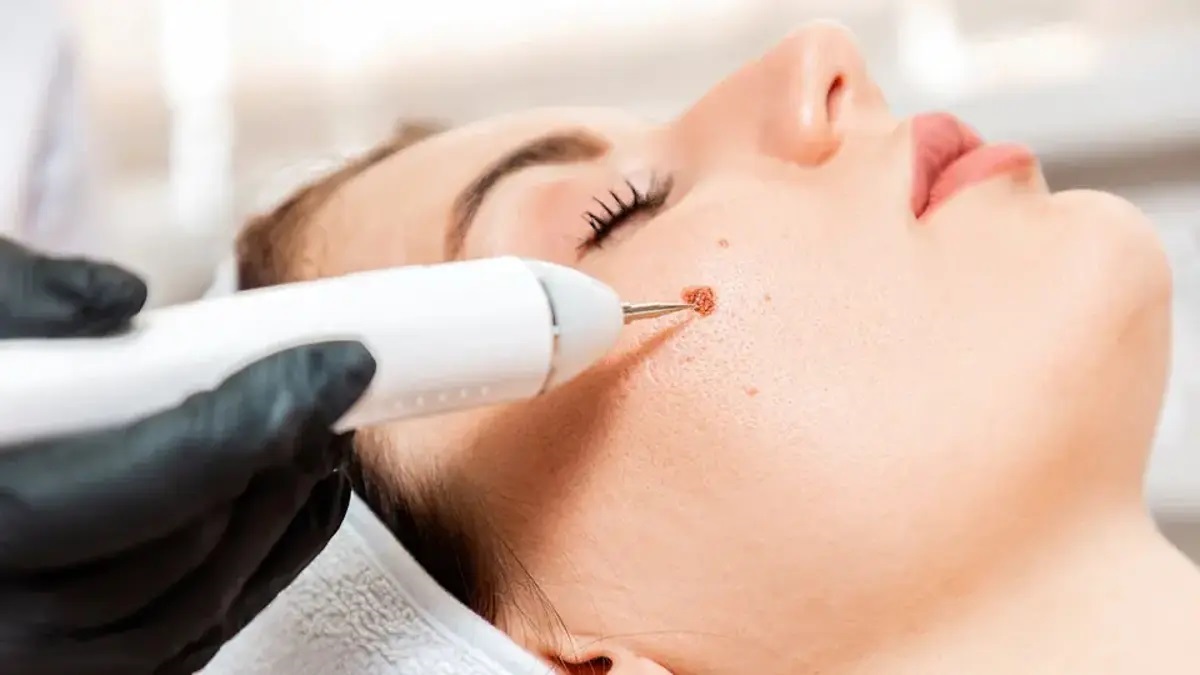
Warts are small, noncancerous growths caused by the human papillomavirus (HPV). They often appear on hands, feet, and other parts of the body, creating discomfort or embarrassment. Once a wart is treated, many people are left wondering: How do I know if my wart is completely gone? Understanding the signs of successful wart removal can help you ensure your skin has healed properly and reduce the chances of recurrence.
What Happens During Wart Removal?
Wart removal can be achieved through a variety of methods, such as cryotherapy (freezing), salicylic acid treatments, laser therapy, or surgical excision. Each technique works to destroy the wart tissue and stimulate an immune response that prevents it from coming back. In cities like Islamabad, advanced dermatological services offer multiple effective options for warts removal in Islamabad, tailored to the patient’s needs and the type of wart present.
Signs Your Wart Is Removed
1. Flattened or Even Skin Texture
One of the clearest indicators that a wart has been successfully removed is when the previously raised area becomes smooth and even. A wart usually appears as a bump with a rough or grainy surface. After treatment, the skin should gradually return to its normal texture. Keep in mind that some minor discoloration may remain, especially if the wart was large or if it had been present for a long time.
2. Absence of Black Dots (Clotted Blood Vessels)
Warts often contain tiny black dots, which are actually clotted blood vessels. These dots can be visible on the surface and are often one of the easiest ways to identify a wart. When the wart is successfully treated, these black dots disappear, and the skin becomes clearer. If you still notice these dots after treatment, it could indicate that parts of the wart remain.
3. No Pain or Discomfort
Warts on the feet (plantar warts) or hands can cause discomfort or pain when pressure is applied. A good sign that your wart is gone is when the area no longer hurts. However, if you continue to feel sensitivity or soreness, it's worth consulting your dermatologist for a follow-up examination.
4. No Regrowth in the Same Spot
A removed wart should not grow back in the same area. If a bump starts to reappear in the same location weeks or months after treatment, it might mean that the wart wasn’t fully eliminated. Complete removal ensures that the viral particles were destroyed or expelled from the skin.
5. Healed Skin Without Scabbing
Following removal, especially with freezing or laser treatment, you might see a scab form. This is part of the body’s natural healing response. Once the scab falls off and the skin looks normal without any underlying lump or irregularity, it’s a good indication the wart has been cleared.
Tips to Prevent Recurrence
1. Keep the Area Clean and Dry
After wart removal, maintaining hygiene is crucial. Moisture and irritation can increase the chances of the wart virus lingering or spreading.
2. Avoid Touching or Scratching
Touching the area frequently can lead to reinfection or the spread of the virus to other parts of the body. Use clean bandages if advised by your doctor.
3. Strengthen Your Immune System
Since warts are caused by a virus, your immune system plays a major role in preventing new outbreaks. A balanced diet, proper sleep, and regular exercise can enhance immunity.
When to See a Dermatologist Again
Even with the best treatment, some warts are stubborn and may require multiple sessions to fully eliminate. If you're unsure whether your wart is completely gone or if a new one appears, it’s essential to consult a professional dermatologist. Delaying treatment can result in further spread or complications.
For effective solutions and expert care, consider consulting Royal Cosmetic Surgery PK, where experienced dermatologists provide advanced care for skin conditions, including persistent or recurring warts