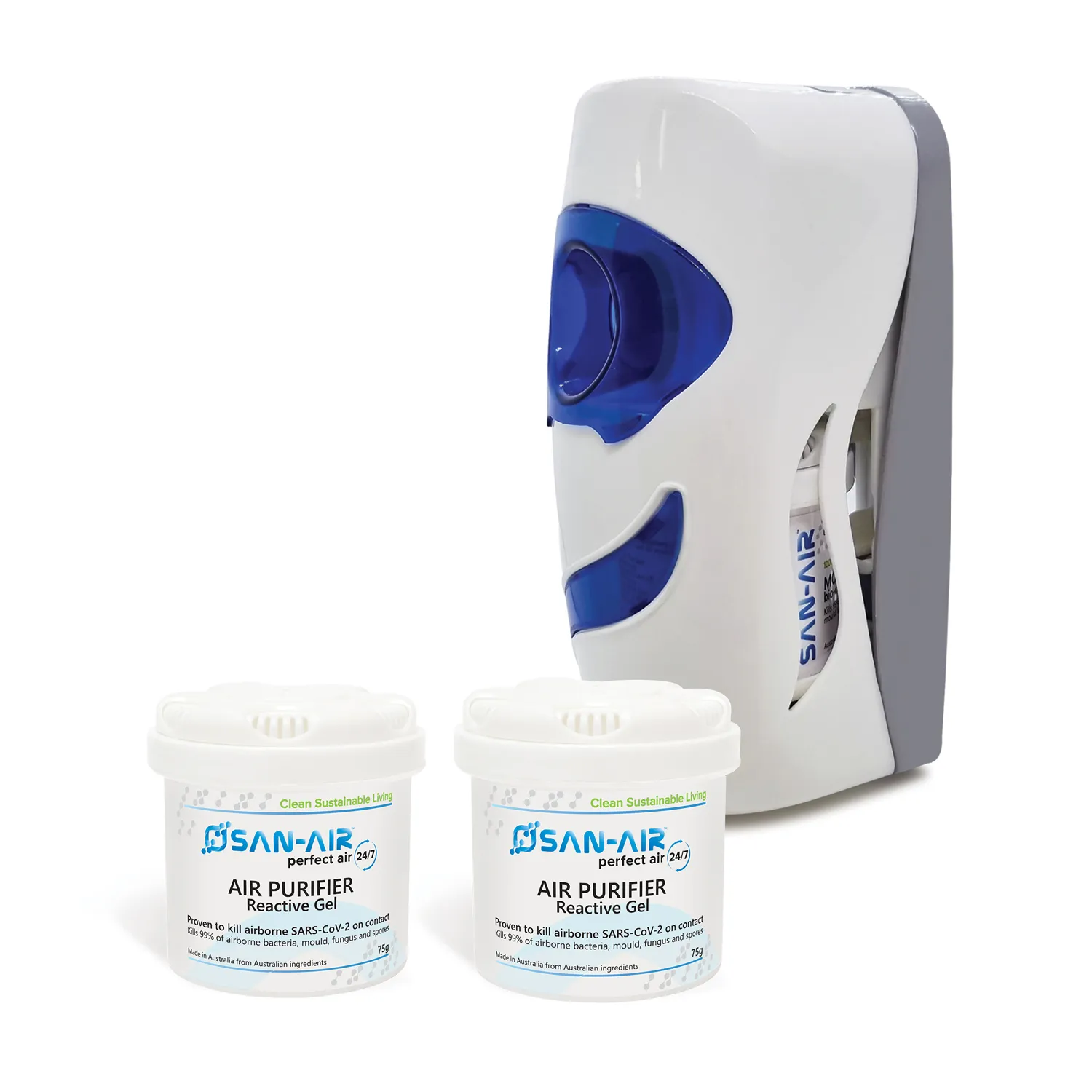
Understanding the Threat of Airborne Viruses
Airborne viruses are microorganisms that can spread through the air when an infected person coughs, sneezes, talks, or even breathes. Common examples include influenza, COVID-19, and certain types of the common cold. These viruses can linger in the air for minutes to hours, especially in enclosed or poorly ventilated spaces, making them a significant health concern. Effective airborne virus prevention is essential to reduce the risk of infection and maintain healthy indoor and public environments.
How Airborne Viruses Spread
Airborne viruses primarily spread through respiratory droplets and aerosols. These microscopic particles can:
- Float in the air and be inhaled by others
- Land on surfaces, leading to indirect transmission
- Spread quickly in crowded or enclosed areas with poor ventilation
Understanding how viruses travel through the air helps in implementing preventive measures to minimize exposure and transmission.
Key Methods for Airborne Virus Prevention
1. Improve Indoor Air Quality
Maintaining clean and well-circulated air is crucial for preventing airborne viruses. Strategies include:
- Using high-efficiency air purifiers with HEPA filters
- Opening windows to allow fresh air circulation
- Ensuring HVAC systems are clean and equipped with proper filters
Good ventilation reduces the concentration of airborne pathogens and lowers the risk of infection.
2. Practice Proper Mask Usage
Wearing masks, particularly in crowded or high-risk areas, is one of the most effective ways to prevent airborne virus transmission. Types of masks include:
- N95 or KN95 respirators: Offer high protection against small particles
- Surgical masks: Provide moderate protection and are suitable for daily use
- Cloth masks: Better than no mask, especially when layered properly
Masks help block respiratory droplets from entering the air and reduce the risk of inhaling viruses.
3. Maintain Physical Distancing
Keeping a safe distance from others—typically 1–2 meters—reduces the likelihood of inhaling virus-laden droplets. Physical distancing is especially important in indoor settings like offices, schools, or public transport, where virus transmission risk is higher.
4. Practice Hand Hygiene
Although airborne viruses primarily spread through the air, contaminated surfaces can also contribute. Regular handwashing with soap and water or using hand sanitizer helps prevent indirect transmission and complements other prevention strategies.
5. Disinfect Frequently Touched Surfaces
High-touch areas such as door handles, light switches, elevator buttons, and workstations can harbor viruses. Regular cleaning with disinfectants helps minimize indirect exposure.
6. Stay Informed and Vaccinated
Vaccinations are a critical preventive measure against many airborne viruses. Staying up-to-date with recommended vaccines, including flu shots and COVID-19 boosters, strengthens immunity and reduces the severity of infection. Additionally, monitoring local health advisories can help you make informed decisions about precautions.
Technological Tools for Airborne Virus Prevention
Air Purifiers and Virus Filters
Modern air purifiers with HEPA filters, UV-C light, or ionization technology can capture and neutralize airborne viruses. These devices are particularly useful in offices, hospitals, classrooms, and other high-traffic indoor areas.
UV-C Sterilization
UV-C light has been proven to inactivate viruses by damaging their genetic material. UV-C devices can be installed in HVAC systems or used as portable units to reduce airborne pathogens in enclosed spaces.
Smart Ventilation Systems
Smart HVAC and air exchange systems monitor air quality and adjust ventilation automatically. These systems maintain optimal airflow, reduce virus concentrations, and provide a healthier indoor environment.
Lifestyle Measures to Support Airborne Virus Prevention
1. Boost Your Immune System
A healthy immune system can help your body fight off viral infections more effectively. Eat a balanced diet, exercise regularly, get enough sleep, and manage stress to support immune function.
2. Limit Exposure in High-Risk Areas
Avoid crowded and poorly ventilated places during virus outbreaks. Opt for outdoor gatherings whenever possible, and use precautions such as masks and hand hygiene when indoor exposure is unavoidable.
3. Educate and Encourage Others
Promote awareness of airborne virus prevention measures among family, friends, and colleagues. Collective adherence to preventive strategies helps reduce overall transmission.
Conclusion: Proactive Airborne Virus Prevention Saves Lives
Preventing the spread of airborne viruses requires a combination of personal responsibility, environmental management, and technological solutions. By improving indoor air quality, using masks, maintaining physical distancing, practicing hand hygiene, and staying informed about vaccines, individuals can significantly reduce the risk of infection. Incorporating these strategies into daily routines not only protects personal health but also contributes to safer communities. Prioritizing airborne virus prevention is essential for long-term health, particularly in public spaces, workplaces, and homes.