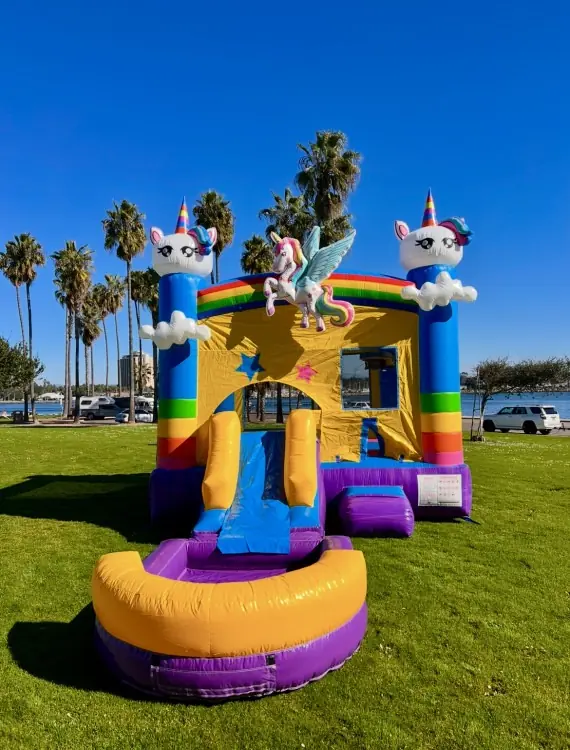
Bounce houses are a staple at children’s parties, school events, and family gatherings. They bring joy, excitement, and endless entertainment. Whether you’re renting or owning a bounce house for parties, ensuring the safety of everyone using it should be a top priority. While they are designed for fun, improper usage can lead to unnecessary accidents and injuries. By following a few essential safety tips, you can guarantee that kids enjoy bouncing around without any risks.
Choose the Right Location
Setting up a bounce house in an appropriate location is the first step toward ensuring safety. The surface should be flat and free of any sharp objects like rocks, tree branches, or debris. Grass is an ideal surface, but if placing the inflatable on concrete, a safety mat should be used to cushion any falls. Keep the bounce house away from fences, walls, and low-hanging branches to prevent potential collisions.
Secure the Bounce House Properly
Strong winds and unexpected weather changes can pose serious risks if a bounce house is not adequately secured. Always use stakes or sandbags to anchor the structure firmly to the ground. If the forecast predicts high winds, it’s best to deflate and store the bounce house until conditions improve. A sudden gust of wind can lift an unsecured inflatable, putting children at risk.
Supervise at All Times
Adult supervision is crucial when children are playing in a bounce house. Having a responsible adult monitor the activity ensures that rules are being followed and that kids are playing safely. Supervisors should watch for roughhousing, pushing, or dangerous stunts that could result in injury. A designated attendant should also ensure that children enter and exit the inflatable safely to avoid trips and falls.
Follow Manufacturer Guidelines
Every bounce house comes with specific guidelines regarding weight limits, age restrictions, and maximum occupancy. Overloading the bounce house can lead to structural damage, increasing the risk of collapse or deflation. Be sure to follow the manufacturer’s recommendations to prevent avoidable accidents.
Separate Age Groups
Allowing children of all ages to jump together can lead to accidental injuries, especially for younger kids. Older children tend to bounce higher and with more force, which can be hazardous for toddlers and smaller kids. To minimize risk, create separate bouncing sessions based on age groups or size to ensure everyone’s safety.
Establish Clear Rules
Setting and enforcing rules can help prevent injuries. Some essential rules include:
- No flipping or somersaults
- No roughhousing or wrestling
- No climbing on the walls of the bounce house
- No bringing in sharp objects, food, or drinks
- No overcrowding beyond the recommended limit
Ensuring all participants understand these rules will help maintain a safe environment for play.
Check for Proper Inflation
A bounce house must be fully inflated before use. Under-inflation can cause the walls to collapse, increasing the risk of injury. Likewise, over-inflation can cause excessive strain on the material, making it more prone to tearing. Always inspect the bounce house before allowing children to enter, ensuring it maintains the proper air pressure.
Keep an Eye on Weather Conditions
Extreme weather conditions can make bounce houses unsafe. High winds, heavy rain, or intense heat can all pose risks. Strong winds may cause the structure to become unstable, while rain can make the surface slippery, increasing the likelihood of falls. In hot weather, the material of the bounce house can become uncomfortably warm, causing burns. It’s best to monitor the forecast and adjust plans accordingly.
Ensure a Safe Entry and Exit
Most bounce houses have an entry ramp to help children get in and out safely. Ensure this area is always clear and accessible. Kids should remove their shoes, glasses, and any sharp accessories before entering. Supervise young children as they enter and exit to prevent tripping or falling.
Perform Regular Inspections
Before every use, check the bounce house for any signs of damage, including holes, tears, or weak seams. If you’re renting a bounce house, inspect it upon arrival and notify the rental company of any issues. A damaged inflatable should never be used, as it may deflate unexpectedly, leading to injuries.
Train Supervisors and Attendants
If you’re hosting a large event with a bounce house, it’s helpful to have multiple adults responsible for monitoring the play area. Brief them on safety protocols, emergency procedures, and how to handle unexpected situations. A well-prepared supervisor can respond quickly to potential hazards.
Have an Emergency Plan
Even with the best precautions, accidents can happen. Having a first-aid kit nearby is essential for handling minor injuries. Supervisors should be familiar with basic first-aid procedures and have an emergency contact list ready. In case of a major incident, knowing the nearest medical facility’s location can be lifesaving.
Limit Playtime Sessions
Extended playtime in a bounce house can lead to exhaustion, dehydration, and overheating. It’s essential to provide kids with breaks between sessions, ensuring they stay hydrated and rested. Rotate groups if necessary, allowing time for everyone to enjoy the inflatable safely.
Ensure Proper Deflation and Storage
When the event is over, deflate the bounce house properly, following the manufacturer’s instructions. Store it in a dry area to prevent mold and mildew growth. Proper storage extends the inflatable’s lifespan and ensures it remains safe for future use.
Why Safety Matters in Bounce House Fun
Bounce houses are meant to provide hours of entertainment, but safety should always come first. By following these essential tips, you can create a secure and enjoyable environment for children. Whether you’re renting or purchasing one of the best bounce houses available, prioritizing safety ensures that the fun never comes with unnecessary risks. A little preparation and supervision go a long way in keeping every jump, bounce, and laugh safe and worry-free.