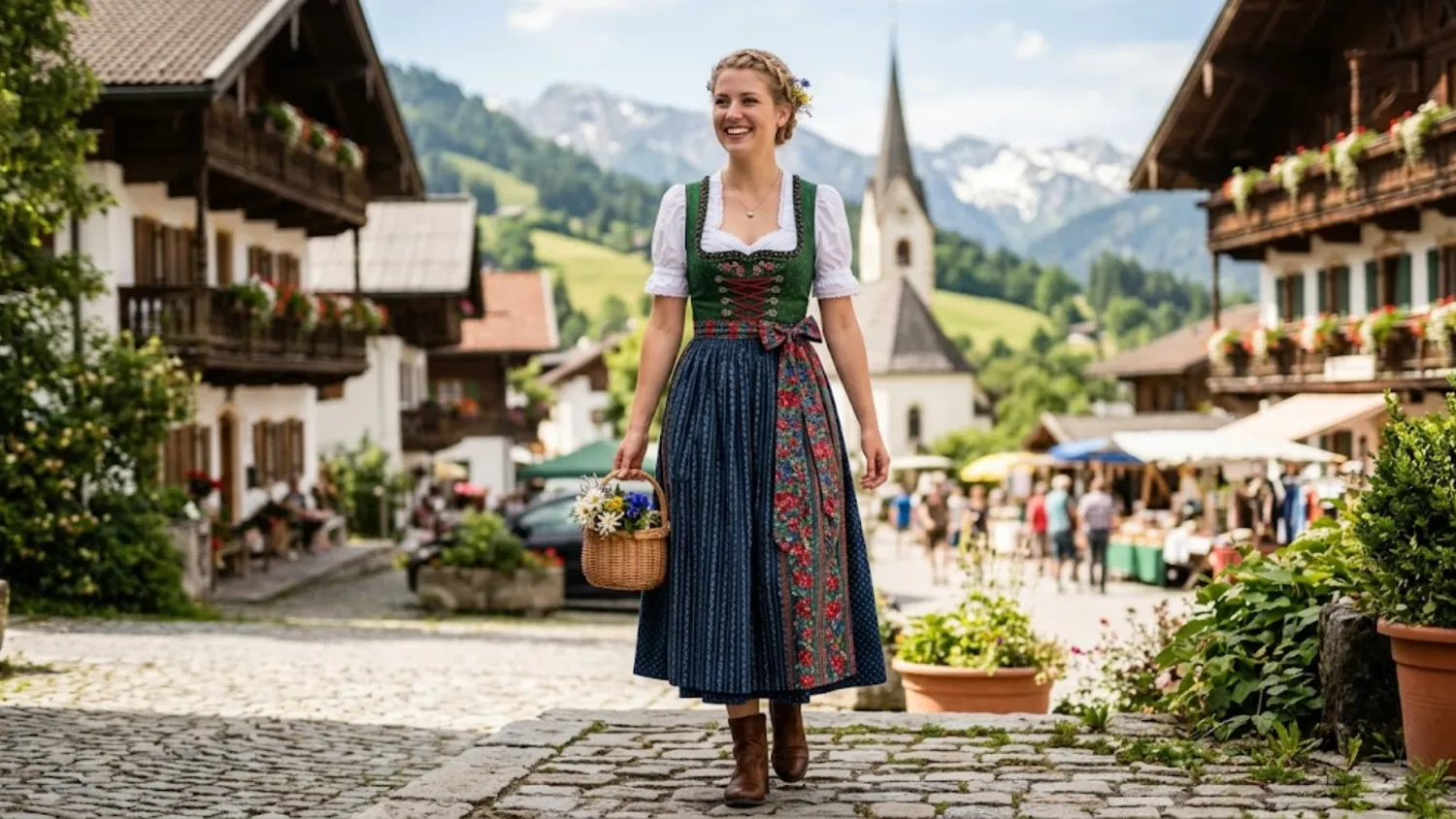
Buying a dirndl dress is one of the most meaningful fashion investments a woman can make — a purchase that connects her to two centuries of Alpine heritage, cultural tradition, and artisan craftsmanship that mass-produced clothing simply cannot replicate. Originally a 19th-century peasant uniform worn by rural women across Bavaria and Austria, the dirndl has evolved into one of the most universally flattering and celebrated traditional garments in the world, worn proudly at Oktoberfest, weddings, and cultural gatherings on every continent. At Elederhosen, we want every woman to make this purchase with complete confidence and genuine cultural knowledge.
The dirndl dress for women available today spans everything from beautifully crafted authentic Tracht pieces to cheap synthetic costume versions that look similar online but disappoint completely in person. This guide covers every essential element of the buying decision — from the three core components and length selection to fit rules, fabric quality, and cultural styling etiquette — so you can shop with total confidence.
Why Every Detail of a Dirndl Purchase Matters
A dirndl is not a dress you pick based on color alone — it is a garment where every decision about length, fabric, fit, and construction either honors or undermines the extraordinary Alpine tradition behind it. The difference between a dirndl that looks genuinely stunning and one that looks like a themed costume comes down entirely to these details, and understanding them before you buy is the single most valuable thing any woman can do before she starts shopping.
At Elederhosen, we hold every piece in our collection to the authentic construction and cultural standards that define genuine Alpine Tracht — because every woman who shops with us deserves a dirndl worth wearing with real pride across many occasions and many years.
The Three Essential Components
An authentic dirndl outfit always consists of three distinct separate pieces that layer together — it is never a single zip-up dress with a permanently attached apron, and any piece sold that way is a costume rather than genuine Tracht.
- The dress itself features a heavily tailored bodice that zips, buttons, or laces up the front and is attached to a gathered full skirt — the bodice must fit flush against the torso without gaps or bunching at any point.
- The blouse is a cropped top ending right below the bustline that fills out the bodice neckline and comes in variations including sweet lace, off-the-shoulder, or high-necked modern cuts depending on the formality of the occasion.
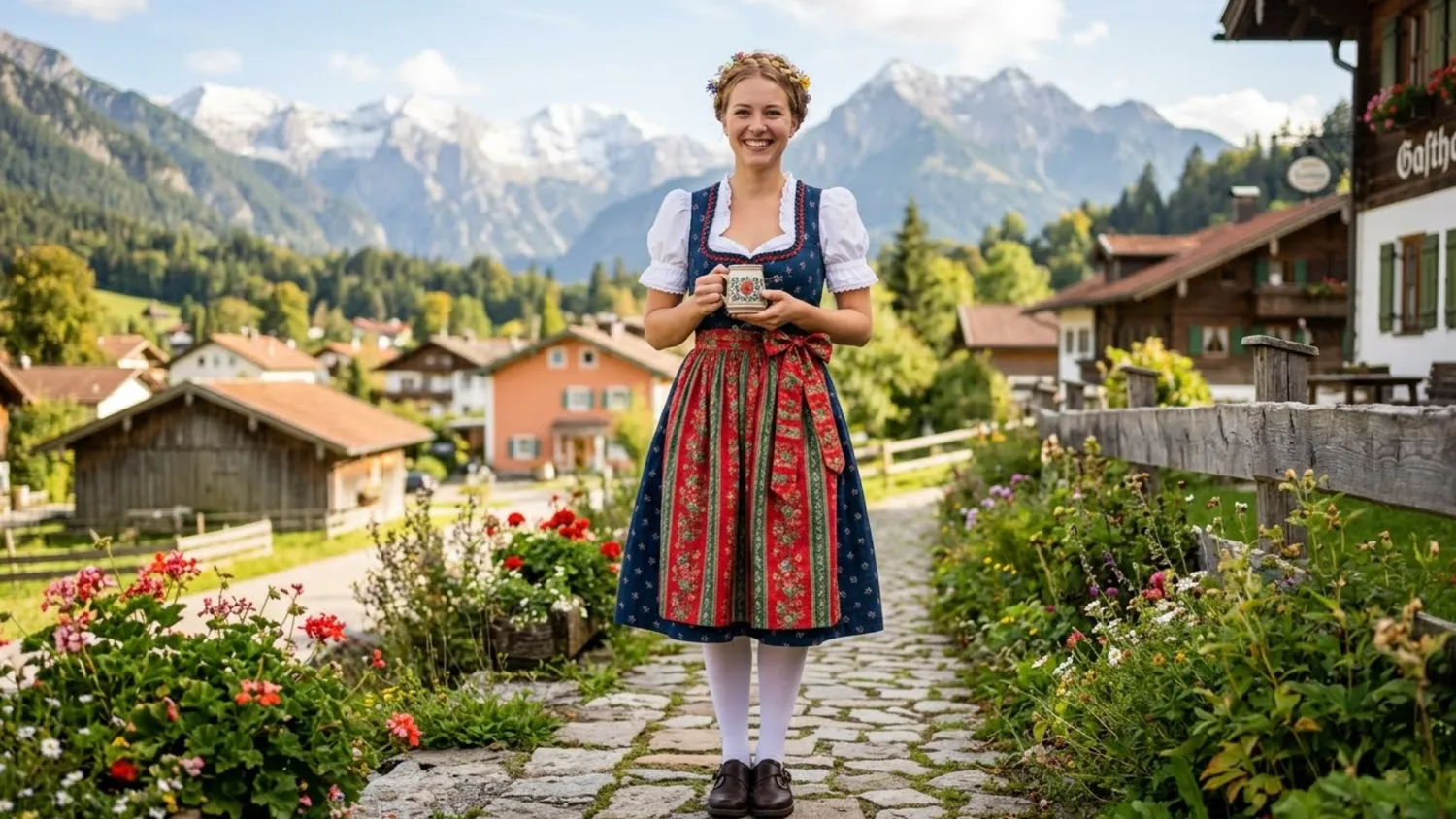
- The apron is a removable fabric layer tied tightly around the narrowest part of the waist that must sit slightly shorter than the skirt hem — and its bow placement carries the famous traditional meaning that communicates the wearer's relationship status to everyone around her.
Selecting the Right Length
Skirt length is one of the most important decisions in any dirndl purchase, and choosing the right option for your occasion immediately signals whether the look is authentically Tracht or simply costume-inspired.
- Midi dirndls at 60 to 70 centimeters hit right at or just below the knee and are highly recommended for beginners due to their versatile modern comfort profile that works equally well for Oktoberfest, casual festivals, and more traditional occasions.
- Maxi dirndls at 80 to 95 centimeters extend all the way to the ankles and represent the most traditional and formal option, preferred for weddings, heritage society events, and formal regional gatherings where the full ceremonial weight of the garment is most appropriate.
- Ultra-short thigh-length versions are widely viewed as cheap costumes rather than true regional Tracht and should be avoided at any occasion where genuine cultural authenticity and respect for Bavarian tradition are expected.
The Secret Meaning of the Apron Bow
The placement of the apron bow is a strict cultural code in Bavarian tradition — a quiet but widely understood social signal that every dirndl wearer should know before stepping out at any festival or traditional occasion.
- A bow tied on the left signals that the wearer is single and open to conversation, while a bow tied on the right signals that she is married, engaged, or in a committed relationship — the most fundamental element of this traditional communication system.
- A bow tied at the front center traditionally meant a virgin and today is mostly worn by children, while a bow tied at the back center indicates a widow or a waitress working the event.
- Understanding and following this tradition demonstrates genuine respect for the cultural heritage behind the dirndl and adds a meaningful interactive dimension to the experience of wearing it at any Bavarian festival.
Fit and Sizing Rules Every Buyer Should Know
A properly fitted dirndl should feel secure and supportive — almost like a soft corset — while still allowing comfortable breathing and free movement throughout a full day of festival wear.
- The bodice must fit entirely flush against the ribcage without gaps or bunching, lifting and supporting the chest dramatically in the way the garment was specifically designed to do.
- The waistline must sit squarely on the natural high waist — if it rides up or pinches painfully, size up immediately rather than trying to make the wrong size work through discomfort.
- European dirndl tailoring runs small compared to standard sizing, so always measure your bust and waist in centimeters and compare directly against the manufacturer's official size chart rather than guessing based on your usual dress size.
Material and Styling Choices
The right fabric and styling choices bring every dimension of an authentic dirndl look together into a complete and culturally considered outfit that honors the Alpine Tracht tradition from head to toe.
- Look for premium cotton, linen, or high-grade wool blends for a traditional breathable feel at festivals, and choose silk, velvet, or intricate lace detailing for elevated modern elegance at formal occasions — avoid shiny polyester or flimsy synthetic blends entirely.
- Complete the look with classic closed-toe Mary Janes, block-heeled pumps, or functional leather Chelsea boots for long days on your feet, and invest in a specialized balcony-style dirndl bra with wide-set straps and a push-up structure designed for the square or sweetheart necklines of authentic bodices.
- Keep accessories understated and culturally appropriate — a velvet ribbon choker, a delicate silver edelweiss pendant, or a small structured bag all add genuine Alpine character to the complete outfit without competing with the dress for visual attention.
Frequently Asked Questions
Q1: What are the three essential components of an authentic dirndl dress?
An authentic dirndl always consists of three separate pieces — the dress combining the bodice and skirt, the cropped blouse worn underneath, and the removable apron tied at the waist. Any dirndl sold as a single piece with a permanently attached apron is a costume imitation rather than genuine traditional Tracht.
Q2: What is the best dirndl length for a first-time buyer attending Oktoberfest?
The midi length at 60 to 70 centimeters is the most recommended choice for first-time buyers attending Oktoberfest, offering the ideal balance of cultural authenticity, practical comfort, and versatile styling that works equally well for festival tents, outdoor areas, and traditional ceremonies throughout the event.
Q3: How do I find the right dirndl size when buying online?
Measure your bust at its fullest point and your waist at its narrowest point in centimeters and compare directly against the brand's official size chart. European dirndl sizing runs small compared to standard dress sizing, so never assume your usual size will translate correctly — always measure first and size up when in doubt.
Q4: What does the apron bow placement communicate in Bavarian culture?
The apron bow placement is a traditional social signal — left means single, right means married or taken, front center means a young girl or traditionally a virgin, and back center means widowed or working as a waitress. This tradition is one of the most celebrated and widely recognized customs in all of Bavarian Tracht culture.
Q5: Where can I find an authentic dirndl dress for women with guaranteed quality?
Elederhosen offers a carefully curated collection of authentic dirndl dresses for women across all lengths, fabrics, and styles. Every piece in our collection is chosen to meet the genuine construction and cultural standards of real Alpine Tracht — so every woman who shops with us receives a dirndl worth wearing with genuine pride at any occasion.
Final Thought
Everything you need to know about buying a dirndl dress for women comes down to understanding the three essential components, choosing the right length and fabric for your occasion, getting the fit right through proper measurement, and styling the complete look with the cultural knowledge and genuine respect that this extraordinary garment deserves. At Elederhosen, we are proud to make that knowledge accessible to every woman who comes to us — because a dirndl chosen with genuine understanding is a dirndl worn with genuine pride.