Transporting a bike to another city requires proper preparation to ensure it reaches the destination safely and without unnecessary damage. Whether you are moving for work, relocating with your family, or sending your bike to a different location, taking a few precautions before handing it over to the transporter can make the entire process smoother. Professional bike transportation service providers also recommend preparing the vehicle in advance to reduce transportation risks.
1. Clean Your Bike Thoroughly
Before transportation, wash your bike properly and remove mud, dust, and grease from the body, wheels, and other visible parts. A clean bike makes it easier to identify existing scratches, dents, or other damage.
Take clear photographs of your bike from different angles after cleaning it. These photographs can serve as a useful reference when inspecting the bike after delivery.
2. Check the Fuel Level
One of the most important preparation steps is reducing the fuel in your bike's tank. Most transporters recommend keeping only a small amount of fuel or following their specific fuel-level instructions.
A nearly empty fuel tank makes transportation safer and reduces the risk of leakage. Always confirm the required fuel level with your bike transport service provider before handing over the vehicle.
3. Disconnect the Battery
If your bike will be transported over a long distance, consider disconnecting the battery if recommended by the transportation company. This helps prevent accidental battery drainage during transit.
For modern bikes with advanced electrical systems, it is better to let a professional handle battery disconnection rather than attempting it without proper knowledge.
4. Check the Tyre Pressure
Inspect the front and rear tyres before transportation. Proper tyre pressure helps protect the wheels and provides better stability when the bike is loaded onto a carrier.
Avoid making major adjustments without checking the manufacturer's recommended tyre pressure. Your transporter can also advise you on whether any adjustment is required for the particular transportation method.
5. Remove Personal Accessories
Before handing over your motorcycle, remove accessories and loose items that could get damaged or lost during transit. These may include:
Mobile holders
Saddlebags
Decorative items
GPS devices
Helmets
Extra locks
Other removable accessories
Removing these items makes bike relocation services safer and helps prevent unnecessary damage.
6. Check for Existing Damage
Inspect the bike carefully before transportation. Check the fuel tank, mirrors, indicators, headlights, mudguards, exhaust, tyres, and body panels.
Make a written note of existing scratches or dents and take photographs or videos as evidence. A proper condition report can help both the customer and transporter maintain transparency throughout the moving process.
7. Secure Loose Parts
Loose parts can become vulnerable during transportation. Check mirrors, number plates, accessories, and other components to ensure they are properly secured.
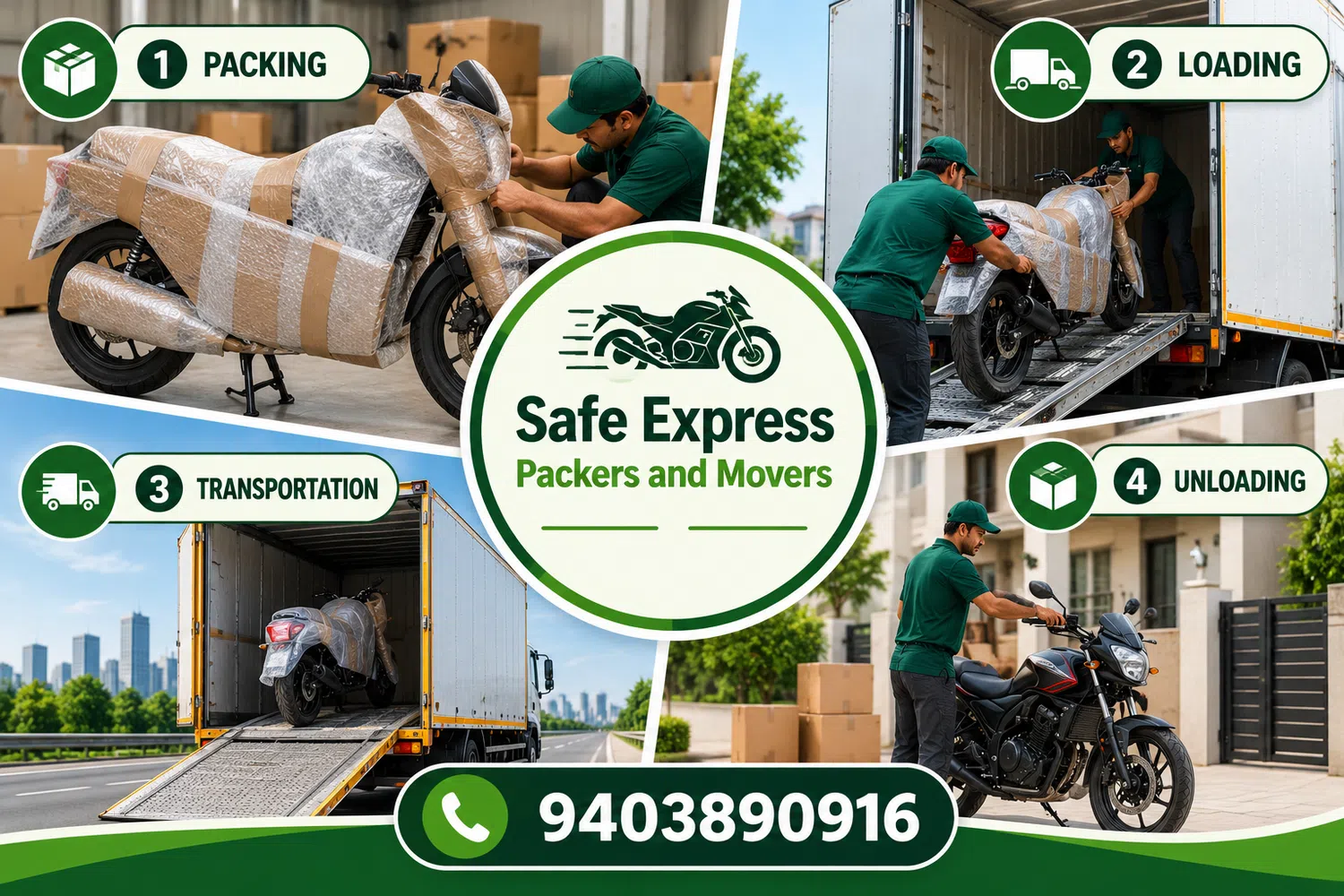
If any part needs special protection, inform the transportation team before loading. Professional motorcycle transportation services generally use appropriate packing and securing techniques to keep the bike stable during transit.
8. Keep Important Documents Ready
Prepare all documents required for transportation before the pickup date. Depending on the transportation company and destination, you may need documents such as:
Bike registration certificate
Insurance documents
Identity proof
Transportation booking documents
Delivery information
Keeping these documents ready can prevent delays and make the pickup process easier.
9. Lock the Bike Properly
Before loading, ensure that the bike is in good working condition and can be locked properly. Follow the transporter's instructions regarding the handlebar lock and other security measures.
A professional motorcycle transport service will use additional straps, supports, or protective materials to secure the bike during transit.
10. Choose the Right Transportation Method
Different transportation options may be available depending on the distance, budget, and type of bike. Open carriers, enclosed transportation, and specialized bike carriers may provide different levels of protection.
If you own a premium, vintage, or expensive motorcycle, discuss your requirements with the transporter and select an option that provides suitable protection.
11. Inspect the Bike at Delivery
When your bike arrives, do not immediately leave without checking its condition. Compare the vehicle with the photographs and condition report created before transportation.
Check the body panels, mirrors, tyres, lights, fuel tank, exhaust, and other important components. If you notice any issue, inform the transportation company immediately.
Final Thoughts
Preparing your bike properly before transportation can significantly reduce the chances of damage, delays, and unnecessary complications. From cleaning the vehicle and checking tyre pressure to removing accessories and documenting its condition, every small step contributes to safer relocation. Choosing an experienced bike transportation service can further ensure that your motorcycle is handled professionally from pickup to delivery. For dependable and secure vehicle relocation, Safe express packers and movers can be considered for professional transportation assistance.