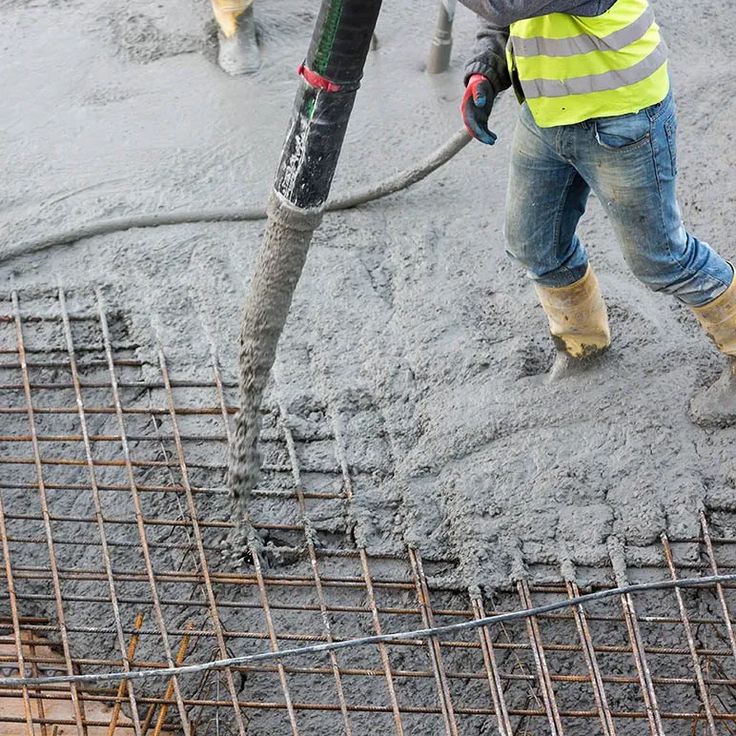
A strong foundation is one of the most important elements of any construction project. Whether building a residential home, commercial property, patio, driveway, or other structure, the foundation provides the support necessary to ensure stability and longevity. The image above illustrates a critical stage of construction where fresh concrete is being poured over a steel reinforcement grid. This process creates reinforced concrete, a highly durable building material known for its strength and reliability.
Understanding how reinforced concrete foundations work can help property owners appreciate the importance of proper construction practices and quality workmanship. From site preparation to curing, every step contributes to the overall performance and lifespan of the finished structure.
What Is Reinforced Concrete?
Reinforced concrete combines traditional concrete with steel reinforcement materials, commonly known as rebar. While concrete performs exceptionally well under compression, it is less effective at handling tension forces. Steel reinforcement helps overcome this limitation by providing additional strength and flexibility.
How Reinforcement Improves Performance
The steel framework embedded within the concrete helps distribute loads more evenly throughout the structure. This reduces the likelihood of cracking, shifting, and structural failure. Reinforced concrete is commonly used for foundations, slabs, retaining walls, bridges, and many other construction applications because of its ability to withstand heavy loads and environmental stress.
Why Proper Concrete Placement Matters
Pouring concrete may appear simple, but proper placement requires skill, planning, and attention to detail. Incorrect placement can lead to weak spots, uneven surfaces, and long-term structural problems.
Ensuring Even Distribution
Contractors must carefully place concrete so it fully surrounds the reinforcement materials and fills all areas of the formwork. Even distribution helps eliminate air pockets and voids that can weaken the finished structure.
Maintaining Structural Integrity
Proper placement ensures the concrete cures as a unified mass. This creates a strong, durable foundation capable of supporting the intended load without unnecessary stress or movement.
The Importance of Site Preparation
Before concrete is poured, thorough site preparation is necessary to create a stable base.
Ground Evaluation
Contractors assess soil conditions to determine whether additional stabilization measures are required. Weak or unstable soil can compromise foundation performance over time.
Grading and Drainage
Proper grading helps direct water away from the structure. Effective drainage reduces the risk of erosion, soil movement, and moisture-related foundation issues.
Reinforcement Installation
Steel reinforcement is strategically positioned throughout the project area before concrete placement begins. Proper spacing and placement maximize strength and structural support.
Benefits of Reinforced Concrete Foundations
Reinforced concrete foundations offer several advantages that make them a preferred choice for both residential and commercial projects.
Exceptional Durability
Concrete foundations can withstand years of exposure to weather, moisture, and daily use when installed correctly. Their durability helps reduce maintenance requirements and long-term repair costs.
Increased Load-Bearing Capacity
The combination of concrete and steel reinforcement creates a foundation capable of supporting substantial weight. This makes reinforced concrete suitable for a wide range of construction applications.
Improved Resistance to Cracking
Steel reinforcement helps control cracking caused by temperature changes, soil movement, and structural loads. This contributes to better long-term performance and appearance.
Long-Term Value
A properly constructed foundation adds value to a property by providing a stable base that supports the integrity of the entire structure.
The Role of Concrete Curing
After placement, concrete must be allowed to cure properly. Curing is the process through which concrete gains strength as moisture and chemical reactions continue within the material.
Why Curing Is Important
Proper curing helps prevent premature drying, surface cracking, and strength loss. Contractors often use specific techniques to maintain adequate moisture levels during this period.
Achieving Maximum Strength
Concrete continues gaining strength for weeks after placement. Proper curing ensures the material reaches its intended performance level and remains durable for years to come.
Common Applications for Reinforced Concrete
Reinforced concrete is widely used in construction due to its versatility and strength.
Residential Foundations
Homes rely on reinforced foundations to provide stability and support for the entire structure.
Driveways and Patios
Concrete driveways and patios benefit from reinforcement because they experience regular vehicle and foot traffic.
Commercial Construction
Commercial buildings often require reinforced concrete foundations capable of supporting heavier structural loads.
Retaining Walls and Structural Features
Reinforced concrete is frequently used in retaining walls and other structural elements that require additional strength and stability.
Conclusion
Reinforced concrete foundations remain one of the most dependable solutions in modern construction. By combining concrete with steel reinforcement, contractors create structures capable of handling heavy loads, resisting cracking, and maintaining long-term stability. Proper site preparation, concrete placement, reinforcement installation, and curing all contribute to the overall success of a project.
Whether constructing a new home, commercial building, driveway, or outdoor living space, investing in professional concrete installation helps ensure lasting performance and structural integrity. A well-built reinforced concrete foundation provides the strength, durability, and reliability necessary to support a structure for many years to come.
For more information to visit: https://sacramentoconcretecontractors.com/ or Visit Google Map: https://maps.app.goo.gl/Ay241UqQCGR3C5Ji6