In Sacramento’s climate — with hot, dry summers and occasional winter rains — asphalt pavement faces constant stress from sun, water intrusion, and temperature fluctuations. Without proactive care, your driveway or parking lot can degrade quickly. That’s where asphalt sealing comes in: it acts like a shield, preserving your surface from the elements, halting small damage before it becomes costly, and restoring the appearance of your pavement.
For homeowners, property managers, and business owners alike, sealing isn’t just cosmetic — it’s a cost-effective preventive maintenance strategy. In this article, we’ll walk through what asphalt sealing is, the benefits it brings, how the process works, best timing in Sacramento, common mistakes to avoid, and tips for maintenance.
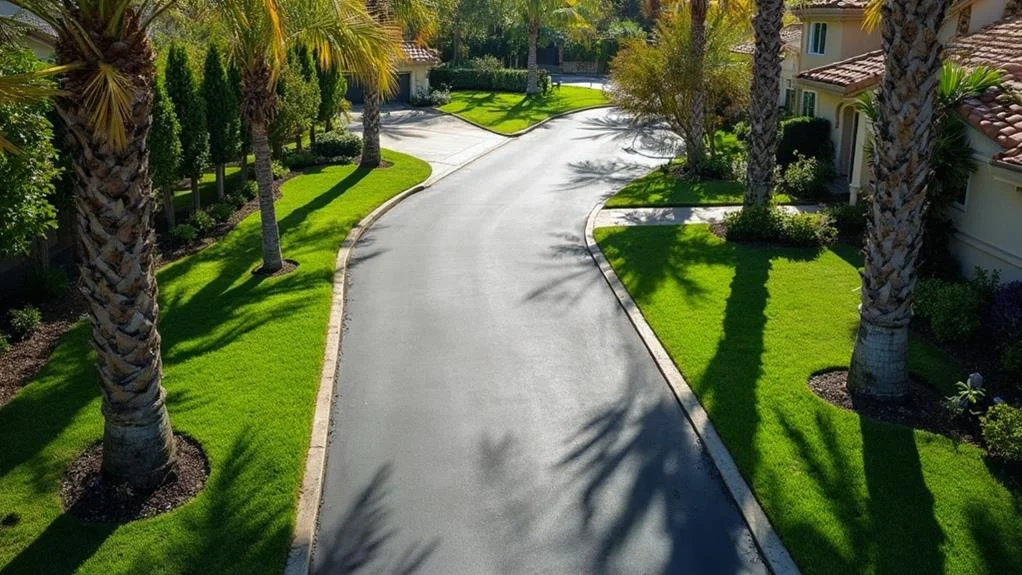
What Is Asphalt Sealing?
Asphalt sealing (also called “sealcoating”) refers to applying a protective liquid layer over existing asphalt surfaces. The sealant usually contains asphalt emulsions, blends, or coal tar products that fill pores, block oxygen and water, and help the surface resist damage.
This protective coat helps shield the asphalt binder from oxidation, UV rays, chemical exposure (oil, gasoline), and surface wear. Over time, unprotected asphalt gets brittle, cracks, and allows moisture to reach deeper layers.
In Sacramento, where sunlight is intense and dry spells are common, sealing is especially beneficial to slow down the degradation from UV and oxidation.
Key Benefits of Asphalt Sealing
1. Extends Pavement Lifespan
Sealing slows down the aging of asphalt. It helps prevent small cracks from developing into major structural failures.
2. Enhances Visual Appeal
A fresh seal revives the dark, uniform color of asphalt, improving curb appeal and property value.
3. Protects Against Weather & Moisture
Sealing blocks water infiltration, a key factor in pavement degradation.
4. Reduces Maintenance Costs
Regular sealing prevents expensive repairs later. A small crack repaired early costs far less than full replacement.
5. Improves Safety & Durability
A sealed surface is smoother, more skid-resistant, and holds up better under vehicle use.
How Asphalt Sealing Works: Step-by-Step Process
1. Inspection & Assessment
Surfaces are inspected for cracks, potholes, and signs of structural failure. If underlying asphalt is compromised, sealing alone won’t suffice.
2. Surface Cleaning
Debris, oil stains, and vegetation are removed. Pressure washing is often used to ensure adhesion.
3. Crack Repair & Patch Work
Cracks and holes are filled with sealants or patching materials before sealing.
4. Mixing & Preparing Sealant
Sealants are mixed to proper consistency, sometimes with additives like sand for durability.
5. Application
Sealant is applied evenly in one or more coats using squeegees or sprayers.
6. Curing / Drying
Surfaces must cure for 24–48 hours, depending on conditions. No traffic is allowed during this period.
7. Final Inspection & Maintenance
A final check ensures uniform coverage. Routine maintenance follows to preserve results.
Optimal Timing & Frequency in Sacramento
Best Season & Conditions
Late spring through early fall is ideal for sealcoating in Sacramento. Dry conditions and temperatures above 50°F ensure proper curing.
How Often Should You Seal?
Every 2–3 years is typical, though frequency can vary based on use and exposure. Heavy-traffic areas may require sealing every 18–24 months.
When to Seal New Asphalt
New asphalt must cure for at least 30 to 90 days before sealing. Sealing too early can cause peeling and reduce effectiveness.
Common Mistakes & Pitfalls (and How to Avoid Them)
1. Insufficient Surface Cleaning
Debris or oil prevents proper bonding. Clean thoroughly and allow surface to dry.
2. Ignoring Cracks & Damage
Always repair cracks before sealing. Sealing over damage leads to premature failure.
3. Applying in Poor Weather
Moisture, cold, or heat extremes ruin adhesion. Monitor forecasts before application.
4. Overthick or Uneven Application
Thick layers don’t cure well and may peel. Apply thin, even coats.
5. Skipping Quality Control
Final inspections help identify thin spots or missed areas before the sealant fully cures.
6. Using Low-Quality Sealants
Inferior materials degrade quickly. Use professional-grade products suited to local conditions.
Why Hire Professionals (Rather than DIY)?
1. Experience & Skill
Professionals know how to prep and apply sealant correctly under varying conditions.
2. Commercial Equipment
Experts use high-grade sprayers, mixers, and application tools for consistent results.
3. Material Quality
Access to industrial sealants ensures greater longevity and protection.
4. Warranty & Insurance
Reputable contractors offer guarantees and are insured against potential damage.
5. Time & Efficiency
What takes a homeowner days can be completed quickly by an experienced crew.
Maintenance Tips After Sealing
- Wait 24–48 hours before walking or driving on sealed surfaces.
- Clean gently with low-pressure water to avoid damage.
- Wipe up oil, fuel, or chemical spills quickly.
- Repair new cracks early.
- Inspect annually for wear.
- Reseal every 2–3 years or as needed.
Frequently Asked Questions (FAQ)
Q: Is asphalt sealing just for driveways?
A: No. It's also beneficial for parking lots, roads, and other paved areas.
Q: How soon after sealing can I use the surface?
A: Typically 24 to 48 hours, depending on weather and product used.
Q: Does sealing fix cracks and potholes?
A: No. Repairs must be made before sealing to ensure long-term success.
Q: What does sealing typically cost?
A: Prices vary by size and condition. On average, expect $0.10 to $0.25 per square foot.
Q: Can I seal over cracked asphalt?
A: Cracks should be filled before sealing. Skipping this step leads to poor results.
Q: What’s the difference between sealing and resurfacing?
A: Sealing is a surface treatment. Resurfacing involves adding new asphalt layers.
Conclusion
In Sacramento’s challenging climate, asphalt sealing is an essential maintenance step. It extends pavement life, prevents expensive repairs, and maintains a clean, professional appearance. With the right process, timing, and materials, sealcoating delivers long-term value.
Consider working with local professionals who understand Sacramento's conditions. Their expertise ensures the job is done right—saving you time, money, and stress.
for more information to visit our site: https://sacramentoasphaltsealing.com/
or visit our Map: https://maps.app.goo.gl/Gn5W1eijNVivVp8W6