Handloom carpet weaving is not only an art—it's a living tradition that respects centuries of heritage and imagination. At Marwar Carpets, our passion for cultural heritage is the core of our business. Our vast experience in the rug manufacturing process guides every aspect of our craft, blending traditional methods with modern innovations to create works that are as rich in history as they are in beauty.
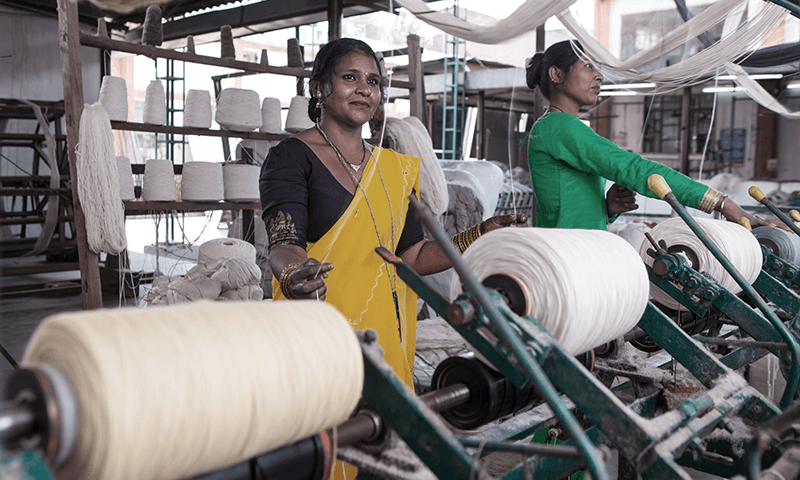
A Journey Through Tradition
Carpet weaving is a heritage that has been passed down through the ages. It links us to our heritage and tells the story of our past. In these times when technology runs ahead, we at Marwar Carpets are dedicated to retaining this heritage. We seek to make every handloom carpet not only a functional piece but a piece of art that reflects the heritage of our forefathers.
Aspects of Traditional Carpet Production
- Skill and Expertise: Every carpet is the result of meticulous craftsmanship, honed over decades by expert craftsmen. Delicate patterns and vibrant colours are created possible by skills honed over generations.
- Cultural Narratives: Each pattern has a story to tell. Whether a motif represents prosperity or a pattern derived from nature, each of these contributes to our cultural narrative.
- Sustainable Practices: Our hand weaving is inherently sustainable. With natural fibres and eco-friendly dyes, our methods show respect for the environment and heritage.
- Community Focus: The craft is highly community-focused in that artisans are based locally where they work collaboratively, traditionally passing down skills from generation to generation.
Modern Adaptations in Handloom Carpet Production
While the old method of producing carpets continues to be the same, we have new dimensions in our art because of technological advancements. We at Marwar Carpets have blended technology with our traditional skills in a way that has helped us not lose the soul of our art but gain quality and efficiency to it.
Technological Enhancements
- Quality Control Systems: The use of digital instruments ensures monitoring of the fibres' and dyes' quality for uniformity without modifying the genuine appearance and feel of each carpet.
- Efficient Production Techniques: Our master weavers concentrate on the artistic subtleties characteristic of an authentically extraordinary carpet as mechanised technology addresses the less-than-critical process functions.
- Design Innovations: Computer programs assist in the visualisation of patterns and experimentation with new designs without losing the age-old motifs that define our identity.
Celebrating the Artisans
At the heart of our business are the passionate hands that bring our visions to reality. We closely collaborate with artisans in Panipat, a city of weavers—a community that is famous for its unparalleled skill in handloom carpet weaving. Their hands are the pulse of our production, infusing each piece with the heritage of a time-tested tradition.
The Rug Manufacturing Process: Bridging Old and New
Our rug manufacturing process is a fusion of modern methods and age-old techniques. Not only does this method make our carpets stronger and more attractive, but it also maintains the essence of artisanship that comes with our work.
Stages of the Rug Manufacturing Process
- Sourcing Raw Materials: We start by meticulously choosing the best quality natural fibres. These are selected based on the durability and rich texture that they give to the final product.
- Dyeing: Natural dyes are utilised to give each carpet rich, deep colours. These are hand-dyed, thus guaranteeing that each colour is in its original cultural sense.
- Weaving: This is the most labour-intensive production stage. Our master weavers weave on handlooms, skilfully weaving patterns passed down from generation to generation. Their deft fingers transform plain threads into beautiful designs that tell of heritage and beauty.
- Finishing: Once woven, each carpet undergoes a finishing process that contributes to its texture and durability. This includes trimming, washing, and any other embellishments that make the carpet functional and presentable.
- Quality Assurance: Our quality assurance team thoroughly examines each piece to guarantee that it complies with our strict standards. Only the carpets that survive this stringent test are permitted to represent the wealth of our heritage.
Preserving Cultural Heritage Through Innovation
Innovation is the way forward to making crafts relevant in an ever-changing world. Our ideology at Marwar Carpets is to embrace new ideas while holding on to the integrity of our craft. Merging modern practices with tested and proven techniques, we have formulated a unique process that honours the past and future.
How Innovation Enhances Cultural Preservation
- Increased Longevity: Modern treatments improve the durability of our carpets, allowing them to be enjoyed for generations without losing their beauty.
- Wider Reach: Through improved production methods, we can spread our heritage to the entire world. Not only does it promote our heritage but also local communities by creating sustainable employment.
- Continuous Learning: Our firm constantly seeks out new approaches and technologies that can be utilised in our art. This commitment to continuous development ensures that our traditions are alive and changing in a modern context.
Final Thoughts
Preservation of cultural heritage in the name of handloom carpet weaving is a journey of passion, innovation, and respect for heritage. For us at Marwar Carpets, every carpet is not merely a decorative piece of fabric—it is a fragment from the past, a piece of art that demands craftsmanship, and a symbol of our common heritage. By blending age-old skills with modern innovations, we make our heritage thrive in today's time.
Each handloom carpet we create is a witness to the timelessness of the beauty of our cultural heritage. A reminder that no matter what time, the art of creating something absolutely beautiful never goes out of fashion. Join us to honour our glorious tradition of craftsmanship and the vibrant future ahead of us.