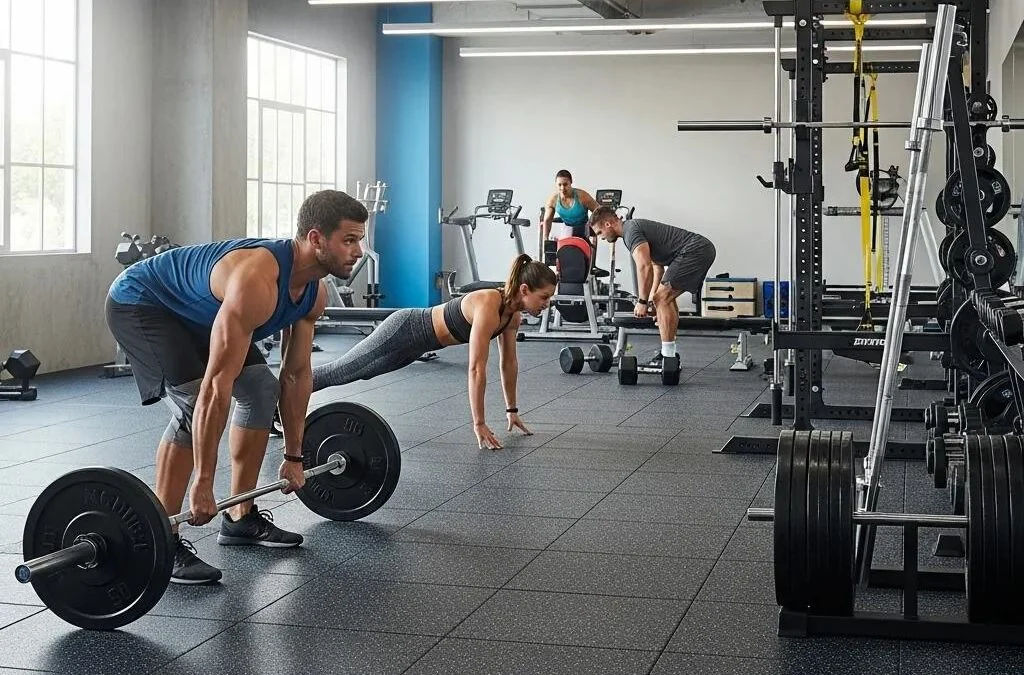
Walk into any serious workout space, and you’ll notice one thing right away—it’s not just the equipment that stands out, it’s the floor beneath it. That solid, reliable surface plays a bigger role than most people realize. Good gym flooring isn’t just about looks; it’s about safety, performance, and protecting both your body and your equipment.
I still remember setting up a small workout corner at home. I thought dumbbells and a bench were enough. But the moment weights started hitting the floor, I realized something was missing. That’s when gym flooring became a necessity, not an option.
Why Gym Flooring Is Important
Let’s start with a simple truth—working out puts stress on your body, and the surface you train on matters. Hard floors like concrete or tiles don’t absorb impact. Over time, that can lead to joint pain or even injuries.
Gym flooring acts like a shock absorber. It reduces impact, improves grip, and creates a safer workout environment. Whether you’re lifting weights, doing cardio, or practicing yoga, proper gym flooring makes every movement feel more controlled and secure.
What Is Gym Flooring
Gym flooring refers to specially designed flooring materials used in workout spaces to enhance safety and performance. These surfaces are built to handle heavy equipment, constant movement, and repeated impact.
Purpose and Function
The main purpose of gym flooring is to provide a stable yet cushioned surface. It protects your joints from excessive stress while also safeguarding the underlying floor from damage.
It’s like having a silent partner during your workout—always there, supporting every step, jump, and lift.
Key Benefits
There are several reasons why gym flooring is essential. It reduces noise, prevents slips, and improves overall comfort. It also extends the life of your equipment by minimizing direct contact with hard surfaces.
In short, gym flooring creates an environment where you can focus on your workout without distractions or risks.
Types of Gym Flooring
Not all gym flooring is the same. Different types are designed for different workout needs.
Rubber Gym Flooring
Rubber gym flooring is one of the most popular choices. It’s tough, durable, and built to handle heavy weights.
This type of gym flooring is perfect for weightlifting areas because it absorbs impact and protects both the floor and equipment.
Foam Gym Flooring
Foam gym flooring is softer and more lightweight. It’s commonly used for activities like yoga, stretching, or light workouts.
If comfort is your priority, foam mats provide a gentle surface that’s easy on the body.
Vinyl Gym Flooring
Vinyl gym flooring offers a balance between durability and style. It’s often used in fitness studios or multipurpose workout areas.
It’s easy to clean, visually appealing, and versatile enough for different types of exercises.
Features to Look for in Gym Flooring
Choosing the right gym flooring isn’t just about picking a material. You need to consider features that affect performance and safety.
Shock Absorption
One of the most important features of gym flooring is shock absorption. It reduces the impact on your joints during high-intensity workouts.
This is especially important for activities like jumping or weightlifting.
Slip Resistance
Sweat, movement, and equipment can make surfaces slippery. Good gym flooring provides enough grip to keep you stable.
This helps prevent accidents and ensures a safer workout experience.
Durability
Gym flooring needs to handle a lot—heavy weights, constant foot traffic, and repeated impact.
High-quality materials ensure that your flooring lasts longer without losing its performance.
Thickness Options
Thickness plays a key role in how effective gym flooring is. Thicker mats provide better shock absorption, while thinner ones are suitable for lighter activities.
Choosing the right thickness depends on how you plan to use your space.
Best Areas to Install Gym Flooring
Gym flooring isn’t limited to commercial gyms. It can be used in home gyms, garages, fitness studios, and even outdoor workout areas.
Weightlifting zones benefit from thicker, more durable flooring. Cardio areas require surfaces with good grip, while yoga spaces need softer mats.
The key is to match the flooring to your activity.
Installation Tips for Gym Flooring
Installing gym flooring doesn’t have to be complicated, but preparation is important.
Start by cleaning the surface thoroughly. Make sure it’s dry and level. For interlocking mats, ensure they fit tightly together.
Taking your time during installation ensures better performance and a longer lifespan.
Maintenance and Cleaning Tips
Keeping your gym flooring clean is essential for hygiene and durability.
Regularly wipe down the surface to remove sweat and dirt. Use mild cleaning solutions to avoid damaging the material.
Proper maintenance keeps your gym flooring looking good and performing well for years.
Common Mistakes to Avoid
One common mistake is choosing the wrong type of gym flooring for your needs. For example, using thin mats in a weightlifting area can lead to damage.
Another mistake is ignoring quality. Cheap flooring might save money initially, but it often wears out quickly.
Lastly, don’t overlook installation. Poor setup can reduce the effectiveness of even the best gym flooring.
Conclusion
At the end of the day, your workout space should support you—not hold you back. That’s exactly what the right gym flooring does. It adds comfort, improves safety, and enhances your overall performance.
Whether you’re building a home gym or upgrading a professional space, investing in quality gym flooring is one of the smartest decisions you can make. Once it’s in place, every workout feels better, stronger, and more controlled—and that’s a difference you’ll notice every single day.